Why Professional Leak Detection
Hidden water leaks can cost you thousands. Learn how professional leak detection in Bullhead City, AZ finds problems fast & saves your home from expensive damage.

Introduction
Imagine walking into your kitchen one morning and noticing that the floor feels slightly spongy under your feet. You look around but see nothing obvious—no puddles, no dripping faucet. You shrug it off and go about your day.
A month later, your water bill arrives and it's nearly double what it usually is. You're confused. You haven't changed your water usage habits. A few weeks after that, you notice a musty smell in your living room. Then you see it—a brown stain spreading across your ceiling.
This scenario plays out in homes across Bullhead City every single day. Hidden water leaks are one of the most insidious and expensive problems a homeowner can face. They develop slowly, often without any visible signs, and by the time you notice the damage, the cost of repairs has skyrocketed.
A pinhole leak in a pressurized pipe can waste hundreds of gallons of water per day—that's thousands of gallons a month, all of it adding to your water bill and potentially destroying your home's structure. The water seeps into wood framing, rots floor joists, weakens drywall, and creates the perfect environment for toxic mold growth.
Professional leak detection is your best defense against this silent threat. Using advanced technology, trained plumbers can locate the exact source of a hidden leak without tearing apart your home. This precision saves you money on repairs, prevents unnecessary damage, and protects your property from the devastating effects of prolonged water exposure.
In this comprehensive guide, we'll explain how hidden leaks develop, the warning signs you should never ignore, how professional leak detection works, and why investing in this service can save you thousands of dollars in the long run.
What Is Professional Leak Detection?
Professional leak detection is a specialized plumbing service that uses advanced, non-invasive technology to locate the exact source of a water leak within your plumbing system. Unlike the old-fashioned method of tearing open walls and digging up floors to find a leak, modern leak detection allows plumbers to pinpoint the problem with remarkable accuracy, minimizing damage to your property.
Definition and Scope
Think of professional leak detection as a medical scan for your home's plumbing system. Just as a doctor uses an MRI or CT scan to diagnose a problem without surgery, a plumber uses specialized equipment to see inside your pipes and locate the exact point of failure. The goal is to find the leak with minimal disruption to your home.
Common Situations Where Leak Detection Is Essential
-
Slab Leaks: For homes built on concrete slabs, pipes can corrode where they run through or beneath the concrete. This causes water to leak directly into the soil under your home, potentially damaging your foundation without any visible signs indoors.
-
Leaks Behind Walls: A leak inside a wall can saturate drywall, insulation, and wooden studs. You might see slight discoloration or bubbling paint, or you may simply smell a mysterious musty odor.
-
Underground Leaks: These can occur in the service line between the water meter in your yard and your home or in irrigation systems. They are nearly impossible to find without proper equipment.
-
Ceiling Leaks: Water can travel along joists and beams before dripping through your ceiling, meaning the stain may be far from the actual leak source.
-
High Water Bills with No Visible Cause: When your water bill spikes inexplicably, leak detection can confirm whether you have a leak and locate its source.
Symptoms That Suggest a Hidden Leak
Your home often provides subtle clues before a leak becomes a major disaster. If you notice any of these symptoms, it's time to call a professional.
-
The sound of running water when all taps are off
-
Unexplained high water bills
-
Mold or mildew growth
-
Musty odors
-
Warm spots on floors (indicating a hot water leak)
-
Cracks in your foundation or walls
-
Soggy or sunken areas in your yard
-
Sudden drop in water pressure
Why Does This Plumbing Problem Happen?
Understanding why hidden leaks occur helps you appreciate the value of professional detection and prevention.
Most Common Causes of Hidden Leaks
-
Aging Pipes: Just like any other component of your home, pipes have a lifespan. As they age, they weaken, corrode, and develop pinhole leaks. This is especially common in homes built before 1980.
-
Corrosion: The chemical composition of your water, combined with the minerals in hard water, can accelerate the corrosion of metal pipes. This creates weak spots that eventually fail.
-
Hard Water: Bullhead City and the surrounding Mohave County area have some of the hardest water in the country. The minerals in hard water—calcium and magnesium—can build up inside pipes, causing uneven corrosion and eventually leading to leaks.
-
High Water Pressure: If your home's water pressure exceeds 60 PSI, it places constant stress on your entire plumbing system. Over time, this can cause joints to fail and pipes to develop pinhole leaks.
-
Tree Roots: Tree roots are naturally drawn to moisture. They can infiltrate even the smallest cracks in your underground pipes. As they grow, they expand the crack, causing significant leaks and blockages.
-
Improper Installation: Pipes that weren't properly connected, supported, or sealed are more likely to fail prematurely.
-
Poor Maintenance: Failing to address small issues, like a dripping faucet or a slow drain, can lead to more significant problems down the line.
-
Seasonal Weather Changes: The expansion and contraction of pipes and soil due to temperature changes can stress pipe materials, especially in older homes.
-
Shifting Soil: In our desert environment, soil can shift significantly, putting pressure on underground pipes.
Signs You Should Never Ignore
These warning signs are your home's way of telling you something is wrong. Don't dismiss them.
-
High Water Bills: If your water usage hasn't changed but your bill has increased by 20% or more, you likely have a leak. This is often the first and most reliable indicator.
-
The Sound of Running Water: If you can hear water running through your walls or under your floors when no fixtures are in use, water is escaping your system somewhere.
-
Water Stains: Brown or yellow stains on ceilings, walls, or floors are evidence of water intrusion. The stain may not be directly below the leak; water can travel significantly before it becomes visible.
-
Damp or Soft Walls: A wall that feels damp, spongy, or has bubbling paint is actively leaking.
-
Musty Odors: A persistent musty smell is a sign of mold or mildew growth, which requires moisture to thrive. This is a significant health hazard.
-
Mold or Mildew Growth: Visible mold is a clear indicator of ongoing moisture problems.
-
Warm Spots on Floors: If you have a hot water leak under your slab, you may notice warm spots on your floor.
-
Cracks in Foundation or Walls: Water leaking underground can wash away soil, causing your foundation to settle and crack.
-
Soggy or Sunken Areas in Yard: These can indicate a leak in your underground service line or irrigation system.
-
Low Water Pressure: A sudden drop in water pressure can indicate a significant leak.
Common Plumbing Problems Related to Hidden Leaks
Hidden leaks are often interconnected with other plumbing issues. Understanding these connections can help you address the root cause.
-
Pipe Leaks: A pinhole leak can gradually grow into a larger failure if not addressed.
-
Slab Leaks: Leaking pipes under your foundation can cause structural damage.
-
Sewer Line Leaks: A cracked sewer line can leak wastewater into the soil, creating health hazards and attracting tree roots.
-
Water Heater Failures: Corrosion and hard water scale can cause your water heater to leak or fail.
-
Burst Pipes: A small leak can weaken a pipe, leading to a catastrophic burst.
-
Fixture Damage: Water damage can ruin sinks, toilets, and other plumbing fixtures.
-
Mold Growth: This is one of the most expensive and dangerous consequences of hidden leaks.
Step-by-Step Professional Leak Detection Process
A licensed plumber follows a systematic approach to detect and repair hidden leaks. Here's what you can typically expect.
-
Step 1: Initial Consultation: The plumber will discuss your water bill, the symptoms you've observed (musty smells, stains, etc.), and any history of plumbing problems.
-
Step 2: Visual Inspection: A thorough visual inspection of your home, including visible pipes, fixtures, and potential problem areas.
-
Step 3: Advanced Diagnostics: Using state-of-the-art equipment to pinpoint the leak. This may include:
-
Acoustic listening devices to hear the sound of escaping water
-
Thermal imaging cameras to detect temperature variations
-
Tracer gas to locate leaks through non-toxic gas
-
Video camera inspection to see inside pipes
-
Pressure testing to confirm the location
-
-
Step 4: Accurate Diagnosis: Once the equipment has been used, the plumber can tell you the exact location of the leak and the likely cause.
-
Step 5: Written Estimate: Before any repair work begins, you'll receive a clear, detailed estimate for the necessary repairs.
-
Step 6: Targeted Repair: The plumber performs the repair, which is usually a small, localized fix—not a whole-house demolition.
-
Step 7: Testing and Verification: The line is tested to ensure the leak is fixed and pressure is restored.
-
Step 8: Cleanup and Maintenance Advice: The work area is cleaned up. You'll also receive guidance on how to prevent similar issues in the future.
Can You Fix It Yourself?
When it comes to hidden leaks, your ability to fix the problem yourself is extremely limited. However, you can take some important steps to investigate and protect your home.
Safe DIY Solutions for Investigation
-
The Water Meter Test: This is the most reliable DIY method to confirm you have a leak.
-
Turn off all water-using fixtures and appliances.
-
Locate your water meter in the yard.
-
Check the leak indicator (a small dial or triangle). If it's moving, you have a leak.
-
Note the reading, wait 1-2 hours without using water, and check it again. If it's changed, you have a leak.
-
-
Check Visible Pipes: Inspect pipes in basements, crawlspaces, and under sinks for visible moisture or corrosion.
-
Monitor Your Water Bill: A month-over-month increase is often the first sign of a leak.
When DIY Becomes Dangerous
-
Attempting to Dig Up a Pipe: This requires specialized equipment and can damage other utilities.
-
Using Sealant or Epoxy: These products are temporary at best and can cause blockages.
-
Not Addressing the Root Cause: If you don't know why the leak occurred, it will happen again.
-
Ignoring Electrical Hazards: Water and electricity don't mix. Never work on plumbing near electrical components.
When Professional Leak Detection Is Necessary
Always call a professional for:
-
Any hidden leak: If you can't see it, you need professional tools to find it.
-
Leaks under concrete slabs: This is dangerous and complex work.
-
Leaks that you suspect are in the main line or service line: These are underground and require professional tools.
-
Leaks behind walls: Finding and repairing these requires specialized skills.
-
If you've done the water meter test and confirmed a leak: You need to find its source.
Tools Professionals Use
Licensed plumbers use a range of sophisticated tools to find hidden leaks. These tools are what make professional leak detection so effective and minimally invasive.
-
Acoustic Listening Devices: These are the most common tools. They use highly sensitive microphones to "listen" for the distinct sound of water escaping from a pressurized pipe. These devices are so sensitive they can hear leaks through concrete and thick soil.
-
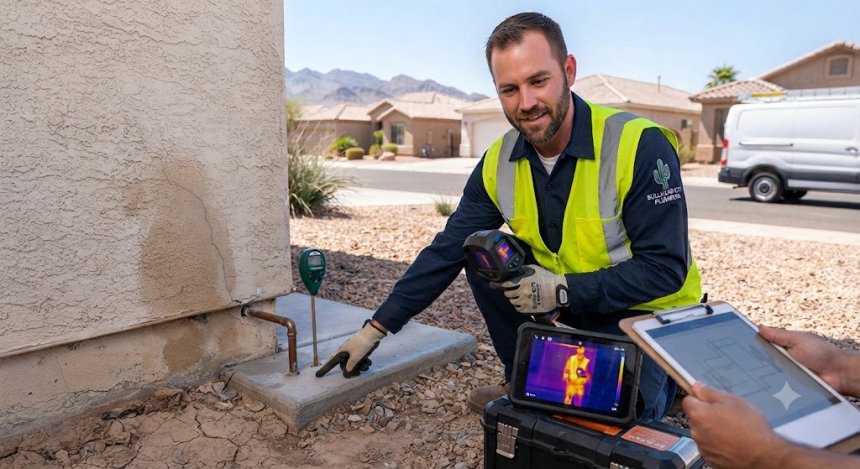
Thermal Imaging Cameras: These detect temperature variations behind walls and under floors. Water evaporating from a leak cools the surface, creating a thermal signature that shows up on the camera.
-
Tracer Gas Leak Detection: This involves injecting a harmless, non-toxic gas (like hydrogen) into the water line. The gas escapes through the leak, and a sensor above ground can trace the gas to the exact point of the leak.
-
Pipe Locators: These use radio frequencies to trace the path of metal pipes, helping the plumber map out the route and confirm the location of the leak.
-
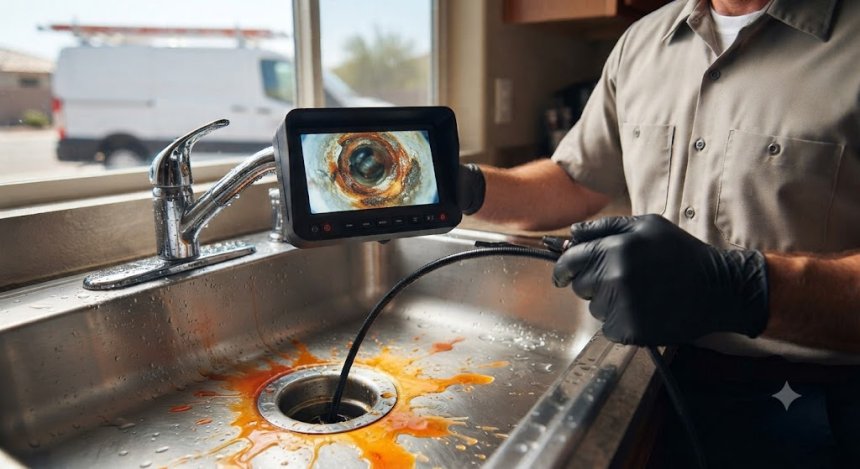
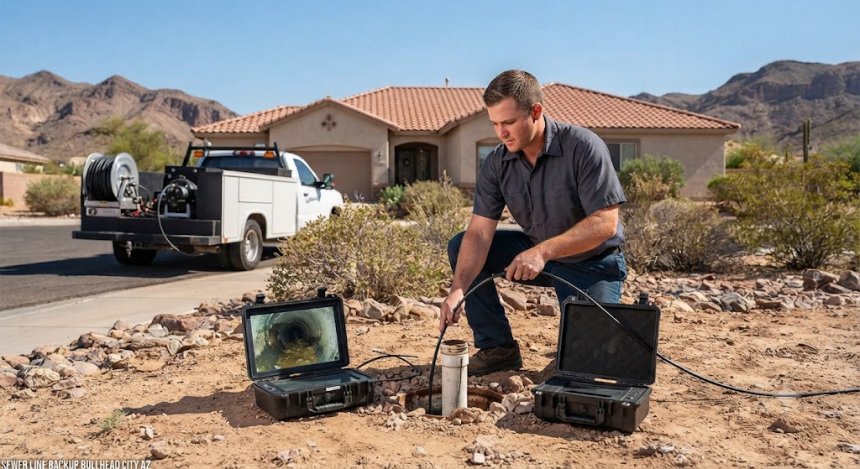
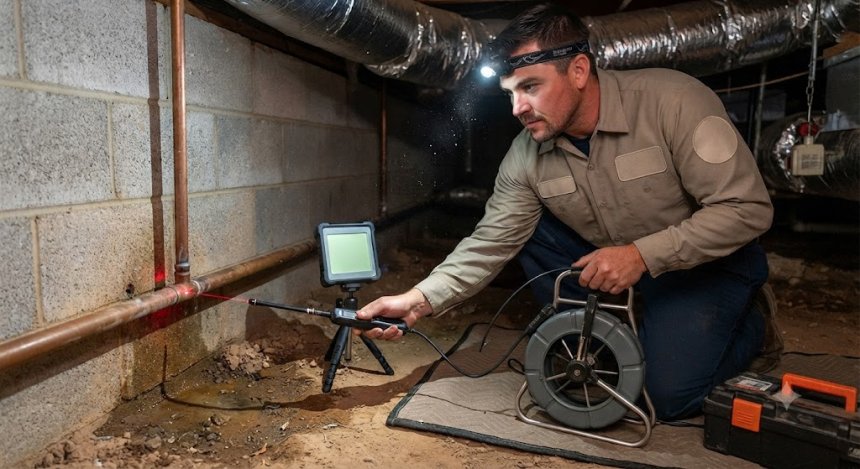
Pipe Inspection Cameras: These small, waterproof cameras are sent down a drain line to inspect the interior of the pipe for cracks, blockages, or tree root intrusion.
-
Pressure Testing Equipment: This confirms that a repair is holding pressure and accurately measures water flow.
How Long Does the Repair Usually Take?
-
Simple Leak Detection and Repair: 1-3 hours for an accessible leak.
-
Moderate Repair: 3-6 hours for a leak behind a wall or in a ceiling.
-
Major Repair: 1-2 days for a slab leak or a main line repair.
-
Emergency Service: A plumber will stop the immediate flooding and ensure the water is off, with repairs scheduled as soon as possible.
Cost Factors
Plumbing repair costs vary depending on the severity of the problem, accessibility, materials required, emergency service, property type, and local labor rates.
Factors affecting the cost of leak detection and repair:
-
Diagnostic Fees: The cost of the leak detection service itself.
-
Parts and Materials: The cost of replacement pipe and fittings.
-
Labor: The hourly rate of the plumber.
-
Emergency Service Charges: After-hours or weekend calls incur a surcharge.
-
Equipment Needed: Specialized equipment may add to the cost.
-
Accessibility: Pipes behind walls, under concrete, or deep underground cost more to access.
-
Repair vs. Replacement: In some cases, it's more cost-effective to replace a section of pipe rather than attempt a repair.
-
Water Damage Restoration: This may be a separate cost from the plumbing repair itself.
-
Permit Costs: Some repairs require a permit.
Hidden Truths Homeowners Should Know
-
Small Leaks Become Expensive Repairs: A pinhole leak that goes undetected can cost you thousands in water damage and mold remediation.
-
Cheap Temporary Fixes Often Fail: Products like leak tape or "stop-leak" liquids are a gamble. They rarely last and can clog valves and other plumbing components.
-
Insurance May Not Cover Neglected Plumbing: Homeowner's insurance typically covers "sudden and accidental" damage, not damage from a long-term, untreated leak.
-
Tree Roots Are Tenacious: Even after cutting roots from your pipe, they will grow back. The pipe must be repaired or replaced to permanently solve the problem.
-
Hard Water Shortens Fixture Lifespan: The scale from hard water builds up quickly, leading to early failure of water heaters, faucets, and appliances.
-
DIY Mistakes Increase Repair Costs: Attempting to fix a leak yourself without the right skills or tools can make the problem worse.
-
Delaying Repairs Causes Structural Damage: Water can rot wooden studs, weaken floor joists, and even damage a home's foundation.
-
Hidden Leaks Increase Utility Bills: These leaks can add hundreds of dollars to your annual water bill.
-
Mold Develops Quickly: Mold can start growing within just 24-48 hours of water exposure.
-
Annual Maintenance Saves Money: Regular inspections can catch problems before they become emergencies.
15 Common Mistakes Homeowners Make
-
Ignoring a Slow Drip: It's not just water; it's money and structural integrity being drained away.
-
Using Chemical Drain Cleaners: These can damage the interior of your pipes, especially older ones.
-
Flushing "Flushable" Wipes: They don't disintegrate like toilet paper and are a leading cause of blockages.
-
Pouring Grease Down the Drain: This cools and solidifies in your pipes, creating a massive blockage over time.
-
Ignoring High Water Pressure: Too much pressure can cause pinhole leaks or blow out your plumbing.
-
Hiring Unlicensed Plumbers: A cheap job can quickly become an expensive nightmare without the right insurance and certification.
-
Skipping Annual Maintenance: Most homes never get a plumbing checkup, which is a huge mistake.
-
Waiting Until an Emergency: An inspection before the problem arises is far cheaper.
-
Using the Wrong Pipe Materials: Mixing metals or using the wrong type of pipe for an application can lead to early failure.
-
Over-tightening Fittings: This can crack the fitting or pipe, creating a leak.
-
Not Knowing Where the Main Water Valve Is: This is critical for stopping a flood.
-
Failing to Replace Appliance Hoses: A burst washing machine hose can cause thousands of dollars in damage.
-
Ignoring "Minor" Water Stains: That stain is a sign of past or current moisture intrusion.
-
Patching a Pipe Instead of Replacing It: A patch isn't a fix. It's a Band-Aid that will likely fail.
-
Not Calling a Pro When Stumped: The problem is still there, getting worse.
Maintenance Tips to Prevent Hidden Leaks
-
Monitor Your Water Bill: A month-over-month increase is often the first sign of a problem.
-
Check Your Water Pressure: Ensure it's between 40 and 60 PSI. Install a pressure regulator if needed.
-
Insulate Pipes in Unheated Areas: Protect pipes in basements, crawlspaces, and exterior walls.
-
Replace Appliance Hoses: As a rule, replace the hoses to your washing machine and dishwasher every 5 years.
-
Don't Pour Grease Down the Sink: Dispose of cooking grease in a can in the trash.
-
Clean Your Gutters: Proper drainage diverts water away from your foundation.
-
Maintain Your Hot Water Heater: Flush your water heater annually to remove sediment.
-
Schedule a Professional Inspection: Have a licensed plumber inspect your home's plumbing every 2-3 years.
-
Know Where Your Main Valve Is: This is a life-saving piece of knowledge.
-
Check for Leaks After Travel: If you've been away, check your water meter when you return.
-
Add Insulation to Attics and Crawlspaces: This prevents pipes from freezing in colder months.
-
Seal Cracks in Your Home's Exterior: Prevent cold air from reaching pipes.
-
Don't Turn the Heat Off in Winter: Even if you're away, keep your home at a minimum of 55°F.
-
Install a Water Leak Detection System: These can alert you to leaks or automatically shut off the water.
-
Check for Roots: If you have trees near your pipes, have them inspected for root intrusion.
-
Replace Old Pipes: If your home is over 40 years old, consider a repipe.
When Should You Call an Emergency Plumber?
Call immediately if you experience:
-
Burst Pipes: If water is actively gushing into your home, shut off the main valve and call immediately.
-
Sewage Backup: This poses a major health risk.
-
No Running Water: This indicates a significant failure in the water supply.
-
Flooding: Any significant amount of water entering your home requires an immediate response.
-
Gas Line Concerns: If you smell gas, evacuate immediately and call the gas company.
-
Overflowing Toilet: If a toilet is overflowing and cannot be stopped, turn off the valve behind the toilet or shut off the main water line.