Troubleshooting Low Water Pressure in Bullhead City Homes
Learn how to diagnose and troubleshoot water pressure issues in your Bullhead City home. Discover local causes like mineral buildup, PRV failures, and tips to restore flow.
Understanding Water Pressure Problems in the Desert Environment
Dealing with sudden or gradual changes in water pressure can quickly disrupt daily routines, whether it is a shower that feels like a trickle or a kitchen faucet that takes twice as long to fill a pot. When troubleshooting water pressure issues in a Bullhead City home, the primary goal is determining whether the restriction is isolated to a single fixture, affecting a specific area like the hot water side, or impacting the entire property.
Because the region experiences intense summer heat and unique municipal and private utility configurations, local plumbing systems face distinct environmental factors. By performing a few systematic checks, property owners can often pinpoint the root cause before deciding whether a simple cleaning will fix the issue or if a professional repair is required.
Isolating the Problem: Whole-House vs. Single Fixture
The very first step in diagnosing water pressure issues is checking multiple outlets. Turn on the kitchen sink, a bathroom faucet, an outdoor hose bib, and the shower. If only one fixture has low pressure, the problem is almost certainly localized to that specific hardware. If every fixture in the house suffers from weak flow, the issue originates at the main supply or the whole-house pressure regulation system.
Localized Pressure Drops
When just one fixture loses pressure, the culprit is usually minor and easy to address:
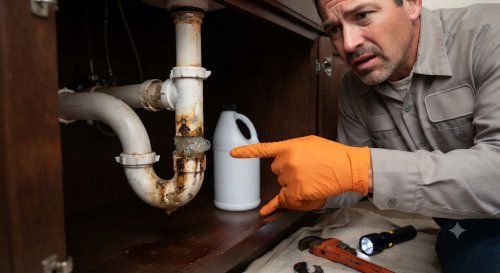
- Clogged Aerators: Faucet aerators collect small debris, rust flakes, and mineral deposits over time. In the hard-water conditions common throughout the American Southwest, calcium and lime buildup can choke off water flow remarkably fast.
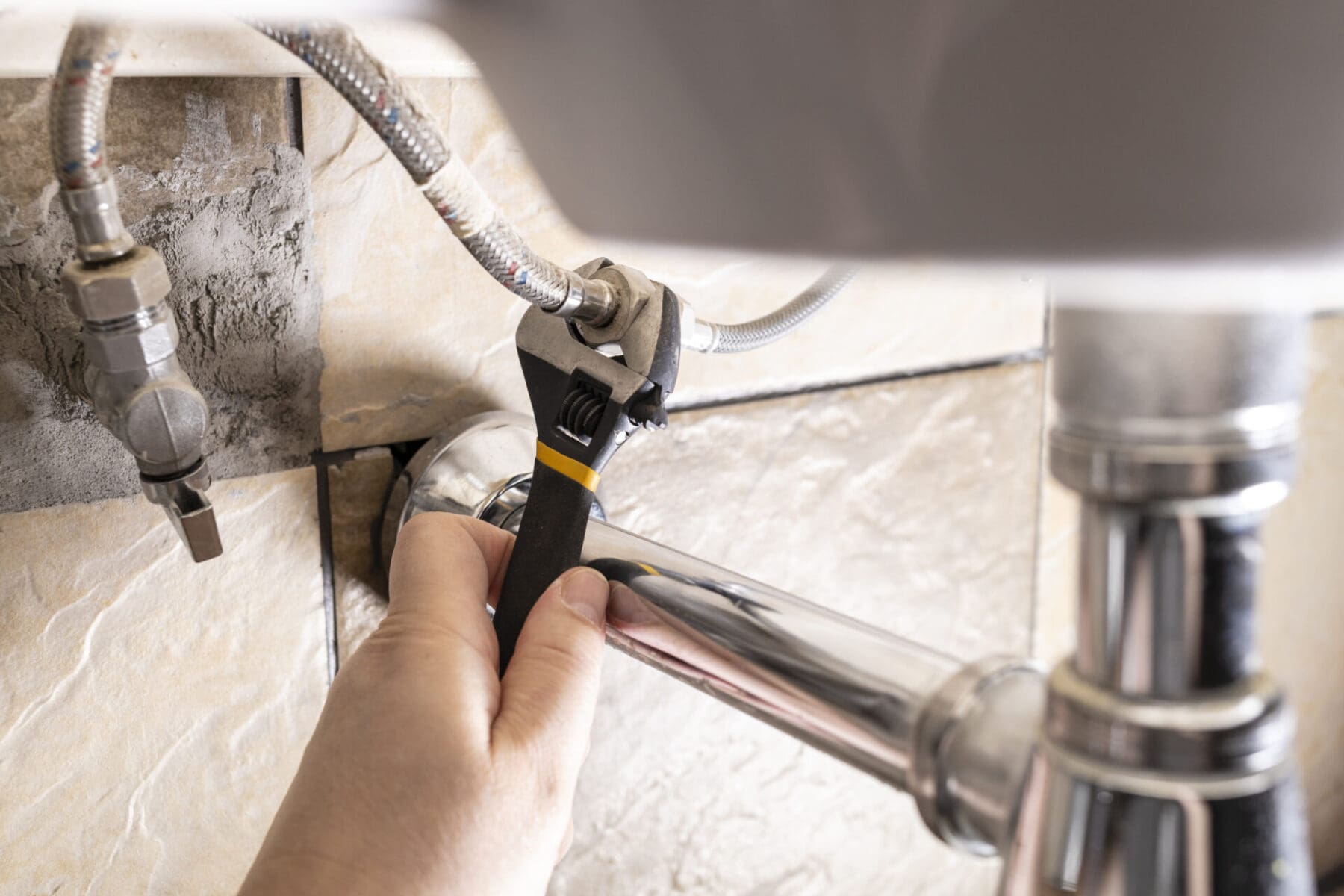
- Partially Closed Shutoff Valves: Under-sink supply valves can accidentally get bumped and partially closed during storage or cleaning.
- Cartridge Failures: Single-handle shower or sink faucets rely on internal mixing cartridges. If mineral scale jams the internal ports, water flow diminishes significantly.
Whole-House Pressure Drops
If every tap in the house runs slow, the investigation moves to the main incoming water supply line and the property's pressure control devices.
The Role of the Pressure Reducing Valve (PRV)
Most residential properties connected to municipal water supplies rely on a Pressure Reducing Valve (PRV) to lower high incoming municipal pressure to a safe level for household pipes—typically between 50 and 70 psi. In Bullhead City, municipal water mains can sometimes deliver high baseline pressure, making the PRV an essential component protecting water heaters, washing machine hoses, and fixture joints.
When a PRV fails, it usually does so in one of two ways:
- Complete Failure (Low Pressure): Internal springs break or become completely clogged with mineral sediment, preventing the valve from opening properly and starving the home of adequate water volume.
- Stuck Open (High Pressure): The valve fails to restrict incoming pressure, causing dangerously high pressure that can rupture flexible supply lines or cause plumbing joints to weep.
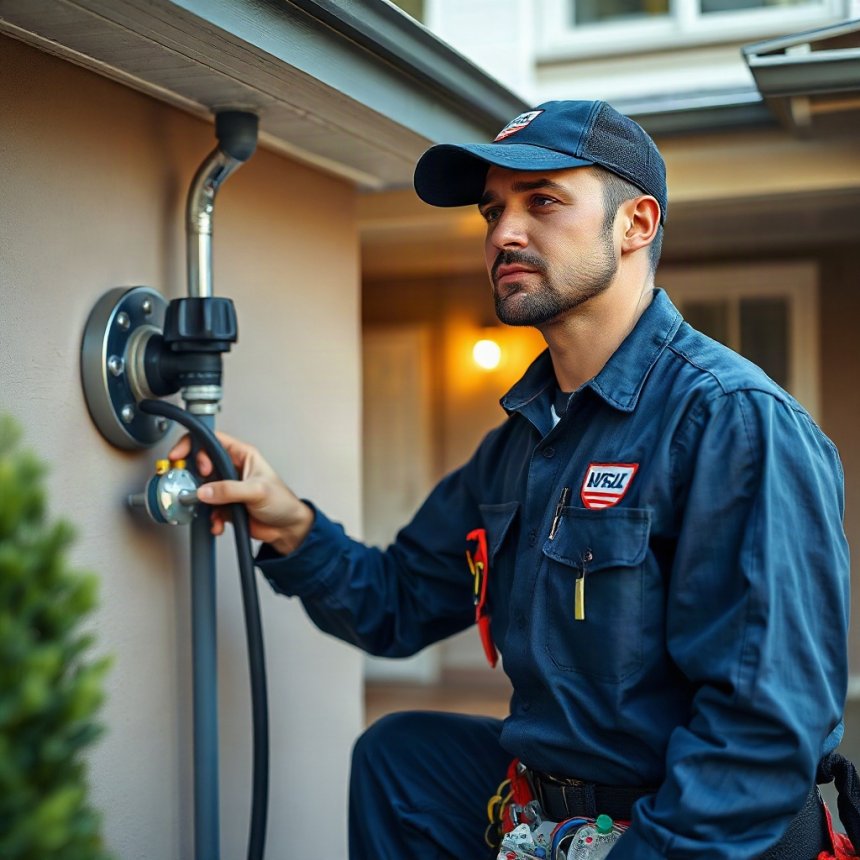
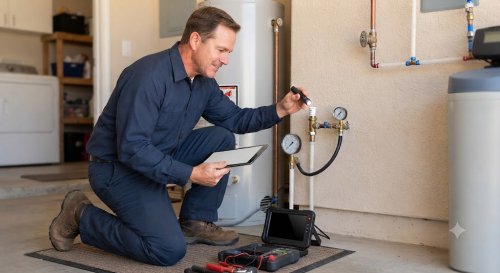
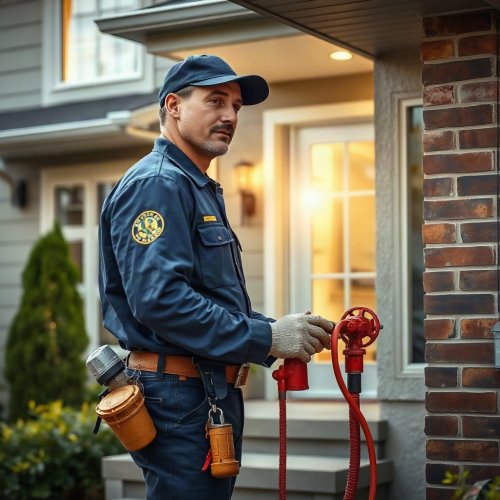
If you suspect a PRV failure, attaching a simple water pressure gauge to an outdoor hose bib is the most accurate way to verify the actual psi. A fluctuating reading, a reading well outside the normal range, or a sudden drop when multiple taps are opened simultaneously often points directly to a failing PRV.
Mineral Buildup and Hard Water Effects
Water hardness is a frequent factor in Southwest residential plumbing. Dissolved minerals like calcium and magnesium precipitate out of water, especially when heated. This accumulation does not just affect faucet aerators; it impacts the entire system.
- Water Heater Restrictions: Sediment accumulation at the bottom of a water heater tank can restrict the outgoing hot water supply line, causing hot water pressure to drop noticeably while cold water pressure remains strong.
- Supply Line Scaling: Over many years, galvanized steel pipes (common in older construction) or even copper pipes can experience internal mineral narrowing, drastically reducing the volume of water that can pass through.
If your cold water pressure is acceptable but your hot water pressure is weak, flushing the water heater tank or inspecting the inlet and outlet nipples for scale blockage is a logical next step.
Safe Troubleshooting Steps for Homeowners
Before calling for professional service, homeowners can safely perform several diagnostic checks:
- Check the Main Shutoff Valve: Ensure the primary water meter valve and the main interior shutoff valve are fully open. A valve left partially open after utility work or emergency repairs will restrict flow.
- Clean Aerators and Showerheads: Unscrew the tip of the affected faucets and soak the aerator screens in a vinegar solution to dissolve mineral scale. Rinse thoroughly before reinstalling.
- Test Multiple Faucets: Determine if the pressure drop affects hot water, cold water, or both. This helps separate local fixture clogs from water heater supply restrictions.
- Verify with a Pressure Gauge: Screw a water pressure test gauge onto an exterior hose bib to get an objective measurement of your home's water pressure.
When to Seek Professional Assistance
While cleaning aerators or adjusting a functional PRV can be straightforward, certain pressure symptoms require professional diagnosis and specialized equipment. If you notice a sudden, unexplained loss of pressure throughout the entire home, hear a strange humming or vibrating sound (often called water hammer or PRV chatter) when turning on taps, or suspect a hidden underground leak between the water meter and the house, an experienced plumber should evaluate the system.
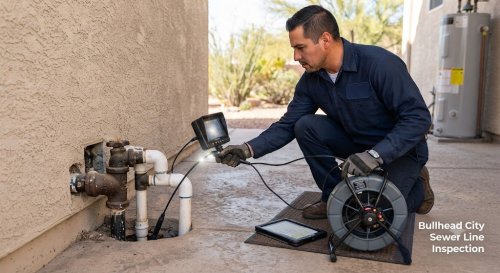
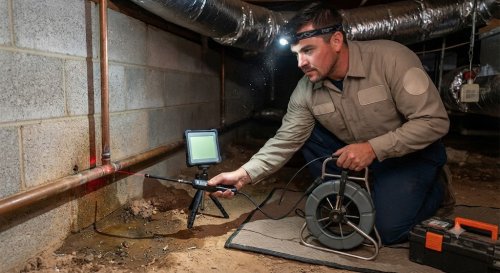
Main water service lines running from the street meter to the home can occasionally suffer from pinhole leaks, root intrusion, or crushing due to shifting desert soil. A professional can perform pressure isolation tests and inspect the main line to determine whether the restriction is public utility-related, a failing PRV, or a compromised private supply line.
Practical Takeaway
Water pressure problems rarely fix themselves, but they do provide valuable warning signs about the state of your plumbing system. By systematically isolating whether the issue affects a single fixture or the entire house, checking for mineral scale, and verifying your baseline psi with a gauge, you can identify most minor restrictions safely and ensure your home's plumbing operates efficiently.