The Dangers of Chemical Drain Cleaners:
Chemical drain cleaners damage pipes, pose health risks & don't fix clogs. Learn why Bullhead City plumbers advise against them & safer alternatives.

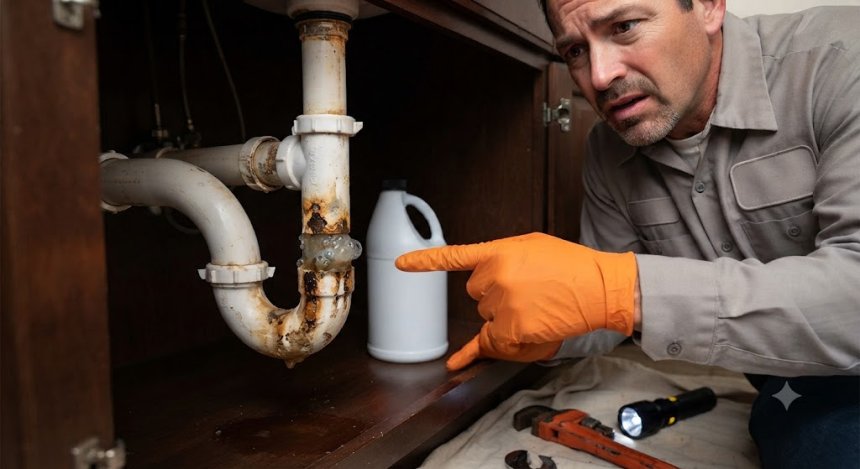
Introduction
It's a familiar scenario. Your kitchen sink is draining slowly, or your shower is filling up around your ankles. You're frustrated, and you just want the problem to go away quickly and cheaply. So you grab a bottle of chemical drain cleaner from under the sink, pour it down the drain, and wait for the magic to happen.
It seems like a simple, affordable solution. But here's the truth that the multi-billion-dollar chemical industry doesn't want you to know: that bottle of drain cleaner is quietly destroying your plumbing system.
Chemical drain cleaners are one of the most damaging products you can use in your home. They don't just clear clogs; they eat away at your pipes, damage your fixtures, and pose serious health risks to you and your family. In Bullhead City, where many homes have older plumbing systems made of cast iron, galvanized steel, or copper, the damage can be even more severe.
Yet, according to plumbing industry data, millions of homeowners continue to reach for these dangerous products every year. Why? Because they're marketed as a quick fix, and most people don't understand the long-term consequences.
In this comprehensive guide, we'll explain exactly why chemical drain cleaners are so dangerous, what they do to your pipes, safer alternatives for clearing clogs, and why professional drain cleaning is the only truly safe and effective solution for your Bullhead City home.
What Are Chemical Drain Cleaners?
Chemical drain cleaners are caustic or acidic products designed to dissolve clogs in your plumbing system. They come in three main types, and each one is dangerous in its own way.
Types of Chemical Drain Cleaners
-
Caustic Cleaners: These are the most common type found in grocery stores. They contain sodium hydroxide (lye) or potassium hydroxide. They work by generating heat and turning grease and organic matter into a soap-like substance that can be washed away.
-
Acidic Cleaners: These are stronger and more dangerous. They contain sulfuric acid or hydrochloric acid. They work by chemically dissolving the clog. These are highly corrosive and can cause severe burns.
-
Oxidizing Cleaners: These contain bleach, peroxides, or nitrates. They work by creating a chemical reaction that breaks down organic matter. They're less aggressive than acidic cleaners but still dangerous.
How They "Work"
When you pour a chemical drain cleaner down your drain, it reacts with the water in your pipes. This reaction creates heat—sometimes enough to boil the water in your pipes—and releases toxic fumes. The chemical then begins to dissolve whatever is in its path, including organic matter, grease, and even the pipe itself.
Why Does This Plumbing Problem Happen?
Understanding what causes clogs in the first place helps you appreciate why chemical drain cleaners are not a solution—they're a Band-Aid that causes more harm than good.
Common Causes of Clogs
-
Grease and Fat Buildup: This is the leading cause of kitchen sink clogs. Over time, cooking grease and fats cool and solidify inside your pipes, creating a sticky mass that catches other debris.
-
Hair: Hair is the leading cause of bathroom clogs. It combines with soap scum to form dense, fibrous masses that can completely block pipes.
-
Soap Scum: The minerals in hard water react with soap to form a hard, sticky residue that accumulates on pipe walls.
-
Food Scraps: Even with a garbage disposal, food particles can accumulate in your pipes.
-
Foreign Objects: Wipes, paper towels, feminine hygiene products, and other items that shouldn't be flushed can create major blockages.
-
Tree Roots: In older Bullhead City homes, tree roots can infiltrate cracks in your sewer line, causing clogs and backups.
-
Hard Water Scale: Our hard water leaves mineral deposits that build up inside pipes, narrowing them and creating rough surfaces where debris catches.
The Dangers of Chemical Drain Cleaners
1. Pipe Damage and Corrosion
This is the most significant danger. Chemical drain cleaners don't just dissolve clogs—they can dissolve your pipes.
-
Cast Iron Pipes: Many older Bullhead City homes have cast iron drain lines. The acids and caustics in drain cleaners can accelerate corrosion, causing pipes to develop pinhole leaks and eventually collapse.
-
Galvanized Steel: These pipes are coated with zinc to prevent rust. Chemical drain cleaners can strip this protective layer, allowing rust to form and pipes to weaken.
-
Copper Pipes: While copper is more resistant, it can still be damaged by chemical cleaners, especially acidic ones. The damage often appears as greenish-blue staining on fittings.
-
PVC Pipes: PVC can soften or crack from the heat generated by chemical reactions, especially if a clog is partially blocking the pipe and the cleaner pools against the plastic.
-
Cast Iron: The harsh chemicals can etch the rough interior of cast iron, making it even more prone to catching debris.
2. Health and Safety Risks
-
Chemical Burns: These products are highly caustic. Contact with skin, eyes, or inhalation of fumes can cause severe chemical burns. This is especially dangerous for children or pets who might accidentally ingest or come into contact with them.
-
Toxic Fumes: The fumes released by chemical drain cleaners can cause respiratory irritation, dizziness, and nausea. In confined spaces, they can be dangerous.
-
Splashing Hazards: When the cleaner reacts with the clog, it can splash back up through the drain, causing burns to your face, eyes, or hands.
3. Environmental Damage
-
Toxic Waste: Chemical drain cleaners contain harsh, non-biodegradable chemicals that can contaminate groundwater and harm aquatic life.
-
Water Contamination: These chemicals eventually end up in the municipal water supply or septic system, where they can cause problems.
4. They Don't Actually Fix the Problem
-
Surface-Level Fix: Chemical cleaners often clear just the top layer of a clog, leaving the deeper, more substantial blockage intact. The clog will return, often more severe than before.
-
Hidden Damage: While you think you've solved the problem, the cleaner is quietly damaging your pipes. You won't see the damage until it's too late.
-
Biological Breakdown: Most clogs are biological in nature (grease, hair, soap). Chemical cleaners don't fully break these down. They just create a passage through them.
Signs You Should Never Ignore
If you're using or considering using a chemical drain cleaner, these warning signs indicate you should stop immediately and call a plumber.
-
Frequent Clogs: If you're unclogging drains regularly, you have a systemic problem. Chemical cleaners won't fix it.
-
Slow Drains: A slow drain is a sign of a building blockage. The chemical cleaner is only making it worse.
-
Gurgling Sounds: This indicates trapped air in the line, often from a partial blockage. Chemical cleaners won't address the root cause.
-
Foul Odors: A sewer smell inside your home is a dangerous sign that toxic gases are escaping.
-
Multiple Drains Affected: If more than one drain is slow, the problem is in your main line.
-
Water Backing Up: If water backs up in one fixture when another is used, the blockage is significant.
-
Visible Water Damage: Stains, damp walls, or mold indicate water intrusion.
Common Plumbing Problems Related to Clogs
-
Drain Clogs: The immediate symptom that leads people to use chemical cleaners.
-
Sewer Backups: A complete blockage in the main line.
-
Pipe Leaks: Chemical damage can cause leaks.
-
Burst Pipes: Weakened pipes can burst.
-
Slab Leaks: Corroded pipes under the slab.
-
Fixture Damage: Chemical cleaners can damage fixture components like seals and washers.
Step-by-Step Professional Drain Cleaning Process
A licensed plumber follows a systematic approach to clear clogs safely and effectively.
-
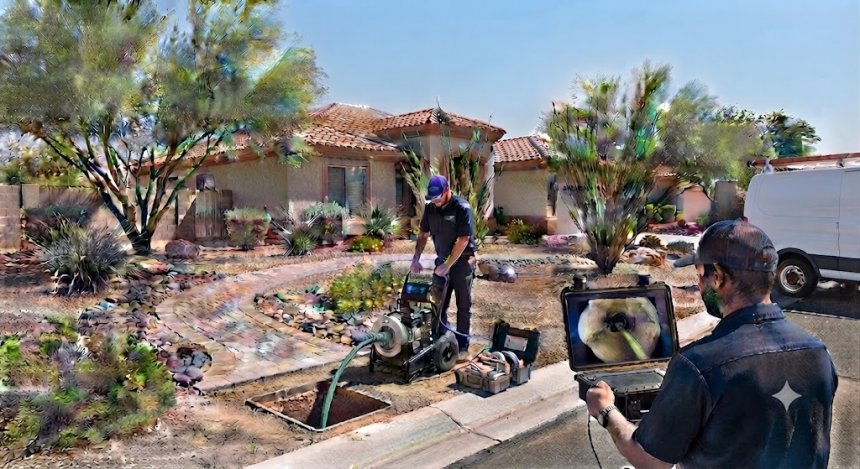
Step 1: Inspection: The plumber uses a camera to inspect the pipe, identify the clog, and check the pipe's condition.
-
Step 2: Diagnosis: Based on the camera footage, the plumber can provide a clear diagnosis and recommend the best course of action.
-
Step 3: Quote: You'll receive a written estimate before any work begins.
-
Step 4: Drain Cleaning: The plumber uses professional-grade methods like hydro jetting or mechanical snaking. These are safe and effective.
-
Step 5: Post-Cleaning Inspection: The camera is sent back through to confirm the cleaning was successful.
-
Step 6: Recommendations: The plumber provides advice for preventing future clogs and may recommend pipe replacement if damage is found.
Can You Fix It Yourself?
There are safe DIY alternatives that don't involve chemical drain cleaners.
Safe DIY Solutions
-
Boiling Water: Pouring a pot of boiling water down your drain can dissolve minor grease clogs. Use caution with PVC pipes.
-
Manual Snaking: A simple drain snake can clear clogs in individual traps.
-
Baking Soda and Vinegar: A mixture of baking soda and vinegar can help break down minor organic clogs. It's safe and non-toxic.
-
Enzyme-Based Cleaners: These use bacteria to break down organic matter. They're safe for pipes and the environment.
Temporary Fixes That Are Still Safe
-
Plunger: A plunger can be an effective tool for clearing clogs, especially in toilets.
-
Drain Strainers: This is the most effective prevention method. Catching hair and debris before it enters your pipes.
When DIY Becomes Dangerous
-
If the clog is deep: A snake or plunger may not reach it.
-
If multiple drains are affected: This indicates a main line issue.
-
If you've already used a chemical cleaner: The chemicals in the drain can make it unsafe to work on the pipe.
-
If the problem returns: A recurring clog needs professional diagnosis.
-
If you suspect tree roots: This requires professional equipment.
When Professional Drain Cleaning Is Necessary
Always call a professional for:
-
Persistent or recurring clogs
-
Clogs that affect multiple drains
-
Suspected tree root intrusion
-
Any main line issue
-
If you suspect pipe damage
Tools Professionals Use
-
Drain Cameras: Provide a real-time view of the pipe's interior.
-
Hydro Jetting: Uses high-pressure water to blast away debris and scale.
-
Mechanical Snakes: Powerful machines that can cut through tough blockages.
-
Pipe Locators: Trace underground pipes.
-
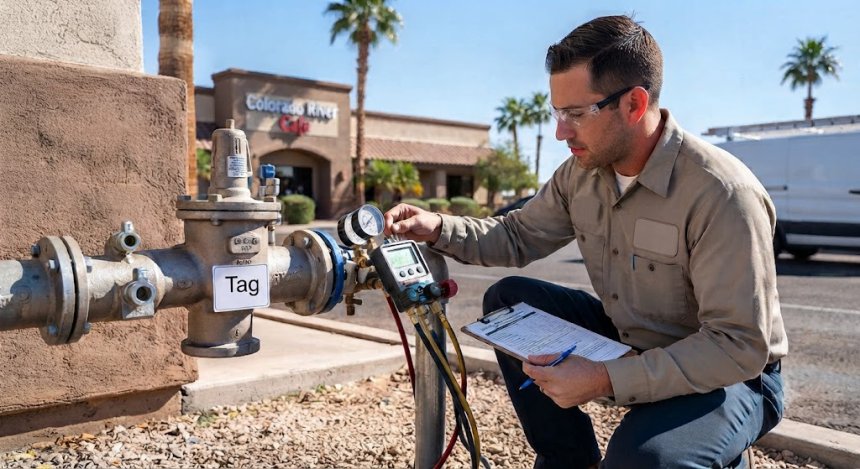
Pressure Testing: Check the integrity of the pipe.
How Long Does the Repair Usually Take?
-
Simple Drain Cleaning: 1-2 hours.
-
Moderate Drain Cleaning: 2-4 hours.
-
Complex Cleaning: 4-6 hours.
-
Repairs: 1-3 days.
Cost Factors
Plumbing repair costs vary depending on the severity of the problem, accessibility, materials required, emergency service, property type, and local labor rates.
Factors affecting the cost:
-
Diagnostic Fees: The cost of the camera inspection.
-
Parts and Labor: Time and materials.
-
Emergency Service Charges: After-hours calls.
-
Equipment Needed: Hydro jetting is more expensive than snaking.
-
Permit Costs: Some work requires a permit.
-
Repair vs. Replacement: Sometimes replacement is the better option.
Hidden Truths Homeowners Should Know
-
Chemical Cleaners Are a False Economy: They may seem cheap upfront, but the damage they cause is expensive to repair.
-
You're Not Saving Money: The cost of repairing the damage from chemical cleaners often far exceeds the cost of a professional cleaning.
-
Your Pipes Are Weaker Than You Think: Especially if you have an older home, your pipes are already compromised. Chemical cleaners can be the final blow.
-
It's Not Worth the Risk: The health risks to your family are simply not worth it.
-
Professional Hydro Jetting Is Safer: When performed by a licensed plumber, hydro jetting is safe for properly maintained pipes.
-
A Clog Is a Symptom, Not a Disease: A recurring clog indicates a chronic issue.
-
Insurance Won't Cover Chemical Damage: If you damage your pipes with a chemical cleaner, your homeowner's insurance likely won't cover it.
-
Annual Maintenance Prevents Clogs: A regular cleaning schedule prevents clogs from forming in the first place.
15 Common Mistakes Homeowners Make
-
Using Chemical Drain Cleaners: This is the most significant mistake.
-
Ignoring Slow Drains: This allows blockages to grow.
-
Flushing Wipes: This is a leading cause of sewer clogs.
-
Pouring Grease Down the Drain: This cools and solidifies in your pipes.
-
Not Using Drain Strainers: Catching debris is the best prevention.
-
Overtightening Fittings: This can crack pipes.
-
Using a Plunger Incorrectly: This can push a clog deeper.
-
Not Knowing Where the Cleanout Is: You need to know how to access your line.
-
Hiring Unlicensed Plumbers: A cheap job can become an expensive nightmare.
-
Skipping Annual Maintenance: Most homes never get a plumbing checkup.
-
Waiting Until an Emergency: An inspection before the problem arises is far cheaper.
-
Assuming a Clear Drain Means a Clean Pipe: Pipes can be severely scaled while still draining.
-
Planting Trees Near Sewer Lines: This will eventually cause root intrusion.
-
Ignoring Gurgling Sounds: This is a key warning sign.
-
Calling a Plumber After Using Chemical Cleaners: The chemicals make it dangerous for the plumber to work on the pipe.
Maintenance Tips to Prevent Clogs
-
Use Drain Strainers: This is the most effective prevention.
-
Never Pour Grease Down the Drain: Dispose of it in the trash.
-
Don't Flush Wipes or Paper Towels: Only flush toilet paper.
-
Use Enzyme Cleaners Monthly: These help maintain your pipes.
-
Flush with Hot Water Weekly: Hot water helps clear grease.
-
Clean Your Gutters: This prevents water from damaging underground pipes.
-
Maintain Your Water Softener: This reduces mineral buildup.
-
Don't Overload Your Garbage Disposal: Use it sparingly.
-
Schedule Annual Professional Cleaning: This prevents clogs from forming.
-
Get a Camera Inspection Every 2-3 Years: This catches problems early.
-
Know Where Your Main Valve Is: In an emergency, you need to shut off your water.
-
Check for Tree Roots: Have your sewer line inspected if you have large trees.
-
Replace Old Pipes Proactively: If your home is over 40 years old, consider a repipe.
When Should You Call an Emergency Plumber?
-
Complete Blockage: No water is draining.
-
Sewer Backup: Raw sewage is coming up through your drains.
-
Burst Pipe: Water is actively flooding your home.
-
Sewer Smell in the Home: Toxic gases are entering your living space.
-
Water Pooling in Yard: This indicates a broken underground pipe.