Sewer Line Backups:
Don't ignore these sewer line backup warning signs. Learn the causes, prevention tips, and when to call a plumber in Bullhead City, AZ before disaster strikes.

Introduction
Picture this: You're getting ready for work, you flush the toilet, and instead of water going down, it starts rising. Your heart sinks as you realize the water isn't stopping, and it's beginning to spill onto your bathroom floor. This is the nightmare scenario of a sewer line backup, and for many homeowners, it's a reality they never saw coming.
Sewer line backups are among the most stressful and expensive plumbing emergencies a homeowner can face. They don't just create a mess; they create a health hazard. Raw sewage contains harmful bacteria and pathogens that can make your family seriously ill. The cleanup process is complex, often requiring professional remediation, and the damage to your home's structure can be extensive.
In Bullhead City and across Mohave County, sewer backups are more common than you might think. Our unique desert environment, with its hard water, expansive soil, and invasive tree roots, creates the perfect conditions for sewer line failures. Many homeowners don't realize there's a problem until it's too late—until water is backing up into their bathtub or sewage is pooling in their yard.
This article is your comprehensive guide to understanding sewer line backups, recognizing the warning signs early, and knowing exactly what to do when you suspect a problem. By the time you finish reading, you'll have the knowledge to protect your home and your family from one of the most unpleasant plumbing disasters imaginable.
What Is a Sewer Line Backup?
A sewer line backup occurs when the main drain line that carries wastewater from your home to the municipal sewer system or your septic tank becomes blocked or overwhelmed. Instead of flowing away from your home, the wastewater flows backward, potentially coming up through floor drains, bathtubs, sinks, and toilets.
Think of your sewer line as a major highway for all the water leaving your home. Every time you flush a toilet, take a shower, run the washing machine, or wash dishes, the water travels through your home's plumbing system and enters this main highway. When that highway gets blocked, traffic—in this case, wastewater—has nowhere to go but backward.
Common Situations Where Sewer Backups Occur
Sewer backups can happen in any home, but certain situations make them more likely:
-
Older Homes: Homes built before 1970 often have cast iron or clay sewer pipes that are more susceptible to cracking, corrosion, and root intrusion.
-
Homes with Large Trees: Mature trees with extensive root systems in the yard are a major risk factor for sewer line damage.
-
Homes with a History of Clogs: If you frequently experience slow drains or toilet clogs, you may have a partial blockage building up in your main line.
-
Properties with Shared Sewer Lines: Some homes in older neighborhoods share a common sewer lateral with a neighbor, meaning a blockage can affect multiple households.
Symptoms of a Developing Problem
The problem rarely happens overnight. Your home gives you warning signs that something is wrong with the sewer line, often weeks or even months before a full backup occurs. The key is recognizing these signs and acting on them quickly.
Key Symptoms Include:
-
Multiple drains in your home running slow simultaneously
-
Gurgling sounds coming from your toilet or drains
-
A foul, sewer-like odor inside your home or outside near your cleanout
-
Water backing up in your bathtub or shower when you flush the toilet
-
Patches of grass in your yard that are unusually green or lush
-
Soggy or sunken areas in your yard
Why Does This Plumbing Problem Happen?
Understanding the root causes of sewer backups helps you take preventive measures and recognize when professional intervention is necessary.
Common Causes of Sewer Line Backups
-
Tree Root Intrusion: This is the leading cause of sewer line failures in Bullhead City and the surrounding area. Tree roots are naturally drawn to the moisture and nutrients inside your sewer pipes. They can enter through tiny cracks or loose joints and, as they grow, completely fill the pipe, causing blockages and structural damage. Common culprits include ficus trees, willows, and cottonwoods.
-
Aging and Deteriorating Pipes: Many older homes in the Bullhead City area have original sewer pipes that are 50, 60, or even 80 years old. Cast iron pipes can rust from the inside, creating rough surfaces that catch debris and eventually collapse. Clay pipes can crack or break from ground movement, especially during our hot, dry summers when soil shifts significantly.
-
Grease and Fat Buildup: Over time, cooking grease, oils, and fats poured down kitchen sinks can cool, solidify, and coat the inside of your pipes. This sticky buildup catches other debris and gradually narrows the pipe, eventually causing a complete blockage.
-
Foreign Objects: Flushing inappropriate items down the toilet is a surprisingly common problem. "Flushable" wipes, paper towels, diapers, feminine hygiene products, and even children's toys are not designed to break down in the sewer system and can create massive blockages.
-
Hard Water Scale: Our water in Bullhead City and across Mohave County is notoriously hard, with high levels of dissolved minerals. Over time, these minerals can accumulate inside your pipes, restricting flow and creating rough surfaces where other debris collects.
-
Shifting Soil: Arizona's soil can be expansive, swelling with moisture during the rainy season and shrinking during our long, dry summers. This constant movement can shift and crack underground sewer pipes, especially older, more brittle ones.
-
Collapsed Pipes: A pipe can collapse completely from age, corrosion, or external pressure from soil movement or heavy equipment above ground. A collapsed pipe requires immediate replacement.
-
Improper Installation: Poorly installed pipes, incorrect slopes, or substandard materials can lead to premature failure and chronic blockages.
Real-World Example
Consider a typical Bullhead City home built in the 1970s with a large ficus tree in the front yard. Over the decades, the tree's roots have slowly infiltrated the cast iron sewer line through a tiny crack. Initially, the homeowner notices that the bathtub drains a little slower than it used to. A few months later, the toilet gurgles occasionally. Then one morning, the washing machine sends water up through the utility sink in the laundry room. This is classic tree root intrusion—a preventable problem that becomes a major emergency when ignored.
Signs You Should Never Ignore
These warning signs should always prompt immediate action. The earlier you address a potential sewer backup, the less damage you'll face.
-
Multiple Drains Are Slow: When just one drain is slow, the problem is likely localized. But when your bathtub, kitchen sink, and laundry drain all drain slowly at the same time, you have a main line issue.
-
Gurgling Sounds: If you hear a bubbling or gurgling sound from your toilet or drains when you flush or run water, it's a sign that air is trapped in the line by a blockage. This is one of the earliest and most reliable warning signs.
-
Foul Odors: A sewer smell inside your home isn't just unpleasant; it's dangerous. If you can smell sewage, gases like methane and hydrogen sulfide are entering your living space. These are explosive and toxic. This smell may also come from the cleanout pipe in your yard.
-
Water Backing Up: If water backs up in your bathtub, shower, or sink when you flush the toilet or run the washing machine, the blockage in your main line is significant.
-
Patches of Lush Green Grass: If an area of your lawn is significantly greener or grows faster than the rest, it could be receiving fertilizer from a leaking sewer line.
-
Soggy or Sunken Yard: A leak or break in your sewer line can saturate the soil, creating soft, wet areas or even sinkholes in your yard.
-
Sewage in the Yard: This is the most obvious and serious sign. If you see sewage pooling in your yard, you have a major break in your sewer line.
Common Plumbing Problems Related to Sewer Backups
Sewer backups are closely connected to other plumbing issues. Understanding these connections can help you address problems before they escalate.
-
Drain Clogs: Frequent drain clogs are a warning sign that debris is accumulating in your pipes, potentially forming a larger blockage in your main line.
-
Pipe Leaks: A cracked or broken sewer pipe can leak wastewater into the surrounding soil, causing environmental damage and attracting tree roots.
-
Water Heater Failures: The minerals from hard water that damage sewer pipes also affect your water heater, shortening its lifespan.
-
Slab Leaks: In homes built on concrete slabs, sewer pipes running under the slab can leak, damaging the foundation.
-
Fixture Damage: A sewer backup can cause significant damage to toilets, sinks, and other fixtures, requiring replacement.
Step-by-Step Professional Repair Process
When you call a licensed plumber for a sewer line backup, here's what the typical process looks like:
-
Step 1: Emergency Assessment: The plumber will arrive, assess the situation, and, if necessary, take immediate steps to contain the backup and prevent further damage. This might include clearing a partial blockage to allow water to drain.
-
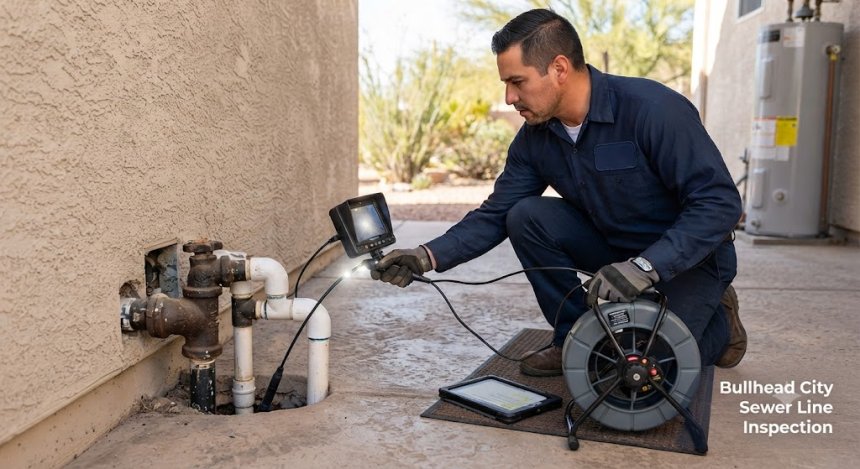
Step 2: Video Camera Inspection: The plumber will send a high-resolution camera on a flexible cable down the sewer line. This provides a real-time view of the inside of your pipe, identifying the exact location and nature of the problem—whether it's tree roots, a blockage, or a collapsed pipe.
-
Step 3: Diagnosis: Based on the video inspection, the plumber will diagnose the issue and explain the best course of action. You'll receive a clear, detailed explanation of what's wrong and why the chosen repair method is the best solution.
-
Step 4: Written Estimate: Before any work begins, you'll receive a written estimate with a breakdown of all costs.
-
Step 5: Repair: The repair will proceed based on the diagnosed problem. This may involve:
-
Hydro jetting to clear blockages
-
Root removal using specialized cutting tools
-
Traditional excavation and replacement
-
Trenchless repair methods (pipe bursting or CIPP)
-
-
Step 6: Final Inspection: A final camera inspection confirms the repair was successful and the line is clear and flowing correctly.
-
Step 7: Cleanup: The work area will be cleaned up. For extensive trenching, the plumber will handle backfilling and leave the area in a safe, tidy condition.
Can You Fix It Yourself?
When it comes to sewer line backups, your ability to fix the problem yourself is extremely limited, and what you can do is often just a temporary measure.
Safe DIY Solutions
-
Plunge the Toilet: A plunger can often clear a simple toilet blockage.
-
Use a Drain Snake: A manual snake can clear small clogs in individual drains.
-
Boiling Water: For minor grease clogs in a kitchen sink, carefully pouring boiling water can help melt the grease.
Temporary Fixes (Use with Caution)
-
Enzyme-Based Cleaners: These use bacteria to break down organic matter and can be used monthly to help maintain clean pipes. However, they cannot clear a major blockage.
-
Chemical Drain Cleaners: Avoid these. They are dangerous to you and your pipes. They can cause chemical burns and can damage or eat through older pipes.
When DIY Becomes Dangerous
-
If Multiple Drains Are Affected: This indicates a main line problem beyond your ability to fix.
-
If the Problem Returns: A recurring clog is a sign of a chronic issue that needs professional diagnosis.
-
If You Suspect a Collapsed Pipe: Digging up a sewer line is dangerous work that requires specialized equipment and expertise.
-
If You Don't Have the Right Tools: Specialized equipment like a sewer camera is essential for properly diagnosing the problem.
When Professional Plumbing Is Necessary
Always call a professional for:
-
Persistent or recurring blockages
-
Slow drains throughout your home
-
Foul odors
-
Any signs of a backup or visible sewage
-
Any suspicion of damage to the sewer line itself
Tools Professionals Use
These are the essential tools a licensed plumber uses to diagnose and repair sewer line problems. These tools demonstrate the value of professional expertise.
-
Drain Cameras: High-definition cameras on flexible cables provide a clear view of the inside of your pipe, identifying blockages, cracks, and root intrusion.
-
Hydro Jetting Equipment: This uses high-pressure water (up to 4,000 PSI) to blast away debris, grease, and roots, thoroughly cleaning the pipe's interior.
-
Pipe Locators: These electronic devices trace the path of underground pipes, helping plumbers locate access points and avoid damaging other utilities.
-
Cutter Tools: Specialized cutting tools are attached to the cable to physically cut through roots and other tough blockages.
-
Trenchless Equipment: For pipe bursting and CIPP (Cured-In-Place Pipe), specialized equipment is used to repair or replace the pipe without excavation.
How Long Does the Repair Usually Take?
The timeline depends on the severity of the issue and the repair method.
-
Simple Repairs: Clearing a blockage with hydro jetting or a cutter typically takes 1-3 hours.
-
Moderate Repairs: If a section of pipe needs to be replaced through traditional excavation, this can take 4-8 hours, depending on accessibility.
-
Major Repairs: Replacing a full sewer line using traditional methods can take 1-3 days.
-
Emergency Repairs: If your home is flooding, a plumber will get the water flowing again immediately, which may take 1-2 hours, with permanent repairs scheduled later.
Cost Factors
Plumbing repair costs vary depending on the severity of the problem, accessibility, materials required, emergency service, property type, and local labor rates.
The final cost of your repair will be determined by these factors:
-
Diagnostic Fees: The cost of the initial camera inspection.
-
Parts and Labor: The cost of replacement pipes, fittings, and the plumber's time.
-
Emergency Service Charges: After-hours, weekend, or holiday calls often incur a surcharge.
-
Equipment Needed: Hydro jetting or specialized tools may add to the cost.
-
Permit Costs: In Bullhead City and Mohave County, some sewer repairs require permits.
-
Repair vs. Replacement: Often, it's more cost-effective to replace a failing section of pipe rather than attempt multiple repairs.
-
Accessibility of Pipes: Pipes that are under concrete slabs, deep underground, or under landscaping cost more to access.
Hidden Truths Homeowners Should Know
-
Small Problems Become Emergencies: A partially blocked line is an accident waiting to happen. By the time sewage backs up, the damage is done.
-
Temporary Fixes Often Fail: Chemical cleaners, enzyme treatments, and even snaking the line may clear the immediate symptom, but if the root cause—like tree roots or a damaged pipe—isn't addressed, the problem will return.
-
Insurance Often Doesn't Cover It: Most standard homeowner's insurance policies do not cover sewer line repair or replacement. You may need a separate "service line" endorsement to be protected.
-
Tree Roots Are Tenacious: Even after cutting roots from your pipe, they will grow back, often within a year. The pipe must be repaired or replaced to permanently solve the problem.
-
Hard Water Takes a Toll: The minerals in Bullhead City's hard water build up inside pipes over the years, significantly reducing their capacity.
-
DIY Mistakes Cost More: Attempting to clear a sewer line yourself without proper equipment can make the problem worse, leading to a more expensive fix.
-
Delaying Repairs Damages Your Home: A leaking sewer line can compromise your foundation, contaminate your soil, and create health hazards.
15 Common Mistakes Homeowners Make
-
Ignoring Slow Drains: That slow bathtub drain isn't a minor annoyance; it's a sign of a building blockage.
-
Using Chemical Drain Cleaners: These are dangerous and can damage your pipes, especially older ones.
-
Flushing "Flushable" Wipes: These do not break down in sewer lines and are a major cause of backups.
-
Pouring Grease Down the Drain: This is the single most common cause of kitchen sink blockages.
-
Ignoring Gurgling Sounds: A gurgling toilet is a loud warning signal that shouldn't be ignored.
-
Hiring Unlicensed "Plumbers": An unlicensed handyman can cause more damage and won't have the proper insurance.
-
Skipping Inspections: Regular camera inspections of your sewer line can catch problems early.
-
Waiting Until an Emergency: Calling a plumber when you first notice a problem is cheaper than waiting for a catastrophe.
-
Flushing Medications Down the Toilet: These don't break down and can harm the environment.
-
Ignoring Foul Odors: Smelling sewage is a health risk and a sign of a serious problem.
-
Planting Trees Near the Sewer Line: This is the root of many sewer problems.
-
Patching Instead of Replacing: A patch is a short-term fix for a long-term problem.
-
Not Knowing Where the Cleanout Is: You need to know where your sewer line cleanout is located for emergencies.
-
Assuming a Drain Cleaner Fixed the Problem: If a chemical cleaner clears a clog, you've only removed the symptom, not the cause.
-
Delaying Because of the Cost: The cost of a repair will only increase the longer you wait.
Maintenance Tips to Prevent Sewer Line Backups
-
Only Flush Toilet Paper: Nothing else goes down the toilet.
-
Never Pour Grease Down the Drain: Dispose of cooking grease in the trash.
-
Use a Drain Strainer: Catch food scraps and hair before they enter your pipes.
-
Schedule Regular Inspections: Have your sewer line professionally inspected with a camera every 2-3 years.
-
Be Mindful of Trees: Avoid planting trees near your sewer line. Consider removing mature trees with invasive root systems.
-
Flush with Hot Water: Once a week, pour a pot of hot (not boiling) water down your kitchen sink to help clear grease buildup.
-
Use Enzyme Cleaners Monthly: Use enzyme-based cleaners regularly to help maintain your pipes.
-
Know Where Your Cleanout Is: Locate your sewer cleanout and ensure it's accessible.
-
Don't Overuse Your Garbage Disposal: Treat it as a helper, not a trash can.
-
Replace Old Pipes Proactively: If your home has old, aging pipes, consider replacing them before they become a problem.
When Should You Call an Emergency Plumber?
Call immediately if you experience any of the following:
-
Sewage Backup: Raw sewage coming up through drains or toilets.
-
Sewage in Your Yard: This is a sign of a major break in your line.
-
Foul Odors Indoors: A sewer gas smell means toxic gases are entering your home.
-
Multiple Drains Completely Blocked: If water won't drain from anywhere in your home, you have a major problem.
-
Water Pooling in the Yard: A soggy yard or standing water near your cleanout is a major concern.