Common Water Heater Problems in Bullhead City Homes: Causes & Fixes
Learn why water heaters fail in Bullhead City, AZ. Discover how hard water, thermal stress, and sediment buildup impact performance and what you can do.

Understanding Water Heater Stress in the Tri-State Area
Water heaters in Bullhead City work significantly harder than units operating in regions with moderate climates and soft water supplies. Between intense summer ambient temperatures, heavy seasonal demand, and the heavy mineral content typical of local groundwater, residential water heaters face unique operational hurdles. Whether you rely on a traditional tank system or a tankless unit, understanding how local environmental factors impact equipment can help you anticipate failures, recognize early warning signs, and extend the lifespan of your appliance.
When a water heater begins to act up, homeowners are often left wondering whether a strange sound, lukewarm water, or a minor leak indicates a minor adjustment or an impending replacement. This guide breaks down the most frequent water heater problems encountered in desert environments, explains the underlying causes, and outlines practical ways to approach diagnosis and maintenance.
1. Heavy Sediment Buildup and Hard Water Scale
The single most common issue affecting water heaters in the region is mineral accumulation. Groundwater naturally carries dissolved minerals like calcium and magnesium. As water is heated inside a tank, these minerals precipitate out of the solution and settle at the bottom of the vessel or coat the interior heat exchangers of tankless models.
Symptoms and Hidden Effects
- Popping or Rumbling Noises: As a thick layer of sediment accumulates over the burner (in gas units) or the lower heating element (in electric units), water gets trapped underneath the mineral layer. When that trapped water boils, it creates steam bubbles that force their way up through the sediment, creating loud popping or rumbling sounds.
- Reduced Hot Water Capacity: Sediment takes up physical space inside a 40- or 50-gallon tank, reducing the actual volume of water the tank can hold and heat.
- Overheating and Tank Fatigue: The sediment acts as a thermal barrier between the heat source and the water. This forces the burner or elements to fire longer and hotter to achieve the thermostat setting, causing excessive thermal stress on the steel tank walls.
Practical Prevention
Flushing the water heater tank annually removes loose sediment before it bakes into a hard crust. However, if a tank has gone unmaintained for many years, aggressive flushing can sometimes dislodge scale that temporarily seals micro-cracks or old valve seats, so proceed carefully or consult a professional if the unit is well past its warranty period.
2. Scale Choking in Tankless Water Heaters
Tankless water heaters are popular for their energy efficiency and endless hot water supply, but they are exceptionally sensitive to mineral scaling. Because water passes rapidly through a compact, high-temperature heat exchanger, scale deposits form quickly on the internal copper or stainless steel coils.
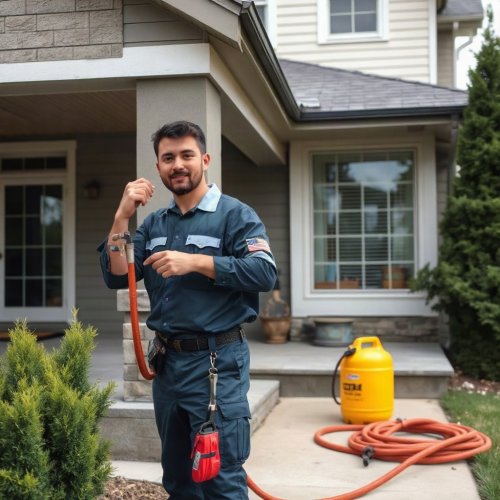
When scale restricts the internal diameter of these micro-channels, water flow drops, and the unit's flow sensor may struggle to register adequate demand. Furthermore, the restriction causes the unit to overheat rapidly, frequently triggering error codes or automatic shutdowns. Tankless systems in hard-water environments require periodic descaling (flushing with a descaling solution using a portable pump) every 12 to 24 months to maintain optimal performance.
3. Anode Rod Depletion and Accelerated Tank Corrosion
Inside every traditional glass-lined storage tank is a sacrificial anode rod—a steel core wire wrapped in aluminum, zinc, or magnesium. The purpose of this rod is to attract corrosive elements in the water so they attack the rod instead of the steel tank lining or welded seams.
In aggressive water conditions, sacrificial anode rods can completely dissolve in just a few years. Once the anode rod is depleted, the electrochemical process shifts its focus to the exposed steel of the tank itself, leading to rust, pitting, and ultimately catastrophic tank failure (leaking).
Checking and replacing the anode rod every three to five years is one of the most effective ways to double the operational lifespan of a storage water heater, yet it is almost universally overlooked during routine home maintenance.
4. Temperature Fluctuation and Thermostat Inaccuracies
If your water alternates between scalding hot and freezing cold, or if the water never quite reaches the desired temperature, the issue usually points to a control or component failure rather than the water supply itself.
- Electric Water Heaters: These units utilize dual upper and lower thermostats and heating elements. They operate on a relay system where the upper element heats first, followed by the lower element. If either element burns out or a thermostat fails, you may experience lukewarm water that runs out very quickly.
- Gas Water Heaters: Gas control valves manage the gas supply to the main burner based on water temperature. A failing gas control valve may fail to modulate properly, resulting in inconsistent heating or a pilot light that refuses to stay lit due to a failing thermocouple or thermopile.
5. Pressure Relief Valve Discharges
The Temperature and Pressure (T&P) relief valve is a critical safety device designed to open if the pressure or temperature inside the tank exceeds safe limits (typically 150 PSI or 210°F). If you notice water pooling beneath the discharge pipe outside or dripping into a garage floor drain, it indicates one of two problems:
-
Excessive System Pressure: If thermal expansion pushes closed-system household pressure beyond safe limits, the valve opens to relieve the stress. Installing or servicing a thermal expansion tank on the cold water supply line often resolves this.
Defective Valve: Over time, mineral deposits can prevent a T&P valve from seating correctly once it opens, causing a persistent trickle. If a valve weeps continuously, it must be replaced immediately. Never cap or plug a T&P discharge pipe.
Repair vs. Replacement: Making an Informed Decision
When a water heater fails, homeowners face the decision of whether to invest in a repair or replace the entire appliance. Consider the following factors before committing funds:
- Age of the Unit: Most traditional tank water heaters have an expected service life of 8 to 12 years. If a unit is over 10 years old and experiences a major component failure (such as a leaking tank or failed gas valve), replacement is almost always more cost-effective than a major repair.
- Nature of the Leak: A leak originating from a fitting, valve, or gasket can usually be repaired. However, a leak originating from the steel tank body itself or a welded seam means the tank has ruptured structurally, and the unit must be replaced.
- Efficiency and Cumulative Costs: Sinking money into frequent repairs on an aging, inefficient unit delays an inevitable purchase while running up higher utility bills.
Conclusion
Water heater maintenance in desert environments requires a proactive approach. By understanding how sediment accumulation, mineral scaling, and anode rod depletion affect your system, you can spot minor issues before they turn into emergency leaks. Routine visual inspections of valves, checking for signs of corrosion around fittings, and keeping up with flushing schedules will help ensure your water heater operates safely and reliably for years to come.