Preventing Slab Leaks in Arizona’s Dry and Shifting Soil
Arizona's dry, shifting soil causes slab leaks that damage foundations. Learn warning signs, prevention tips, and repair options for your Bullhead City home.

Introduction
Have you noticed a warm spot on your floor that you can't explain? Or has your water bill suddenly spiked without any change in your habits? Maybe you hear water running when every tap in the house is turned off.
These aren't random occurrences—they're classic warning signs of a slab leak. And in Bullhead City, where the soil is as unpredictable as the summer heat, slab leaks are a problem that every homeowner should take seriously. Arizona's unique combination of expansive clay soils, extreme temperature swings, and hard water creates the perfect conditions for pipes beneath your concrete foundation to fail .
This guide explains why slab leaks happen in Bullhead City and gives you practical steps to prevent them. Whether you're a new homeowner or have lived here for decades, knowing how to protect your foundation can save you from costly repairs and major headaches down the road.
What Is a Slab Leak?
A slab leak is exactly what it sounds like—a water leak that develops in the pipes running underneath your home's concrete slab foundation . These pipes supply water to your home and remove wastewater. When one breaks, water escapes and starts causing problems immediately.
The problem isn't just about wasted water. Water leaking under your foundation can erode the soil beneath the concrete, causing the slab to shift, crack, or sink. Over time, this can compromise the entire structure of your home . According to EPA data, a significant number of newly constructed single-family homes develop leaks under the slab, making this a concern for homeowners of every property age .
Why Arizona's Conditions Cause Slab Leaks
Shifting Soil
Arizona's soil has a high clay content. In the scientific community, this is known as "expansive soil" because it swells when wet and shrinks when dry . A technical paper from a 2006 conference in Carefree, Arizona, specifically examined how water line leaks beneath foundations interact with expansive soils to cause structural distress .
In Bullhead City, the soil undergoes a constant cycle of expansion and contraction. Monsoon rains saturate the ground, causing the soil to swell and push against pipes. Then the summer heat dries it out, causing it to shrink and pull away from the foundation . This constant movement stresses the pipes, eventually causing them to crack or rupture. According to local plumbing experts, any movement of the soil creates pressure on pipes that can lead to failures .
Hard Water and Corrosion
Arizona is known for its hard water. In cities like Phoenix, the water can register 14 to 16 grains per gallon . Bullhead City water is similarly hard. These high mineral levels contribute to scale buildup inside pipes. The minerals create a corrosive environment that eats away at copper and other pipe materials from the inside out, creating pinhole leaks that eventually break open .
Extreme Heat and Dryness
Bullhead City's summer temperatures routinely exceed 110 degrees. The heat dries out the soil around your foundation, causing it to pull away from the concrete . This creates voids beneath your home where pipes are unsupported. When monsoons or irrigation water suddenly add moisture back, the soil expands again, shifting and stressing the plumbing lines . A simple cycle of hot, dry weather followed by sudden rain is enough to push an already-weakened pipe past its breaking point.
Abrasion and Poor Installation
Pipes beneath slabs can rub against concrete or gravel. Over time, this abrasion wears down the pipe material, eventually causing a leak . Additionally, if your home's plumbing was not installed correctly or if inferior materials were used, you face a higher risk of slab leaks .
Warning Signs You Should Never Ignore
Because slab leaks are hidden, they often cause significant damage before they're discovered. Watch for these signs :
-
Unexplained water bill spikes: This is often the first sign. If your usage habits haven't changed but your bill has jumped, suspect a leak.
-
Sound of running water: When all taps and water-using appliances are off, you should not hear water running. This sound often indicates a leak.
-
Warm or damp spots on floors: If you have a hot water leak, you may feel a warm spot on your floor. Dampness, buckling, or discoloration in flooring is also a sign.
-
Cracks in walls or flooring: As soil beneath the slab erodes, the foundation shifts. This often causes cracks in drywall, tile, or the slab itself .
-
Gaps between walls and floors: Shifting foundations can create gaps that weren't there before .
-
Musty odors or mold growth: A hidden leak creates a damp environment that encourages mold and mildew growth .
-
Sticking doors or windows: A shifting foundation can make doors and windows harder to open and close .
Prevention Strategies for Bullhead City Homes
You can't control the weather, but you can take steps to protect your home from slab leaks.
Schedule Regular Plumbing Inspections
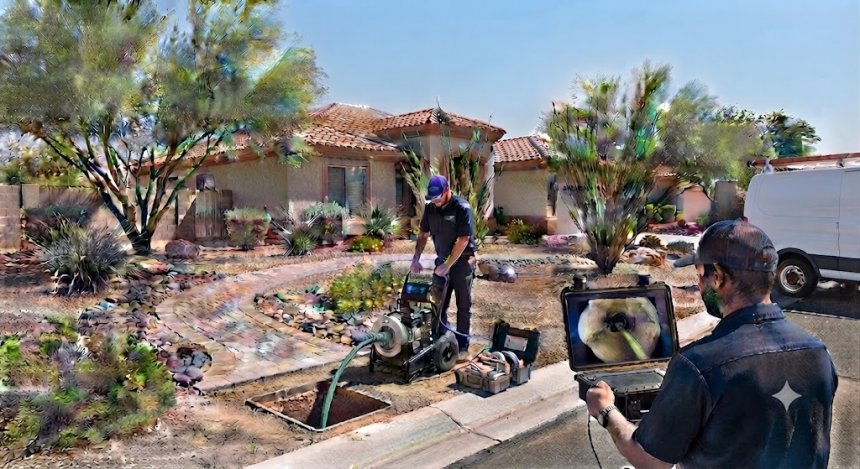
Professional plumbing inspections are one of the most effective ways to prevent slab leaks . A plumber can use specialized electronic equipment to check the condition of your pipes and identify weaknesses before they become catastrophic failures. In Bullhead City's unique soil conditions, slab leaks are common and can cause foundation damage, making early detection a smart investment .
Manage Your Water Pressure
High water pressure stresses your entire plumbing system, increasing the risk of leaks . Bullhead City homeowners often experience issues from high water pressure, leading to banging pipes, frequent leaks, and premature appliance wear . Have a plumber test your water pressure and install a pressure regulator if needed .
Install a Water Softener
A water softener reduces the mineral content in your water, which decreases the corrosive scale that builds up inside pipes . Arizona's hard water is a primary contributor to pipe deterioration. A softener is an investment in your entire plumbing system's longevity.
Maintain Proper Drainage
Ensure that water drains away from your home's foundation. Poor grading or downspouts that empty too close to the foundation allow water to saturate the soil around your home. This can cause the expansive soil to swell and put pressure on your slab and the pipes beneath it .
Monitor Your Water Bill
Keep a close eye on your water bills. If you notice an unexplained increase, investigate immediately. A small leak can waste hundreds of gallons a month, and a slab leak can waste thousands. Quick action can prevent a small leak from becoming a major expense.
Professional Repair Options
If a slab leak is detected, modern plumbing offers several repair options depending on the severity and location.
-
Spot Repair: For an isolated leak, a plumber can jackhammer through the foundation to access the damaged pipe and perform a direct repair .
-
Pipe Rerouting: If multiple leaks are present, a plumber may reroute the plumbing so pipes travel through the walls or attic instead of under the slab .
-
Trenchless Repair: For less invasive solutions, trenchless methods can seal pipes using epoxy liners . Access holes are created, and cameras are used to repair the break from the inside.
Homeowners on social media have reported that spot repairs can cost between $1,000 and $5,000 depending on the extent of the work, but that full repipes cost between $7,000 and $13,000 . Additional restoration costs for water damage can add significantly to the total .