The Dangers of Chemical Drain Cleaners:
Bullhead City plumber explains why chemical drain cleaners damage pipes, health risks, safer DIY alternatives, and when to call a pro for drain clogs.

The Hidden Dangers of Chemical Drain Cleaners: What Bullhead City Homeowners Need to Know
That slow-draining sink or shower is more than an inconvenience—it's a warning sign. And the bottle of chemical cleaner under your cabinet might be the worst thing you could reach for. We see the aftermath of chemical drain cleaners all too often here in Bullhead City, and it's rarely pretty.
Here's the truth: those store-bought chemical drain cleaners rely on volatile reactions—caustic, acidic, or oxidizing—to burn through blockages. They're powerful enough to melt hair and grease, but they can't tell the difference between a clog and your pipes.
If you've been using these products, or if you're considering reaching for one, please take a moment to understand what's at stake. In this article, we'll break down exactly why plumbing professionals advise against chemical drain cleaners, the safer alternatives you can try, and how to know when it's time to call a Bullhead City plumber.
What Are Chemical Drain Cleaners?
Chemical drain cleaners are the liquid, gel, or powder products you find at grocery and hardware stores promising to clear clogged drains quickly and easily. Popular brands like Drano fall into this category.
The active ingredients in these products are highly corrosive chemicals. They typically contain one of the following:
-
Sodium hydroxide (lye) or potassium hydroxide: These are strong alkalis that create heat to dissolve grease and organic matter.
-
Sulfuric acid or hydrochloric acid: These acids eat through blockages and pipe debris.
You might also see enzymatic or bacterial drain cleaners on the shelf. These are a different category entirely. They use natural bacteria and enzymes to digest organic waste—more on those later.
How They Work
Non-enzymatic chemical cleaners work through a violent chemical reaction. When you pour them down a drain, they mix with the clog and create intense heat—sometimes hot enough to melt grease and hair. Some formulas also produce gas or bubbles to help break up the blockage.
But that same heat and corrosion that attacks the clog also attacks your pipes.
Why Plumbers Advise Against Chemical Drain Cleaners
The risks of using chemical drain cleaners far outweigh any temporary benefit. Here's why you should think twice before pouring that bottle down your drain.
Pipe Corrosion and Damage
This is the most common and costly risk. Chemical cleaners generate intense heat inside your pipes. If the liquid sits on top of a stubborn clog, that trapped heat can warp or melt PVC pipe joints. In older homes with cast-iron or galvanized steel pipes, the caustic chemicals accelerate corrosion and thinning, causing pipes to crack and leak.
One Michigan plumber told CNET that pipe breaks caused by chemical drain cleaners are "more common than homeowners expect," often causing slow degradation and pinprick leaks that turn into much larger problems.
Septic System Destruction
If you're on a septic system, chemical drain cleaners are especially dangerous. The harsh ingredients act like an antibiotic once they enter your tank, killing the beneficial bacteria that are essential for breaking down solid waste. This disruption stops your septic system from processing waste properly and can lead to premature drain field failure or sewage backups.
Temporary Fix at Best
Chemical drain cleaners rarely clear a clog completely. Instead, they might burn a small hole through the obstruction, allowing water to drain for a while. But the core problem—hair, grease, mineral scale—remains in your pipes. Debris immediately begins accumulating again, and you'll likely face the same clog soon after.
Health and Safety Hazards
These products contain some of the most corrosive substances available for household use. Here are just a few dangers:
-
Skin contact: Can cause severe chemical burns and tissue damage.
-
Eye contact: Can cause burns or permanent vision loss.
-
Inhalation: Fumes can cause breathing difficulty and throat swelling.
-
Swallowing: Can cause permanent damage to the esophagus and stomach, and can even be fatal.
Mixing different chemical cleaners can create toxic chlorine gas or cause violent eruptions from the drain.
Danger to Plumbers
If a plumber works on a drain that's been treated with chemical cleaners, they risk chemical burns or inhaling hazardous fumes. For this reason, they must often take extra precautions, and many plumbers charge more for jobs involving chemical drain cleaners. Always tell your plumber if you've used any chemical products.
Safer Alternatives to Try
Before reaching for a chemical bottle, try these safer methods. They're often just as effective and won't damage your plumbing.
Safe DIY Solutions
-
Plunging: A good, old-fashioned plunger is often your first and best line of defense. Use a flat cup plunger for sinks and showers, and a dedicated flange plunger for toilets.
-
Baking Soda and Hot Water: For slow drains, pour half a cup of baking soda down the drain, followed by a pot of hot (not boiling) water. This can help break up light grease buildup.
-
Baking Soda and Vinegar: This creates a fizzy reaction that can help dislodge some buildup. However, it's not strong enough for tough clogs.
-
Manual Drain Snake: For hair clogs, a simple hand-cranked plumbing snake or a plastic hair-grabber tool is very effective. You can buy one for under $20.
Professional-Grade Tools
If DIY methods don't work, it's time to call a professional.
-
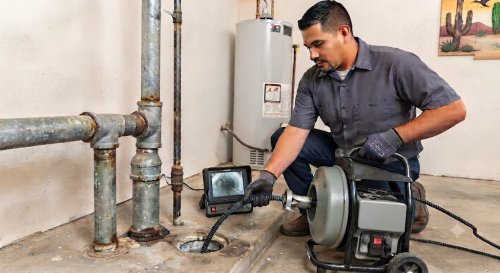
Snaking / Drain Auger: Plumbers use heavy-duty motorized snakes to break up and retrieve clogs. Unlike chemical cleaners, this physically removes the blockage.
-
Hydro Jetting: This process uses highly pressurized water to blast away grease, scale, and debris from the inside of pipes. It's incredibly effective and safe for most pipe types.
-
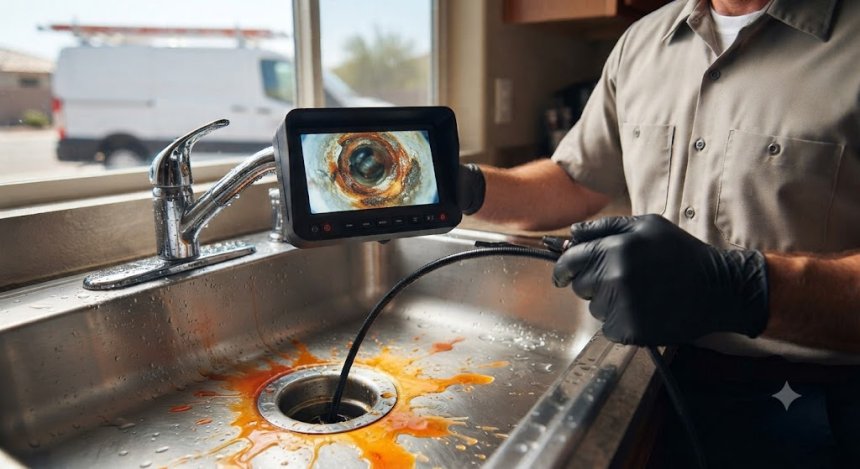
Camera Inspection: A plumber can use a small camera to inspect the inside of your pipes, identify the exact problem, and verify that it's completely cleared.
Enzymatic Cleaners
If you want a product to use for regular maintenance, choose an enzyme-based cleaner. They act like a probiotic for your plumbing, using natural bacteria to digest organic buildup without causing any damage. They're safe for pipes, septic systems, and the environment. Just be aware they take longer to work and are best for prevention, not emergency clogs.
Signs You Should Never Ignore
Before you even think about clearing a drain, look for these warning signs. They often point to a bigger problem that a chemical cleaner won't fix.
-
Recurring clogs: If you're treating the same drain over and over, that's a sign of a deeper issue, like a broken pipe or tree root intrusion.
-
Multiple drains backing up: If more than one fixture backs up, it could indicate a main sewer line blockage—an emergency.
-
Foul odors: Persistent sewer smells coming from your drains point to a serious issue.
-
Gurgling sounds: Bubbling or gurgling noises from a toilet or drain when you run water elsewhere suggests a ventilation or blockage problem.
-
Slow drainage throughout the house: Slow drainage everywhere is often a main line clog.
Hidden Truths Homeowners Should Know
-
Small leaks become expensive repairs: A minor drip can turn into a major structural repair if ignored.
-
Cheap temporary fixes often fail: A quick fix with a chemical cleaner is usually just delaying the inevitable.
-
Insurance may not cover neglected plumbing: Many policies won't cover damage from long-term neglect.
-
Tree roots can repeatedly damage sewer lines: If you have trees near your sewer line, you may face recurring clogs.
-
Hard water shortens fixture lifespan: Mineral buildup can ruin water heaters, dishwashers, and faucets prematurely.
-
DIY mistakes increase repair costs: A DIY attempt gone wrong can turn a simple fix into a major, expensive repair.
-
Delaying repairs causes structural damage: Water damage to your foundation, drywall, or cabinets is no joke.
-
Hidden leaks increase utility bills: A slow leak can add hundreds of dollars to your water bill.
-
Mold develops quickly: Moisture from a leak can lead to mold growth within 48 hours.
15 Common Mistakes Homeowners Make
-
Using chemical drain cleaners: We've covered why this is a mistake.
-
Flushing "flushable" wipes: They don't break down and cause serious blockages.
-
Pouring grease down the drain: Grease solidifies and creates massive clogs.
-
Ignoring water pressure problems: Sudden pressure drops signal a leak or blockage.
-
Hiring unlicensed plumbers: Always check for proper licensing and insurance.
-
Skipping maintenance: Annual inspections can catch problems early.
-
Waiting until emergencies: A slow leak is easier to fix than a burst pipe.
-
Using the wrong pipe materials: Not all materials are compatible.
-
Over-tightening plumbing fittings: This can cause cracks and leaks.
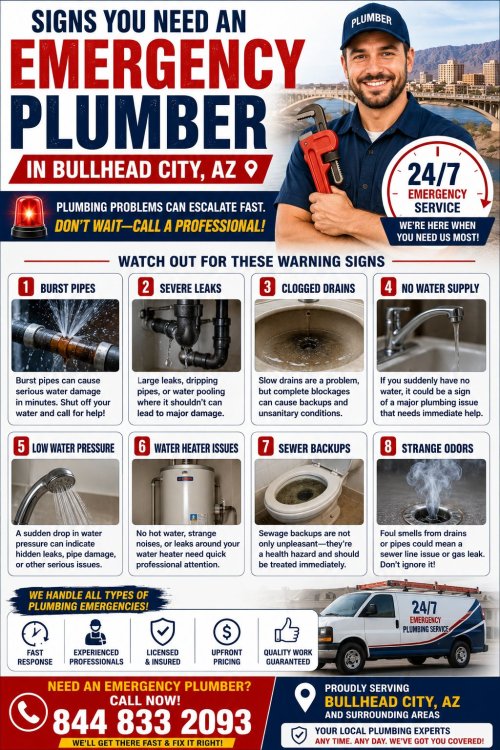
When Should You Call an Emergency Plumber?
If you experience any of these, call an emergency plumber immediately:
-
Burst pipe
-
Sewage backup into your home
-
No running water
-
Overflowing toilet that won't stop
-
Major water leak
-
Flooding
Immediate action can limit damage and save you thousands in repairs.