What to Do Immediately When a Pipe Bursts in Your Home
Pipe burst in your home? Act fast to prevent flood damage. Learn the emergency steps, causes, and when to call a plumber in Bullhead City, AZ.

Introduction
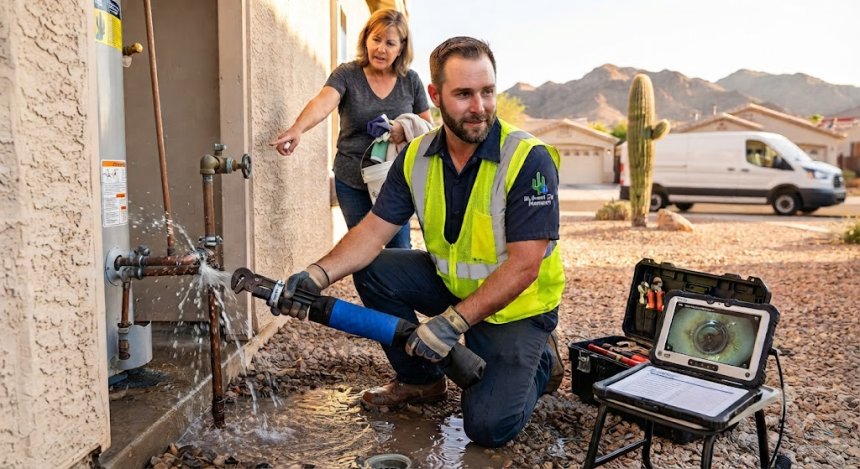
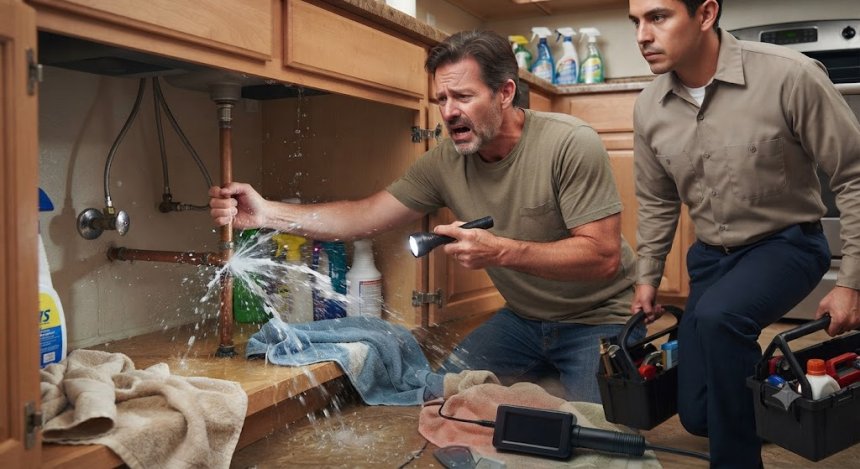
It happens without warning. You hear a loud bang, a rushing sound, or you simply walk into a room to find water pouring from your ceiling, walls, or floors. Your heart races as you realize what's happening—a pipe has burst, and water is flooding your home.
A burst pipe is one of the most stressful emergencies a homeowner can face. In just minutes, a burst pipe can release hundreds of gallons of water, causing thousands of dollars in damage to your floors, walls, furniture, and personal belongings. The water doesn't just ruin your home; it creates the perfect environment for dangerous mold growth, weakens your home's structure, and can even damage your foundation.
In Bullhead City, Arizona, burst pipes aren't just a winter problem like they are in colder climates. Here, our unique conditions—extreme heat, hard water, and shifting desert soil—can cause pipes to fail at any time of year. The scorching summer temperatures can stress pipe materials, while our mineral-heavy water accelerates corrosion from the inside out.
The first few minutes after a pipe bursts are critical. What you do immediately can mean the difference between a manageable repair and a catastrophic loss. This guide will walk you through exactly what to do, step by step, so you can protect your home and minimize the damage.
What Is a Burst Pipe?
A burst pipe occurs when a section of your plumbing system fails completely, allowing water to escape under pressure. Unlike a slow drip or a pinhole leak, a burst pipe releases water rapidly and uncontrollably, leading to immediate flooding.
Definition and Scope
-
A burst pipe is a plumbing emergency: It requires immediate action to stop the flow of water and prevent extensive damage.
-
It affects supply lines: These are the pressurized pipes that bring water into your home.
-
It's different from a drain leak: Burst pipes release clean, pressurized water (or hot water from a water heater), not wastewater.
-
The damage spreads quickly: Water can travel along joists, through ceilings, and across floors, affecting areas far from the leak itself.
Common Situations Where Burst Pipes Occur
-
Homes with older plumbing systems: Pipes that have weakened over decades of use are more vulnerable.
-
During sudden temperature drops: Even in Bullhead City, temperatures can drop below freezing in winter, causing water to expand and burst pipes.
-
Homes with high water pressure: Excessive pressure stresses your entire system.
-
Properties with tree roots: Roots can crack or crush underground pipes.
-
Homes with hard water: Mineral scale can cause uneven pipe wall erosion.
Symptoms That Precede a Burst Pipe
While a burst pipe often seems sudden, your home may have been giving you warning signs:
-
Sudden drop in water pressure: A significant loss of pressure can indicate a major leak.
-
Water stains on ceilings or walls: These indicate moisture intrusion from a developing leak.
-
Sounds of running water when all taps are off: This suggests a leak.
-
Musty odors: A persistent smell of dampness can indicate a hidden leak.
-
Excessively high water bills: An unexplained spike in your bill often indicates a supply-side leak.
Examples of Burst Pipe Emergencies
Example 1: The Freeze
It's a rare winter morning in Bullhead City. Temperatures dropped below freezing overnight, and a pipe in an uninsulated exterior wall froze and burst. You wake up to the sound of running water and find your kitchen flooded.
Example 2: The Corroded Pipe
You have a 40-year-old home with original copper pipes. Over the years, the pipes have corroded from the inside out from our hard water. One section finally gives way, and water bursts through your living room ceiling.
Example 3: The Tree Root
A large tree in your front yard has been putting pressure on your underground water service line for years. The pipe finally cracks, and water begins bubbling up from your yard, eroding the soil around your foundation.
Why Does This Plumbing Problem Happen?
Understanding the root causes of burst pipes can help you prevent them and recognize when your system is at risk.
Most Common Causes of Burst Pipes
-
Aging Pipes: As pipes age, they lose structural integrity. Corrosion weakens the pipe walls, making them more susceptible to failure. This is a leading cause of burst pipes in Bullhead City's older homes.
-
Corrosion: The chemical composition of your water, combined with the minerals in our hard water, can accelerate the corrosion of metal pipes. This creates weak spots that can suddenly give way.
-
Hard Water Scale: While scale buildup is often associated with reduced water flow, it can also cause uneven heating and cooling of pipe walls, creating stress points that can lead to failure.
-
High Water Pressure: Your plumbing system is designed to handle a specific pressure range, typically between 40 and 60 PSI. If the pressure is higher than this, it puts constant stress on your pipes, joints, and fixtures, increasing the risk of a sudden failure.
-
Improper Installation: Pipes that weren't properly supported, connected, or soldered are more likely to fail. This is especially common in homes built during construction booms.
-
Tree Roots: As tree roots search for water and nutrients, they can exert tremendous pressure on underground pipes. They can also crack pipes to gain access to the water inside.
-
Poor Maintenance: A lack of regular maintenance, including failing to address small leaks or water pressure issues, increases the risk of a catastrophic failure.
-
Seasonal Weather Changes: While Bullhead City doesn't experience the deep freezes of northern climates, temperature swings can still stress pipe materials. The expansion and contraction of pipes and the ground around them can lead to failure.
-
Physical Damage: Pipes can be damaged by construction, landscaping, or even heavy furniture being moved.
Signs You Should Never Ignore
These warning signs indicate that your plumbing system is under stress and a burst pipe may be imminent. If you notice any of these, call a plumber immediately.
-
Sudden Drop in Water Pressure: If the water pressure in your home suddenly drops, it often means water is escaping through a significant leak somewhere in your system.
-
The Sound of Running Water: If you can hear water running through your walls or under your floors when no taps are on, you have a leak.
-
Water Stains on Walls or Ceilings: A brown or yellow stain is a clear sign of moisture intrusion. It may indicate a leak that has already been active for some time.
-
Wet or Damp Walls: A wall that feels damp to the touch is actively leaking.
-
Bubbling Paint or Wallpaper: Water trapped behind paint or wallpaper can cause it to bubble and peel.
-
Musty Odors: A persistent musty smell is a sign of mold growth, which requires moisture to thrive.
-
Excessively High Water Bills: An unexplained spike in your bill indicates a supply-side leak.
-
Low Water Flow: If water is trickling out of your faucets when it should be gushing, you may have a break in the line.
-
Soggy or Sunken Areas in Yard: These can indicate a leaking underground water service line.
-
Cracks in Your Foundation: Water leaking underground can wash away soil, causing the foundation to settle and crack.
Common Plumbing Problems Related to Burst Pipes
Burst pipes are often the culmination of other plumbing issues:
-
Pipe Leaks: Small leaks can develop into bursts.
-
Slab Leaks: Pipes under the foundation can burst.
-
Water Heater Failure: A corroded water heater can burst, releasing hundreds of gallons of hot water.
-
Fixture Damage: A burst pipe can damage sinks, toilets, and other fixtures.
-
Sewer Backups: A burst sewer line is a related but distinct emergency.
-
Water Damage: This is the primary consequence of a burst pipe.
Step-by-Step: What to Do Immediately When a Pipe Bursts
This is the critical action plan you need to follow. The first few minutes are crucial.
-
Step 1: Shut Off the Water Immediately
This is your absolute first priority. Locate your home's main water shut-off valve and turn it off completely. This will stop the flow of water and prevent further flooding.
Pro Tip: Every member of your household should know where this valve is and how to operate it. It's typically located near the water meter in your yard or where the main line enters your home. -
Step 2: Turn Off the Water Heater
If the burst pipe is a hot water line, you need to turn off your water heater. This prevents it from overheating and potentially failing when the water supply is cut off. For electric heaters, turn off the circuit breaker. For gas heaters, turn the gas valve to "pilot" or "off." -
Step 3: Open All Faucets
Opening all your faucets (both hot and cold) helps drain the remaining water from your pipes, reducing the pressure and minimizing the amount of water that can escape from the burst pipe. It will also prevent water hammer as the system depressurizes. -
Step 4: Locate and Turn Off Individual Valves (If Applicable)
If the burst pipe is isolated to a specific fixture (like a toilet or washing machine), you can turn off the shut-off valve for that fixture instead of the entire house. However, if you can't identify the source of the leak immediately, shut off the main valve. -
Step 5: Drain the Faucets and Flush the Toilets
Once the water is off, open all faucets and flush all toilets to drain as much water as possible from the system. This will minimize the amount of water that can leak out of the burst pipe. -
Step 6: Clean Up the Standing Water
Safety first: avoid electrical outlets and appliances that are in standing water. Use mops, towels, a wet/dry vacuum, or sump pump to remove standing water. The faster you remove the water, the less damage it will do. -
Step 7: Move Furniture and Belongings
Move furniture, rugs, electronics, and other belongings out of the flooded area. This protects them and allows you to dry the area more effectively. -
Step 8: Call an Emergency Plumber in Bullhead City
A burst pipe is an emergency. Call a licensed plumber who offers 24/7 emergency service. A professional needs to assess the damage, locate the exact break, and make the necessary repairs. They will also help you determine if the pipe can be repaired or if it needs to be replaced. -
Step 9: Document the Damage
Take photos and videos of the damage for your insurance claim. Record the flooded areas, the damaged belongings, and the location of the burst pipe. -
Step 10: Contact Your Insurance Company
Notify your homeowner's insurance company as soon as possible. They will guide you through the claims process and may have specific instructions for the cleanup and repair process.
Can You Fix It Yourself?
A burst pipe is a plumbing emergency that requires professional intervention. However, you can perform some temporary actions to control the situation.
Safe DIY Solutions (Temporary Only)
-
Locate and Shut Off the Valve: Know where your main water valve is and how to use it. This is the most important thing you can do.
-
Use a Pipe Clamp or Repair Coupling: As an absolute last resort, a pipe repair clamp or a repair coupling can temporarily stop a leak. However, this is a temporary fix and should not be considered a permanent solution. This requires soldering skills and is difficult to do correctly in an emergency.
-
Use Epoxy Putty: For very small leaks, plumber's epoxy putty can be used to temporarily seal a crack. This is only for very small, non-pressurized leaks and should be considered a short-term patch until a professional can do the job properly.
When DIY Becomes Dangerous
-
Attempting to Solder a Wet Pipe: Soldering requires a completely dry pipe, which is nearly impossible with a burst pipe.
-
Using Duct Tape or Electrical Tape: These are not designed to hold water pressure and will fail.
-
Not Shutting Off the Main Valve First: This is the most important step and one that requires no professional skill.
-
Attempting Major Repairs Without the Right Tools: You likely don't have the pipe cutter, soldering torch, or replacement fittings needed for a proper repair.
When Professional Plumbing Is Necessary
Always call a professional for:
-
Any burst pipe: The pipe must be repaired properly to prevent future failures.
-
Repairs to supply lines: These are under pressure and require proper technique.
-
Repairs to the main water line: This is usually an underground repair that requires excavation.
-
Any repair after flooding: A professional will assess for structural damage.
-
If you don't know where the leak is: Finding the source of the burst requires expertise.
Tools Professionals Use to Fix Burst Pipes
A licensed plumber uses a range of specialized tools to fix burst pipes quickly and effectively.
-
Pipe Cutters: These tools provide clean, straight cuts for precise repairs.
-
Soldering Torches: Used to solder copper pipes, creating strong, leak-proof joints.
-
Pipe Wrenches: Used to grip and turn pipes and fittings.
-
Tubing Benders: Used to bend copper pipe for installation.
-
Pipe Locators: These electronic devices locate underground pipes and the path of buried lines.
-
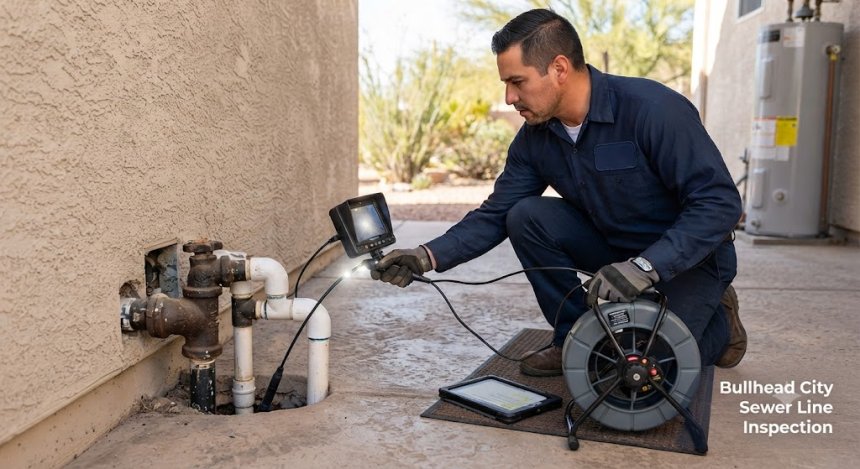
Camera Inspection Equipment: A camera is used to inspect the inside of the line and ensure it's in good condition after a repair.
-
Trenchless Equipment: For buried pipe replacement, equipment for pipe bursting or CIPP is used, which can replace the pipe without digging a trench.
-
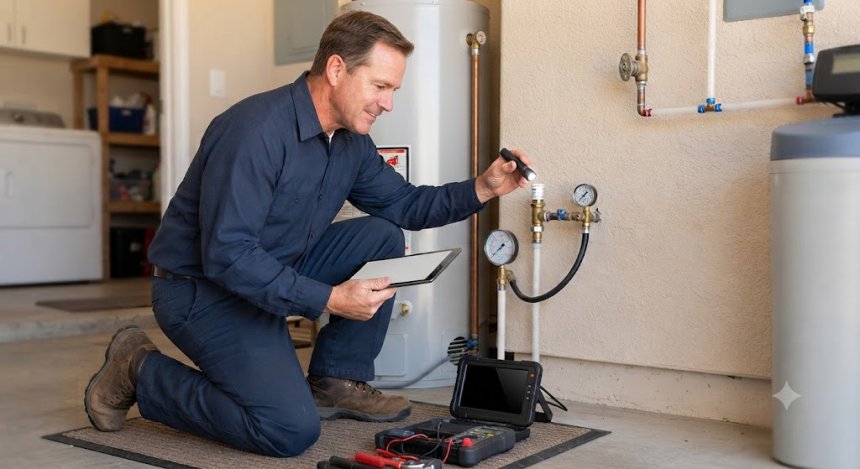
Pressure Testing Equipment: This confirms that a repair is holding pressure.
How Long Does the Repair Usually Take?
-
Simple Repair: A burst pipe that is accessible and easily repaired may take 1-3 hours.
-
Moderate Repair: A burst pipe behind a wall or in a ceiling may take 3-6 hours, including accessing and repairing the wall.
-
Major Repair: A burst main line or a pipe under a concrete slab can take 1-2 days.
-
Emergency Service: A plumber will immediately stop the flooding and ensure the water is off, with repairs scheduled as soon as possible.
Cost Factors
Plumbing repair costs vary depending on the severity of the problem, accessibility, materials required, emergency service, property type, and local labor rates.
Factors affecting the cost of a burst pipe repair:
-
Diagnostic and Assessment Fees: The cost of identifying the location and extent of the damage.
-
Parts and Materials: The cost of replacement pipe and fittings.
-
Labor: The hourly rate of the plumber.
-
Emergency Service Charges: After-hours, weekend, or holiday calls incur a surcharge.
-
Accessibility: Pipes behind walls, under concrete, or deep underground cost more to access.
-
Repair vs. Replacement: A full section may need to be replaced.
-
Water Damage Restoration: The cost of drying and restoring your home may be separate from the plumbing repair.
-
Permit Costs: Some repairs require a permit.
Hidden Truths Homeowners Should Know
-
A Burst Pipe Is an Emergency: Treat it as such. Don't wait to call for help.
-
Water Damage Adds Up Fast: In just an hour, a burst pipe can release hundreds of gallons of water. The cost of the cleanup and restoration can exceed the cost of the plumbing repair itself.
-
Your Insurance May or May Not Cover It: Standard homeowner's insurance often covers sudden, accidental damage from a burst pipe. However, it often does not cover damage from a long-term leak you ignored.
-
Mold Is a Major Concern: Water damage sets the stage for mold growth, which can start growing in as little as 24-48 hours.
-
A Temporary Fix Is Not a Permanent Fix: A patch or a clamp will eventually fail. The pipe needs to be professionally repaired or replaced.
-
You Are Responsible for the Service Line: The pipe from the water main to your home is your responsibility, not the city's.
-
Hard Water May Be the Culprit: Our hard water can dramatically shorten the life of your pipes.
15 Common Mistakes Homeowners Make
-
Panicking: Panic clouds judgment. Stay calm and focus on the priority: shutting off the water.
-
Not Knowing Where the Main Shut-Off Valve Is: This is the single most common and costly mistake.
-
Failing to Turn Off the Water Heater: This can cause the water heater to fail, leading to a second emergency.
-
Trying to Solder a Wet Pipe: This is practically impossible and dangerous.
-
Using Duct Tape: This will fail immediately under pressure.
-
Not Calling a Plumber Immediately: Every minute you delay, more water is released.
-
Failing to Document the Damage: This makes an insurance claim more difficult.
-
Not Notifying Your Insurance Company Promptly: This can jeopardize your claim.
-
Ignoring the Leak: Hoping it will go away is not a strategy.
-
Attempting DIY Repairs Without the Right Tools: You don't have the equipment needed for a proper repair.
-
Hiring an Unlicensed "Plumber": An unlicensed person can do more harm than good.
-
Not Draining the System: Failing to drain the pipes leaves water in the line, prolonging the leak.
-
Ignoring Warning Signs: A small leak can and will become a burst pipe.
-
Using Electrical Appliances in Standing Water: This is an electrocution hazard.
-
Not Addressing the Root Cause: If you don't address what caused the burst, it will happen again.
Maintenance Tips to Prevent Burst Pipes
-
Know Where Your Main Valve Is: This is a life-saving piece of knowledge.
-
Check Your Water Pressure: Ensure it's between 40 and 60 PSI. Install a pressure regulator if needed.
-
Insulate Pipes in Unheated Areas: Protect pipes in basements, crawlspaces, and exterior walls.
-
Don't Turn the Heat Off in Winter: Even if you're away, keep your home at a minimum of 55°F.
-
Let Faucets Drip in Freezing Weather: This relieves pressure if water freezes.
-
Seal Cracks in Your Home's Exterior: Prevent cold air from reaching pipes.
-
Keep Garage Doors Closed: If you have pipes in the garage, keep the doors closed in cold weather.
-
Add Insulation to Attics and Crawlspaces: This prevents pipes from freezing in these areas.
-
Have Your Pipes Inspected: A professional can identify weak points.
-
Replace Old Pipes: If your home is over 40 years old, consider a repipe.
-
Maintain a Consistent Temperature: Drastic temperature changes stress pipes.
-
Install a Water Leak Detection System: These can alert you to leaks or automatically shut off the water.
-
Check Appliance Hoses: Washing machine and dishwasher hoses can burst. Replace them every 5 years.
-
Disconnect Garden Hoses: In cold weather, hoses can freeze and cause a backflow that bursts a pipe.
-
Monitor Your Water Bill: A sudden spike is a clear warning sign.
When Should You Call an Emergency Plumber?
Call immediately if you experience:
-
Water Gushing from Pipes: This is an obvious emergency.
-
A Burst Pipe: This is a plumbing emergency by definition.
-
Flooding: Water is entering your home and you don't know where it's coming from.
-
No Water in Your Home: This could indicate a break in the supply line.
-
Water in Your Electrical System: This is an electrocution hazard.
-
Water Pooling in Your Yard: This indicates a broken underground pipe.