Troubleshooting Low Water Pressure in Bullhead City Homes
Learn how to diagnose and troubleshoot low water pressure in your Bullhead City home. Discover whether the issue is isolated, caused by hard water, or a main line problem.


Understanding Low Water Pressure in Your Home
Dealing with a weak stream from your showerhead or a sluggish kitchen faucet can make everyday tasks frustrating. When water pressure drops, the first step toward a fix is figuring out whether the issue is affecting just a single fixture, a specific area of the house, or the entire plumbing system. By performing a few simple checks, homeowners can narrow down the potential causes before deciding on a repair strategy.
Is the Problem Isolated or Whole-House?
The fastest way to diagnose low water pressure is to test multiple water sources:
- Single Fixture: If only one sink or shower has weak pressure, the issue is almost always restricted to that specific fixture, its supply lines, or its shutoff valve.
- Multiple Fixtures on One Line: If only the hot water side is weak throughout the house, the problem likely originates at the water heater. If both hot and cold are weak in one bathroom, a local supply line or valve may be restricted.
- Whole House: If every faucet, shower, and hose bib in the home experiences low pressure simultaneously, the issue is tied to the main water supply, the home's pressure regulator, or the municipal supply line.
Common Causes of Localized Pressure Drops
When a single fixture loses pressure, the culprit is usually straightforward and easy to address without professional intervention.
Clogged Faucet Aerators
In Bullhead City and the surrounding Colorado River region, local water carries naturally occurring minerals. Over time, calcium and magnesium can accumulate inside fixture aerators and showerheads. This mineral crust restricts the physical opening through which water flows, drastically reducing pressure at the point of use.
What to check: Unscrew the aerator tip from the end of the faucet spout. If you see white or crusty mineral buildup inside, soak it in a small container of vinegar for an hour, brush it clean with an old toothbrush, and reinstall it. If the pressure instantly returns to normal, mineral scale was the sole cause.
Partially Closed Shutoff Valves
Underneath sinks and behind toilets, mini gate or ball valves control water supply. If someone bumped a valve during cleaning or recent maintenance, it may not be fully open. A valve that is only half-open will severely restrict flow to that specific fixture.
Whole-House Pressure Issues and Local Factors
If your entire home is suffering from low pressure, the investigation requires looking at the main components where water enters the house.
The Water Pressure Regulator (PRV)
Most homes feature a pressure reducing valve located near the main water shutoff where the supply line enters the property. This device protects your interior plumbing from high municipal pressure. Over time, the internal springs and rubber diaphragms inside a PRV can fail or become clogged with sediment and debris. When a PRV fails, it often fails in the closed or restricted position, causing a sudden or gradual drop in pressure throughout the entire house.
Hard Water and Mineral Scale Inside Pipes
Hard water is a common reality throughout Mohave County. While municipal water treatment plants ensure water is safe to drink, mineral content remains high. Over decades of use, calcium and magnesium deposits can line the interior walls of galvanized steel or even copper piping, gradually narrowing the internal diameter of the pipe and choking down flow rates. If a home has older galvanized pipes, mineral accumulation can severely diminish overall water pressure.
Main Supply Line Leaks or Municipal Work
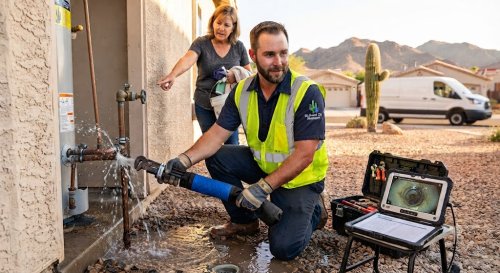
Sometimes a drop in pressure is temporary and external. Local utility work or repairs on the main municipal distribution lines can cause pressure fluctuations. However, if low pressure persists, a hidden leak in the main underground supply line between the street meter and the foundation can divert water into the soil before it ever reaches your fixtures.
Safe Troubleshooting Steps for Homeowners
Before spending money on professional repairs, you can safely perform these diagnostic checks:
- Check the main water shutoff valve: Ensure the primary valve near your water meter or main entry point is turned completely counterclockwise to the fully open position.
- Test hose bibs: Check the outdoor hose bib closest to where the water line enters the house. If pressure is strong outside but weak inside, the issue is likely internal (such as a bad PRV or clogged indoor pipes). If it is weak outside as well, the restriction is likely at the meter or the main supply line.
- Inspect the water heater shutoff: If hot water pressure is low everywhere, verify that the cold water supply valve feeding the water heater is fully open.
When to Consult a Professional
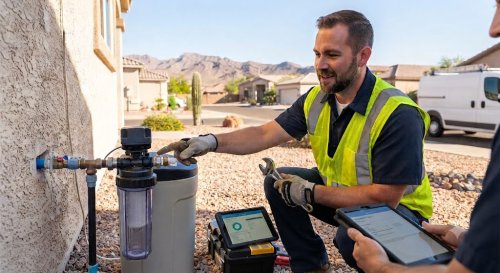
While cleaning an aerator or opening a closed valve is an easy DIY task, certain symptoms require professional diagnostic equipment. If your pressure regulator is failing, adjusting or replacing it requires specialized plumbing tools and precise pressure gauge testing to ensure the new valve is calibrated safely within home plumbing codes (typically set between 50 and 80 PSI). Similarly, locating hidden underground leaks or addressing heavily scaled supply piping requires professional assessment to determine whether targeted repairs or a whole-home repipe is the most practical long-term solution.
Final Takeaway
Low water pressure is rarely a mystery once you isolate where the symptom occurs. By checking individual aerators, verifying shutoff valve positions, and observing whether the issue is isolated or whole-house, you can quickly identify minor maintenance needs or recognize when a larger supply component requires expert attention.