Common Causes of Low Water Pressure in Bullhead City Homes
Discover why your Bullhead City home has low water pressure. Learn how to diagnose fixture restrictions, pressure regulators, and hard water mineral buildup.


Understanding Low Water Pressure in Your Home
Dealing with a sluggish stream from your showerhead or a kitchen faucet that barely fills a pot can be deeply frustrating. When you turn on a tap, you expect a steady, reliable flow. If that flow drops suddenly or gradually fades away, it is usually a sign that something is restricting the path of the water or altering the pressure regulation within your plumbing system.
In an area like Bullhead City, Arizona, understanding water pressure issues requires looking at both standard plumbing mechanics and the specific environmental factors unique to the lower Colorado River region. Hard water, mineral accumulation, and intense desert heat can all play a role in how your plumbing system performs over time.
Before you assume your entire plumbing system is failing, it helps to isolate the problem. Is the low pressure happening at only one faucet, or is every fixture in the house affected? The answer to that single question is the most important starting point for any troubleshooting effort.
Single-Fixture vs. Whole-House Pressure Drops
The first step in diagnosing low water pressure is determining its scope. Plumbing systems are divided into localized supply lines and the main supply line that feeds the entire house.
- Single-Fixture Restrictions: If only one sink or shower has low pressure, the issue is almost always isolated to that specific fixture. The problem is rarely caused by the main water supply or the municipal line. Instead, it typically points to a clogged aerator, a partially closed shutoff valve under the sink, or a localized restriction within the faucet cartridge itself.Whole-House Low Pressure: If multiple faucets, showers, and hose bibs simultaneously experience a weak flow, the issue stems from a central point. This could involve the main water shutoff valve, a malfunctioning pressure reducing valve (PRV), a major leak, or supply restrictions from the municipal utility.
Mineral Buildup and Hard Water Effects
Bullhead City homes deal with hard water containing high levels of dissolved minerals, primarily calcium and magnesium. As water moves through pipes and fixtures, these minerals can precipitate out of the solution, especially when water is heated or sits stagnant in pipes.
Over time, mineral scale accumulates inside aerators, showerheads, and fixture cartridges. In a showerhead, this scale physically blocks the tiny exit holes, scattering the spray or reducing water volume significantly. Fortunately, this is one of the easiest plumbing problems to address yourself. Unscrewing the showerhead or faucet aerator and soaking it in a simple vinegar solution for a few hours will usually dissolve the mineral deposits and restore full flow.
However, scale accumulation is not limited to visible fixtures. Over decades, mineral scale can also narrow the interior diameter of galvanized steel pipes, significantly restricting water volume. If a home still contains older metallic piping, internal mineral restriction is a common culprit behind a gradual, whole-house reduction in water pressure.
The Role of the Pressure Reducing Valve (PRV)
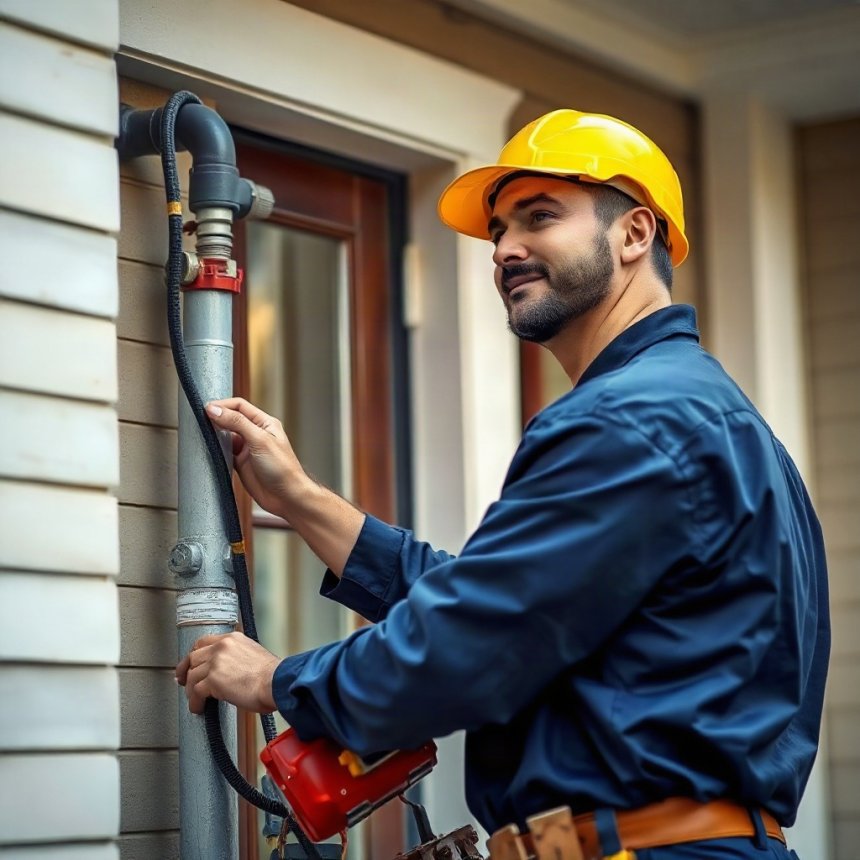
If your home experiences a sudden drop in pressure across all fixtures, a primary suspect is the Pressure Reducing Valve (PRV). A PRV is a mechanical bell-shaped device typically installed near the main water shutoff where the supply line enters the house. Its job is to step down high municipal water pressure to a safe, manageable level for your indoor plumbing—usually between 50 and 70 pounds per square inch (psi).
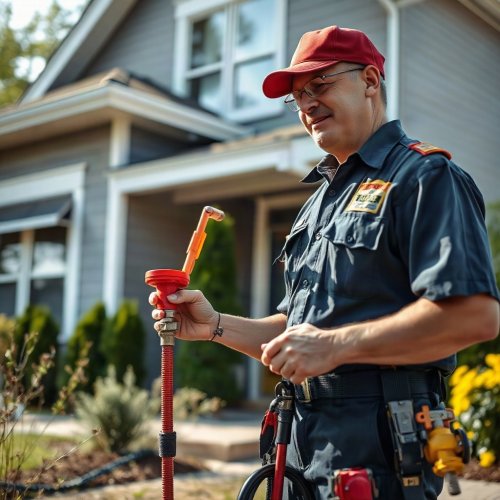
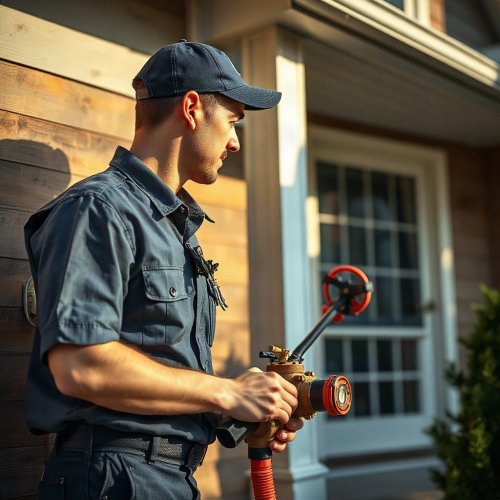
Over time, the internal springs and rubber diaphragms inside a PRV wear out. When a PRV fails, it often fails in a closed or restricted position, choking off the water supply to the home and causing a dramatic drop in water pressure. Testing a PRV requires attaching a water pressure gauge to an outdoor hose bib. If the gauge shows low pressure even with all indoor fixtures turned off, a failing PRV or a partially closed main shutoff valve is a likely cause.
Checking Shutoff Valves
It sounds simple, but a partially closed valve is a surprisingly common cause of restricted water flow. There are two main shutoff points to check:
- The Main Water Shutoff Valve: Usually located near the property line inside a utility box or where the water line enters the home. If this valve was recently manipulated during a repair or landscaping work and not fully reopened, it will restrict flow to every fixture in the house.Local Fixture Shutoffs: Found directly under sinks or behind toilets. Gate valves or quarter-turn ball valves can sometimes slip or fail internally, meaning the exterior handle is turned open, but the internal gate remains partially stuck in a closed position.
When to Investigate Further
While cleaning an aerator or checking a shutoff valve is safe and straightforward, other causes of low pressure require professional evaluation. If your pressure drop is accompanied by unexplained increases in your water bill, damp spots in your yard, or the sound of running water when all taps are closed, you may be dealing with a hidden underground water leak.
A leaking supply line under the slab or in the yard relieves system pressure and diverts water away from your fixtures. This situation requires specialized acoustic leak-detection equipment to locate the break without tearing up flooring or landscaping unnecessarily.
By systematically checking whether the problem is isolated to a single fixture, inspecting your aerators for mineral scale, and verifying that your main and local shutoff valves are fully open, you can accurately narrow down the source of low water pressure and determine the most effective path toward a lasting repair.