Troubleshooting Low Water Pressure in Bullhead City Homes
Learn how to diagnose and troubleshoot low water pressure in your Bullhead City home. Discover whether the issue is local to a fixture or a whole-house supply problem.

Understanding Low Water Pressure in Residential Plumbing
Dealing with a sluggish stream from your showerhead or kitchen faucet can be frustrating. When water pressure drops, the everyday tasks of washing dishes, doing laundry, or taking a comfortable shower become tedious chores. For homeowners in Bullhead City, Arizona, experiencing low water pressure is a common issue that can stem from several distinct sources.
The first step in addressing low water pressure is determining whether the drop affects a single fixture or the entire house. This simple distinction dictates everything from a five-minute DIY cleaning task to a major plumbing repair.
Is the Problem Isolated or Whole-House?
Before jumping to conclusions, perform a quick diagnostic check around your property:
- Check multiple fixtures: Turn on the bathroom sink, kitchen faucet, and shower. If only one fixture has low flow, the problem is almost certainly localized to that specific aerator, cartridge, or supply line.
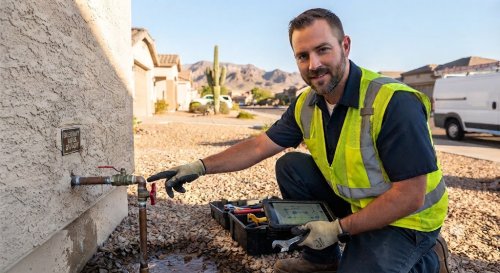
- Check outdoor spigots: Test the hose bib outside. If the outdoor water pressure is strong while indoor fixtures are weak, your interior plumbing requires closer inspection. If the outdoor pressure is also low, the restriction may lie at the main supply line or the municipal connection.
Common Causes of Localized Low Water Pressure
If only one or two fixtures are affected, the cause is usually straightforward and easy to resolve without calling a professional.
Mineral Buildup and Hard Water
Bullhead City features very hard water, meaning it carries a high concentration of dissolved minerals like calcium and magnesium. As water passes through your faucets and showerheads, these minerals precipitate out and accumulate inside aerators and showerhead nozzles. Over time, this scale restricts the flow of water.
To check for this, unscrew the aerator tip from the end of your faucet. If you see white, crusty deposits, soak the part in a small container of vinegar for an hour or two, brush away the loosened scale with an old toothbrush, and reinstall it. You will often restore full pressure instantly.
Partially Closed Shutoff Valves
Underneath sinks and behind toilets, local shutoff valves control the water supply. If someone bumped a valve during cleaning or recent maintenance, it might be partially closed, choking off the volume of water reaching the fixture.
Common Causes of Whole-House Low Water Pressure
If every faucet, shower, and appliance in the home suffers from weak flow, the underlying cause involves the main water supply system.
Pressure Reducing Valve (PRV) Failure
Most municipal water systems deliver water at pressures higher than residential plumbing systems are designed to handle safely. To protect pipes and fixtures, homes are equipped with a Pressure Reducing Valve (PRV), typically located where the main water line enters the house.
Over years of continuous operation, the internal springs and rubber diaphragms inside a PRV wear out or become clogged with mineral debris. When a PRV fails, it often fails in the closed position, severely restricting water flow to the entire home. Adjusting the top bolt on the PRV can sometimes temporarily restore pressure, but a failing valve generally requires replacement by a qualified plumber.
Main Shutoff Valve Restrictions
The main water shutoff valve—either located near the street water meter or where the line enters the foundation—must be fully open. If this valve is even partially restricted, the entire house experiences diminished flow.
Corrosion and Pipe Scaling
Older homes built with galvanized steel pipes are particularly vulnerable to internal corrosion. Over decades, mineral deposits and rust build up inside the walls of the pipes, narrowing the internal diameter until water can barely trickle through. Unfortunately, localized pipe cleaning is rarely effective for severely corroded galvanized lines; whole-house repiping with modern PEX or copper is often the permanent remedy.
Steps You Can Take Before Calling a Plumber
Homeowners can safely perform a few diagnostic checks before deciding to hire a professional:
- Inspect and clean all faucet aerators and showerheads.
- Verify that all local sink and toilet shutoff valves are turned completely counterclockwise to the fully open position.
- Check the main water shutoff valve to ensure it is fully open.
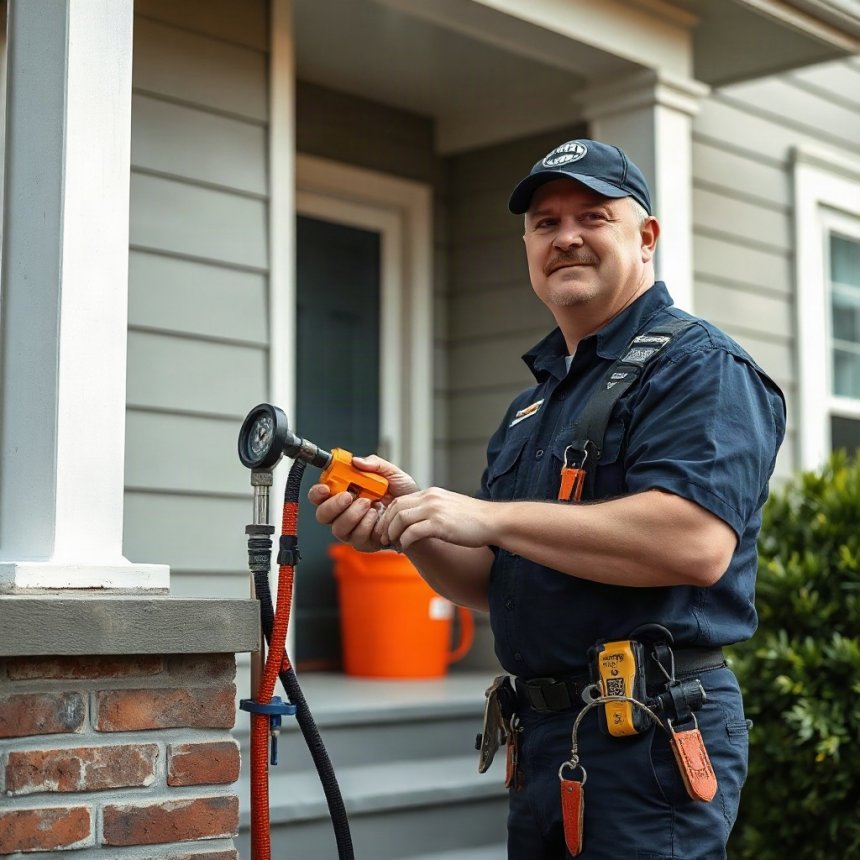
- Attach a water pressure gauge (available at most hardware stores) to an outdoor hose bib to measure your actual static water pressure in pounds per square inch (PSI). Normal residential pressure typically falls between 40 and 80 PSI.
When to Seek Professional Diagnosis
If your pressure gauge reads well below normal, cleaning aerators does not help, and your main valves are fully open, the issue likely involves your PRV, a hidden leak, or municipal supply restrictions. A professional plumber can perform static and dynamic pressure tests to pinpoint whether the pressure drop originates at the city meter, your home's pressure regulator, or within aging supply piping.
Understanding your home's plumbing layout and recognizing the difference between a simple mineral-clogged aerator and a failing pressure regulator helps you make informed decisions, avoid unnecessary expenses, and keep your water flowing smoothly.