How to Know When a Water Heater Has Too Much Mineral Buildup
Is your water heater making popping sounds or running out of hot water quickly? Learn the key warning signs of mineral sediment buildup and how to flush your tank.

How to Know When a Water Heater Has Too Much Mineral Buildup
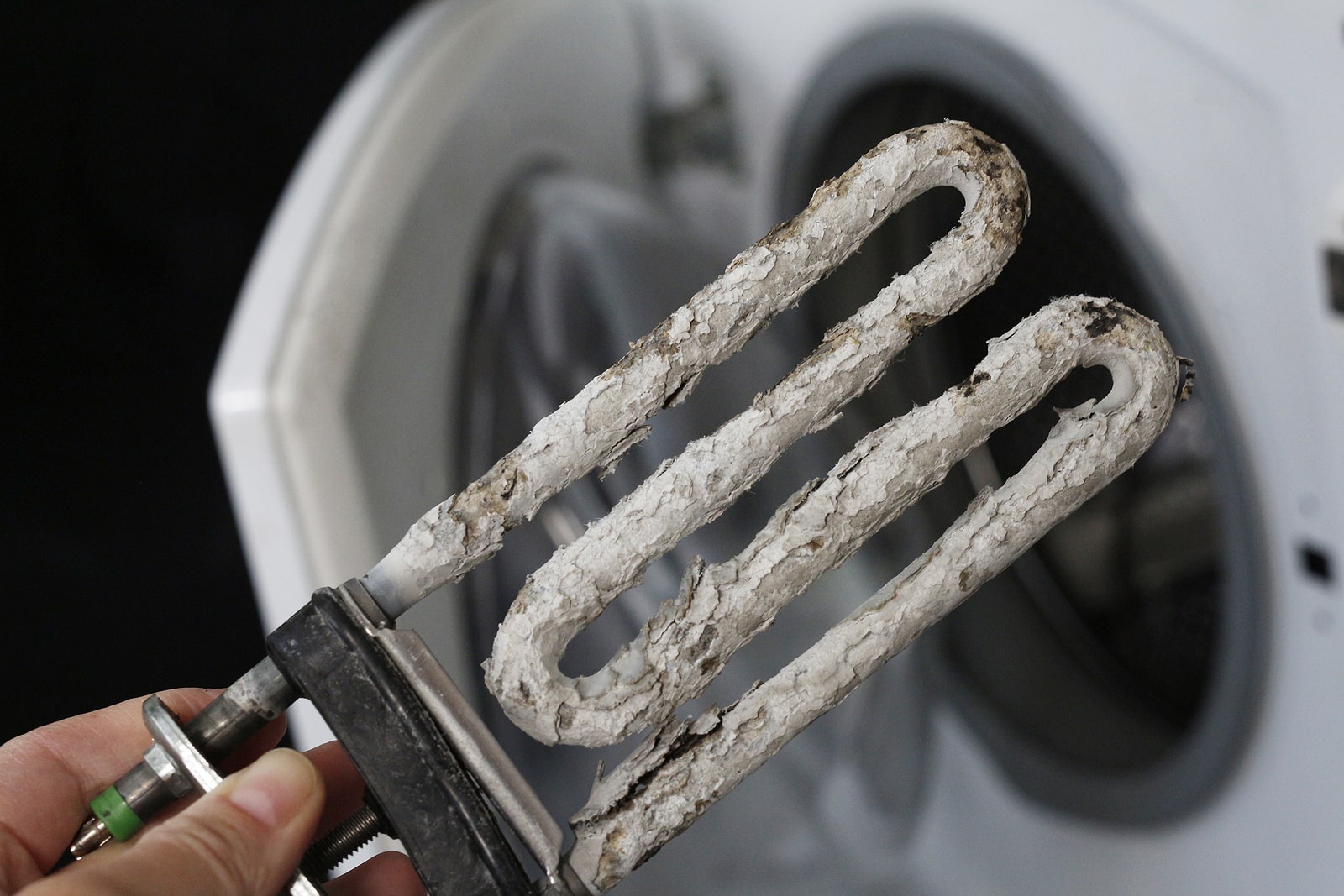
If you live in an area with hard water, your water heater works constantly against an invisible enemy: dissolved minerals like calcium and magnesium. Every time your water heater warms up a fresh tank of water, these minerals settle out of the liquid and sink to the bottom as solid sediment.
Over time, this layer of scale forms a thick, insulating blanket over gas burners or buries electric heating elements. Knowing the warning signs of excessive sediment buildup allows you to flush your tank before it leads to tank leaks, element failure, or skyrocketing utility bills.
Top Warning Signs of Excessive Mineral Buildup
1. Rumbling, Popping, or Kettling Noises
The most common indicator of sediment buildup is a loud popping or cracking sound coming from the tank while it heats up. As water gets trapped beneath the dense layer of mineral scale at the bottom of the tank, it boils into steam. The popping sound is caused by steam bubbles bursting through the hardened sediment layer.
2. Hot Water Runs Out Quickly
As mineral scale accumulates, it takes up valuable space inside the tank. A tank full of several inches of sediment holds significantly less hot water, causing your showers to turn lukewarm much faster than before.
3. Water Takes Much Longer to Heat
Because mineral scale acts as a thermal insulator, the heat from your burner or heating element cannot easily transfer into the water. Your unit will have to run twice as long to heat the same amount of water, drastically increasing energy consumption.
4. Smelly, Discolored, or Sandy Tap Water
When sediment layers become thick, small particles begin breaking off and traveling through your home's hot water lines. You may notice tiny yellow, brown, or white sand-like grains clogging faucet aerators, or cloudy, rusty-colored water coming from the hot tap.
How to Test and Clear Mineral Sediment
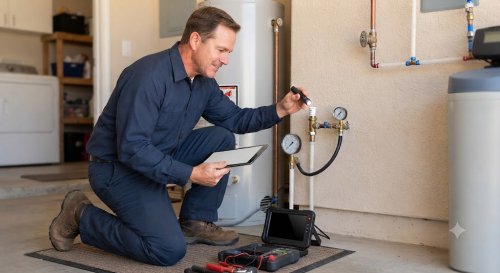
If you suspect your water heater is choked with scale, flushing the tank is the best way to restore efficiency and extend its service life.
Symptom vs. Severity Summary
| Symptom | Cause | Recommended Action |
| Popping or crackling noise | Trapped water boiling beneath scale | Perform a full tank drain and flush |
| Slightly lower hot water volume | Early-stage sediment accumulation | Flush tank and inspect anode rod |
| Sandy particles in aerators | Sediment breaking apart in lines | Clean aerators and flush water heater |
| Leaking around drain valve | Mineral grains trapped in valve seat | Flush valve and replace drain spigot if necessary |
The Bottom Line: Don't ignore rumbling or popping sounds coming from your water heater. Flushing your tank at least once a year removes mineral buildup, lowers energy bills, and protects your unit from premature failure.