What to Do Immediately When a Pipe Bursts in Your Home
n: A burst pipe can flood your home in minutes. Learn the immediate steps to take, how to shut off your water, and when to call an emergency plumber in Bullhead City.

Introduction
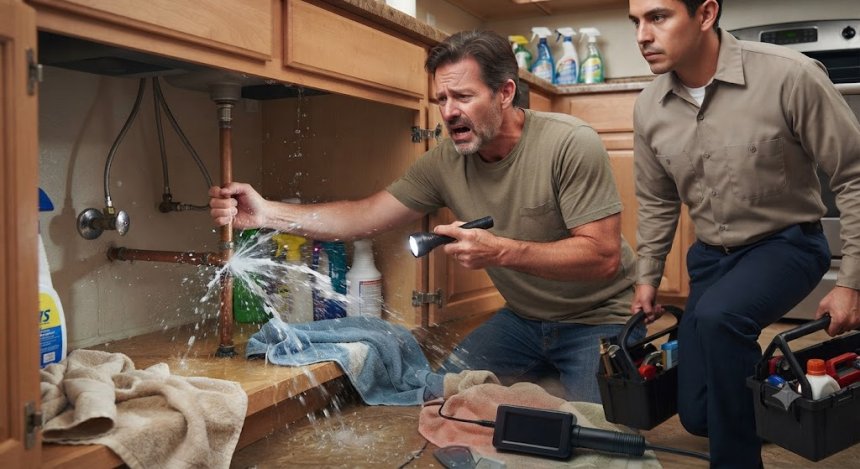
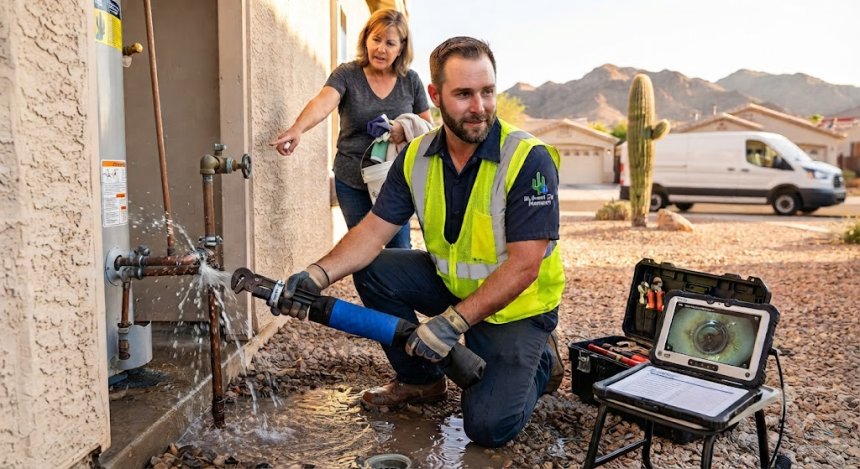
The sound is unmistakable—a rushing, gushing noise that doesn't stop. You follow it to find water spraying from a pipe, soaking your walls, floors, and belongings. In the span of just a few minutes, a burst pipe can release hundreds of gallons of water into your home, causing thousands of dollars in damage.
Bullhead City homeowners face unique risks when it comes to burst pipes. While many people associate burst pipes with freezing temperatures, the desert heat can cause its own set of problems. Extreme heat causes pipes to expand and contract, high water pressure stresses aging plumbing, and hard water accelerates corrosion from the inside out.
In 2023 alone, water damage accounted for roughly 30% of all homeowner insurance claims . The average cost of a water damage claim was over $11,000, and claims involving burst pipes can be significantly higher.
This guide will walk you through exactly what to do when a pipe bursts in your Bullhead City home. The steps you take in the first few minutes can mean the difference between a manageable cleanup and a full-blown disaster.
What Causes Pipes to Burst in Bullhead City?
Understanding why pipes burst can help you prevent it. In Bullhead City, several factors contribute to pipe failures:
Extreme Heat and Thermal Expansion
Bullhead City summers regularly exceed 110 degrees Fahrenheit. When water heats up inside your pipes, it expands. This increases pressure throughout your plumbing system, stressing joints and weak points . Older pipes or those with existing corrosion can't always handle this extra pressure.
High Water Pressure
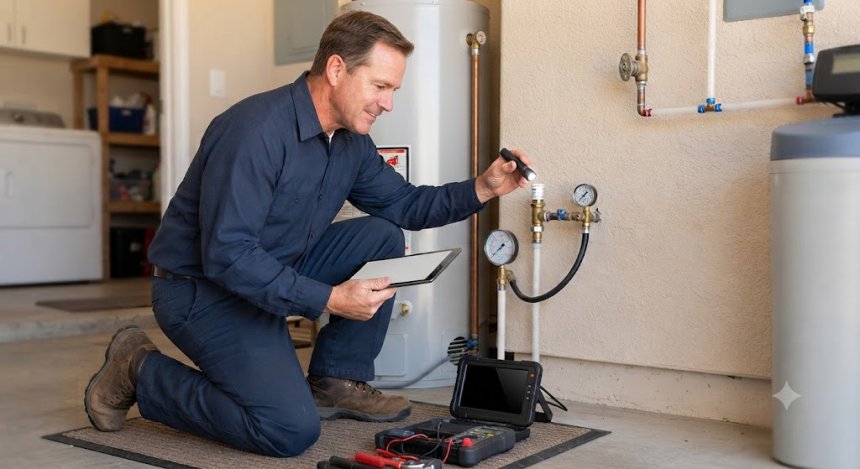
High water pressure is one of the leading causes of burst pipes. The standard water pressure for most homes is 40-60 psi. If your pressure exceeds 80 psi, you're at risk . Bullhead City residents sometimes experience pressure spikes from the municipal supply, and without a pressure regulator, this can stress pipes to the breaking point.
Aging and Corroded Pipes
Many Bullhead City homes have aging plumbing infrastructure. Galvanized steel pipes corrode from the inside out over time, and the constant heat accelerates this process . When pipes become thin and brittle from years of corrosion, they're vulnerable to sudden failure.
Shifting Soil
Arizona's expansive clay soils shift as they dry out in the summer and absorb moisture during monsoons. This movement stresses underground pipes and can cause them to crack or separate at joints .
Hard Water Damage
Bullhead City's hard water contains high levels of calcium and magnesium. These minerals build up inside pipes, creating scale that restricts water flow and increases pressure behind the blockage . This combination of restricted flow and increased pressure is a recipe for pipe failure.
Immediate Steps When a Pipe Bursts
A pipe bursting is a crisis. You have to act fast, but you also have to act smart. Here's a step-by-step guide for what to do in those critical first minutes.
Step 1: Shut Off the Main Water Valve Immediately
This is the single most important step. Your main shut-off valve controls the flow of water into your entire house. By closing it, you stop the water that's feeding the burst and prevent further flooding . You should never have to search for this valve during an emergency.
-
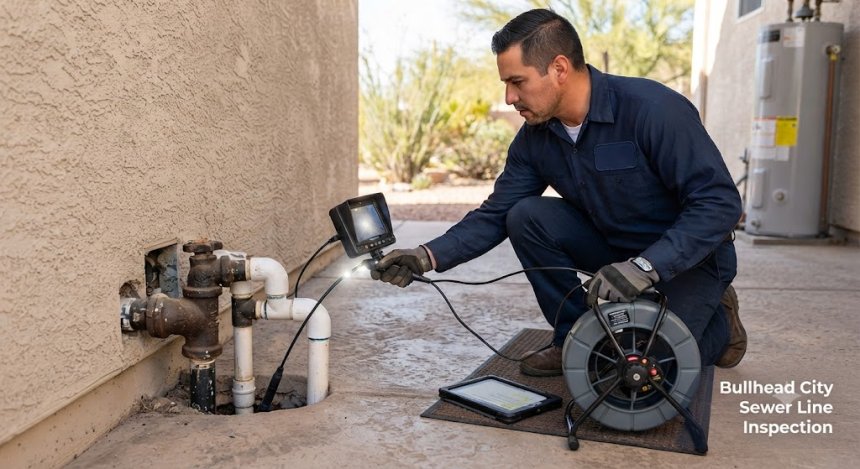
Locate it now: In many Bullhead City homes, the valve is located near the water meter, in a box close to the street, on an exterior wall near the front of the house, or in the garage .
-
Operate it: If it has a lever handle, a quarter-turn so the handle is perpendicular to the pipe will shut it off. If it has a wheel handle, turn it clockwise until it stops .
Step 2: Turn Off Your Water Heater
After the water supply is off, switch off the power or gas supply to your water heater . If the water heater runs dry while it's still heating, the heating element can overheat and break or even start a fire . On gas heaters, turn the thermostat to the "pilot" setting. On electric heaters, flip the circuit breaker.
Step 3: Open Faucets to Relieve Pressure
Once the water is off, turn on all your cold-water faucets . This will drain the remaining water from the pipes and relieve any built-up pressure in the system. It also helps identify which lines are affected. If water continues to flow, you may not have fully shut off the main valve.
Step 4: Turn Off the Electricity in Affected Areas
Water and electricity are a dangerous combination. If the burst pipe is near any electrical outlets, switches, or appliances, turn off the circuit breaker for that area. Do not touch any electrical device with wet hands or while standing in water.
Step 5: Remove Standing Water
Standing water needs to be removed as quickly as possible. According to the EPA's mold prevention guidelines, mold can begin developing on wet materials within 24 to 48 hours . Use a mop, towels, buckets, or a wet/dry shop vac to begin removing the water .
Safety First: Know the Risks
Danger of Electrical Shock
Water conducts electricity. If water from a burst pipe reaches outlets, switches, or appliances, there's a serious risk of electrocution . If you're not sure it's safe, stay out of the area and call a professional.
Danger of Mold
Mold requires moisture to grow, and a burst pipe provides plenty of it. The EPA warns that mold can develop within 24 to 48 hours of water exposure . Quick removal of water and drying of materials is essential for preventing mold growth.
Danger of Contaminated Water
If the burst pipe is a sewer line or if the water has passed through contaminated areas, it's a biohazard. Do not wade through it. Call a professional for water extraction and cleanup.
Who to Call First
In most burst pipe situations, you'll need to call at least two professionals:
-
Emergency Plumber: Once the water is off, call a licensed Bullhead City plumber. They will inspect the damage, locate the source of the leak, and provide a plan and estimate for repair. At a minimum, they'll recommend replacing the damaged section of pipe, but if your pipes are old or fragile, they may suggest a whole-house repipe .
-
Water Damage Restoration Company: If a significant amount of water has spilled into your home, the plumber is not responsible for drying it. You'll need a water damage restoration company. They'll bring industrial fans and dehumidifiers to dry the structure. They may also remove wet drywall, insulation, and flooring, and treat the area to prevent mold.
Temporary Fixes to Stop the Leak
If you're waiting for a plumber and you can't fully shut off the water, here are a couple of temporary measures you can attempt. These are NOT permanent fixes.
Pipe Repair Clamps
A pipe repair clamp has a rubber gasket that seals over a leak point. When you tighten the clamp, the gasket compresses against the pipe . It can stop a leak on metal, plastic, and multi-layer pipes. If you're in a pinch and can't find a repair clamp, you might try a rubber piece, like a cut-up garden hose or a bicycle inner tube, held in place with hose clamps to stop the leak until a plumber arrives .
Epoxy Putty
Epoxy putty is a thick, clay-like substance that can be molded over a leak and hardens to create a temporary seal. It only works on relatively small leaks and on dry surfaces . For the epoxy to stick, the pipe must be clean and dry before applying it, which may be hard to achieve if it's actively leaking . This fix is strictly temporary to stop the leak for a few hours until a plumber arrives.
What Not to Do
-
Don't use chemical drain cleaners: They are corrosive and can damage pipes even further .
-
Don't touch electrical appliances or switches: If standing water is present, stay away from electricity.
-
Don't panic: You need to stay calm to make good decisions.
-
Don't delay calling a professional: The sooner a plumber arrives, the better .
Long-Term Prevention Strategies
After the immediate crisis is over, take steps to prevent future bursts:
-
Insulate your pipes: This protects against temperature extremes .
-
Maintain consistent temperatures: Keeping your home's thermostat at a consistent temperature can reduce stress on pipes .
-
Know your shut-off valve: Every adult in the house should know where it is and how to use it.
-
Schedule annual plumbing inspections: A professional can catch small problems before they become major ones .
-
Monitor water pressure: Keep your water pressure between 40-60 PSI to reduce stress on pipes .