Troubleshooting Low Water Pressure in Bullhead City Homes
Learn how to diagnose and troubleshoot low water pressure in your Bullhead City home. Discover local hard water factors, check for clogs, and find the source.


Understanding Low Water Pressure in Your Home
Dealing with a weak stream from your showerhead or a sluggish kitchen faucet is more than just an annoyance—it can disrupt daily routines and hint at underlying plumbing issues. When water pressure drops, the first step toward a solution is determining whether the problem is isolated to a single fixture or affecting the entire house.
In regions like Bullhead City, Arizona, where the local water supply carries a high mineral content, water pressure issues often develop gradually. Knowing how to systematically check your plumbing system can help you pinpoint the restriction and decide whether it requires a simple cleaning or professional evaluation.
Single Fixture vs. Whole-House Low Pressure
The most important diagnostic clue is the scope of the problem. Turning on multiple taps throughout your home will quickly tell you where the restriction originates.
- Isolated Low Pressure: If only one sink or shower has weak pressure, the issue is almost always local to that specific fixture. Common culprits include a clogged aerator, a partially closed supply valve under the sink, or mineral scale buildup inside the showerhead.
- Whole-House Low Pressure: If every tap, shower, and appliance in the home experiences a weak flow, the restriction lies within the main water supply line, the main shutoff valve, or the pressure-reducing valve (PRV).
Common Causes of Localized Pressure Drops
When a single faucet or shower loses pressure, you can often resolve the issue yourself without calling a plumber.
1. Clogged Aerators and Showerheads
Aerators are small mesh screens threaded onto the ends of faucets to mix air into the water stream and prevent splashing. In Bullhead City homes, the high mineral content in the water—specifically calcium and magnesium—causes hard water scale to accumulate rapidly inside these screens. Over time, mineral deposits choke off the water flow.
To check an aerator, unscrew it from the tip of the faucet. If you see white, crusty buildup, soak it in a small container of white vinegar for 30 minutes, scrub it gently with an old toothbrush, and rinse it out before screwing it back on. Showerheads can be inspected and cleaned the same way, or submerged in a vinegar-filled plastic bag secured with a rubber band overnight.
2. Partially Closed Supply Valves
Underneath sinks, look at the miniature shutoff valves connected to the wall supply lines. If someone bumped the handle during cleaning or storage, a valve might be partially closed, restricting the volume of water reaching the faucet.
Whole-House Pressure Issues and Hidden Culprits
If your entire house has low water pressure, the investigation requires looking closer at your main incoming water supply and pressure regulation equipment.
The Pressure-Reducing Valve (PRV)
Most homes connected to municipal water supplies utilize a pressure-reducing valve (PRV) located near where the main water line enters the property. This bell-shaped brass device prevents high city water pressure from damaging your home's indoor plumbing.
Over 10 to 15 years, the internal springs and rubber diaphragms inside a PRV wear out or become clogged with mineral debris. When a PRV fails, it typically restricts water flow completely or causes pressure to fluctuate wildly. Adjusting the top bolt on a PRV can sometimes temporarily restore pressure, but a failing valve generally requires replacement by a professional.
Main Shutoff Valve Restrictions
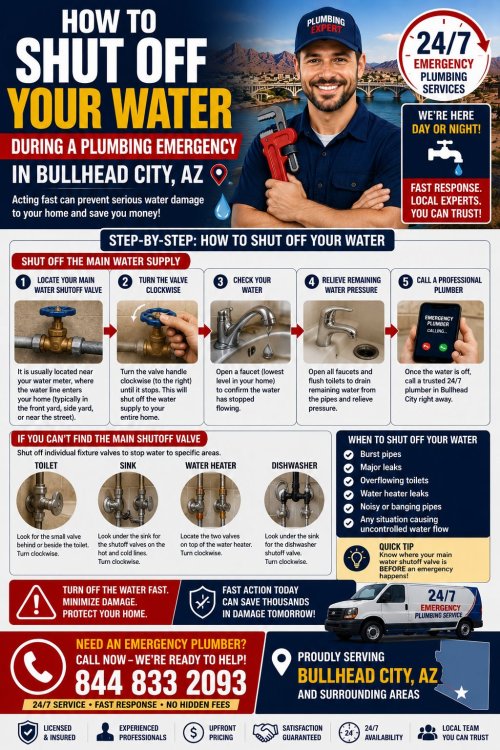
Check both the municipal meter shutoff (usually near the property line inside a utility box) and your main house shutoff valve. If either valve is not fully open, water volume will be severely restricted throughout the entire property.
Mineral Scale in Galvanized or PEX/Copper Pipes
Older homes built with galvanized steel piping are particularly vulnerable to internal corrosion. Over decades, mineral buildup narrows the interior diameter of the pipes, choking off water volume just like cholesterol clogging an artery. While modern PEX and copper piping resist this type of scaling better, hard water can still deposit scale inside fittings and valves over time, especially around water heater inlets and outlets.
When a Drop in Pressure Requires Prompt Attention
While gradual pressure drops are frequently caused by mineral scaling or a worn PRV, sudden and drastic pressure loss can indicate a more serious underlying event:
- A major hidden water leak beneath the slab or inside a wall.
- A sudden municipal water main break or scheduled utility repair in your neighborhood.
- A failing well pump pressure switch or clogged sediment filter (for properties on private wells).
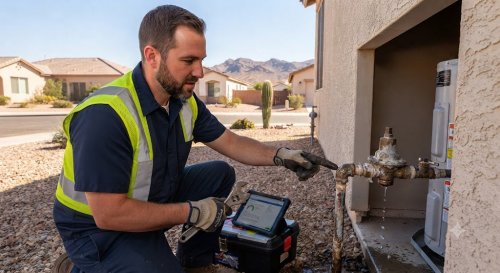
If your water pressure drops to a trickle overnight without a clear explanation, check with neighbors to see if they are experiencing similar issues. If the utility company is not working in the area and your main valves are fully open, a professional diagnostic test using a pressure gauge attached to an outdoor hose bibb can confirm whether the issue originates on your property.
Practical Next Steps for Homeowners
Before spending money on extensive plumbing repairs, take a methodical approach to diagnosing your water pressure:
- Test multiple faucets and outdoor hose bibbs to determine if the issue is whole-house or local.
- Remove and clean faucet aerators and showerheads to clear out hard water mineral scale.
- Verify that all supply valves, under-sink valves, and the main shutoff valve are turned entirely to the open position.
- Check your water heater inlet valve to ensure it is fully open.
If these basic checks do not reveal the source of the restriction, or if you suspect a failing pressure-reducing valve or hidden leak, scheduling a professional pressure test will give you a clear and accurate assessment of your plumbing system's health.