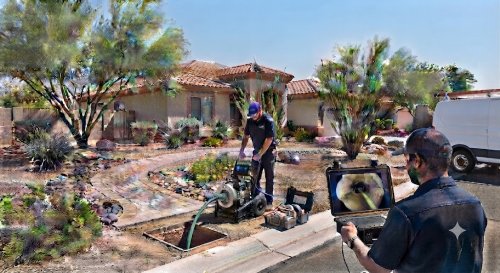
Troubleshooting Low Water Pressure in a Bullhead City Home
Learn how to diagnose and troubleshoot low water pressure in your Bullhead City home. Discover whether the issue is fixture-specific or a whole-house problem.

Understanding Low Water Pressure in Your Home
Dealing with a weak trickle from your showerhead or kitchen faucet is frustrating, especially when you are trying to get ready for the day. When water pressure drops, the first step toward fixing the issue is determining whether the problem affects just a single fixture or your entire house. In a community like Bullhead City, Arizona, where regional water conditions heavily influence plumbing longevity, understanding the underlying cause can save you time, effort, and unnecessary repair expenses.
This guide will walk you through practical, safe steps to isolate the issue, identify common culprits—including local factors like hard water mineral accumulation—and determine when a situation calls for professional attention.
Step 1: Determine If It Is Isolated or Whole-House
The most important diagnostic clue is the scope of the problem. Ask yourself: Is only one faucet affected, or is every water source in the home experiencing low pressure?
- Single-Fixture Issue: If only one bathroom sink, shower, or toilet supply line has low pressure, the problem is almost always localized to that specific fixture. The issue is rarely a main supply problem.
- Whole-House Issue: If every faucet, shower, and outdoor hose bib throughout the property has suddenly or gradually lost pressure, the problem originates at the main water supply line, the home's pressure reducing valve (PRV), or the municipal water meter.
Common Causes of Single-Fixture Low Pressure
If your low pressure is confined to a single location, you can often investigate and resolve it yourself without special plumbing tools.
1. Clogged Aerators and Showerheads
Bullhead City draws water from the Colorado River system, which naturally carries minerals like calcium and magnesium. Over time, as water evaporates from the tips of faucets or shower nozzles, these minerals crystallize and form hard, white crusts known as scale.
This buildup physically blocks the tiny holes where water exits. Unscrewing a faucet aerator or soaking a detachable showerhead in a mild descaling solution overnight will frequently restore full flow instantly.
2. Partially Closed Supply Stop Valves
Underneath sinks and behind toilets, you will find small shutoff valves. If someone bumped one of these valves during cleaning or maintenance, it may be partially closed. Check beneath the affected fixture to ensure the handle or lever is turned fully parallel to the supply line.
Common Causes of Whole-House Low Pressure
If your entire house has weak water flow, the causes are more systemic and often require specialized testing equipment.
1. The Pressure Reducing Valve (PRV)
Most residential properties use a pressure reducing valve where the main water line enters the home. This brass device protects your internal plumbing fixtures from excessively high municipal water pressure. When a PRV fails, it often fails in the closed position, choking off water flow to a trickle throughout the entire house.
A plumber can attach a pressure gauge to an outdoor hose bib to test the exact PSI (pounds per square inch) coming into the home and determine if the PRV has failed.
2. Hard Water Scale Inside Older Pipes
Mineral accumulation does not just affect aerators; it can also narrow the interior diameter of home water supply pipes over decades. Galvanized steel pipes are particularly notorious for internal mineral restriction. As the effective pathway for water narrows, overall flow drops noticeably.
3. Main Shutoff Valve Restrictions
Check the main water shutoff valve, typically located near the water meter or where the main line enters the exterior wall of the home. If this valve is not fully open, it will restrict the volume of water entering your home's plumbing network.
What Homeowners Commonly Overlook
When troubleshooting low water pressure, it is easy to overlook simple external factors:
- Municipal Work: Local utility maintenance or repairs on nearby water mains can temporarily reduce pressure in an entire neighborhood. Check if your neighbors are experiencing similar symptoms before assuming the fault is inside your home.
- Seasonal Demand: During peak summer months in the desert southwest, municipal water demands rise significantly due to irrigation and cooling systems, which can cause slight fluctuations in supply pressure during peak hours.
Safety and Professional Diagnosis
While cleaning an aerator or checking a shutoff valve is a safe DIY task, working on main water lines, replacing a PRV, or cutting into residential supply piping requires specialized tools, proper shutoff procedures, and local plumbing knowledge. If you have tested your fixtures, cleared all accessible aerators, and confirmed that your main valves are fully open, a professional plumbing inspection utilizing pressure testing gauges is the safest way to identify and correct the underlying restriction.