Trenchless Sewer Repair:
Bullhead City plumber explains trenchless sewer repair benefits, how pipe lining works, cost factors, and why it saves your landscaping from destruction.

Trenchless Sewer Repair: Why It Saves Your Bullhead City Landscaping
Your yard is an investment. That desert landscaping you've carefully curated—the palo verde trees, the gravel pathways, the irrigation system—represents both time and money. When your sewer line fails, the traditional repair method involves digging a massive trench right through it.
Imagine heavy equipment tearing up your front yard, uprooting your plants, and leaving a moonscape behind. That's the old way of repairing sewer lines.
Trenchless sewer repair changes everything. It fixes your broken sewer line with minimal excavation, preserving your landscaping and saving you the headache of restoring your yard. For Bullhead City homeowners with established landscaping, it's often the only sensible choice.
In this guide, we'll explain how trenchless technology works, when it's the right option, and why it might be the best decision you make for your property.
What Is Trenchless Sewer Repair?
Trenchless sewer repair is exactly what it sounds like—fixing or replacing a damaged sewer pipe without digging a long trench across your property. Instead of excavating the entire length of the pipe, plumbers use specialized techniques to repair the line from the inside or by accessing it through small access points.
There are two main types of trenchless sewer repair:
-
Pipe lining (Cured-in-Place Pipe or CIPP): A flexible tube coated with epoxy resin is inserted into the damaged pipe. It's inflated and allowed to cure, creating a new pipe inside the old one. This essentially gives you a brand-new pipe within your existing pipe.
-
Pipe bursting: A cone-shaped bursting head is pulled through the old pipe, breaking it apart. As it moves forward, a new pipe is pulled in behind it, replacing the old one. This method replaces the entire pipe without digging it up.
Both methods are highly effective and have been used successfully for decades. They were developed to address the growing need to repair infrastructure without destroying streets, sidewalks, and landscaping.
Why Do Sewer Lines Fail in Bullhead City?
Understanding why your sewer line failed can help you prevent future issues. Here are the most common causes we see in Bullhead City.
Tree Root Intrusion
This is the number one cause of sewer line damage in Bullhead City. Trees are naturally drawn to water and nutrients. If there's even a tiny crack or loose joint in your sewer line, roots will find it and grow inside. Over time, roots expand, blocking flow and eventually cracking the pipe. The warmer climate here means trees grow year-round, constantly seeking moisture.
Aging Pipes
Many homes in Bullhead City were built with cast iron, clay, or Orangeburg (a type of tar-impregnated paper) pipes. These materials have a lifespan. Cast iron corrodes from the inside out. Clay pipes crack and separate. Orangeburg pipes collapse. If your home is over 40 years old, your sewer line might be nearing the end of its useful life.
Corrosion
Even modern materials corrode over time. Chemical reactions between the pipe material and the waste it carries—or the soil it sits in—break down the pipe walls. In Bullhead City, soil conditions can accelerate this process.
Ground Movement
The Colorado River region experiences shifting soil. Expansive clay soils expand when wet and shrink when dry. This movement puts stress on underground pipes, causing them to crack, separate, or shift out of alignment.
High Water Pressure
While more common in supply lines, excessive water pressure can stress your entire plumbing system, including the sewer line. It's less common but can contribute to pipe failure.
Poor Installation or Materials
Some sewer lines weren't installed to proper specifications. Shallow burial depth, improper bedding, or use of substandard materials all shorten the life of the line.
Signs You Should Never Ignore
A failing sewer line rarely fails silently. Here are the warning signs.
-
Recurring drain clogs: If you're calling a plumber for the same clog repeatedly, it's often a sewer line issue, not a simple drain blockage.
-
Multiple drains backing up: When more than one drain—like a toilet and a shower—backs up at the same time, it indicates a main line blockage.
-
Gurgling sounds: Bubbling or gurgling noises coming from your toilet or drains when water runs elsewhere suggests air trapped in the line, often from a blockage.
-
Foul odors: Sewer smells around your property, especially near the front yard or your drains, indicate a crack or a backup.
-
Lush patches of grass: If one area of your lawn is unusually green or lush, it might be getting extra water and nutrients from a sewer leak. This is a classic sign.
-
Soggy spots in the yard: Conversely, wet or sunken spots in the yard can indicate a leaking sewer line.
-
Foundation cracks or settling: Sewer line leaks can wash away soil beneath your foundation, leading to settlement cracks.
-
Pest infestations: Rats, roaches, and other pests are drawn to sewer leaks and the organic matter they carry.
Why Trenchless Repair Is Better for Your Property
The primary advantage of trenchless sewer repair is what you don't see—the damage. But there are other important benefits.
Preservation of Landscaping
This is the biggest reason Bullhead City homeowners choose trenchless. Your landscaping is not just grass—it's hardscaping, mature trees, and maybe even a pool or patio. Traditional excavation would tear all of that up. Trenchless repairs preserve your property's curb appeal and your investment in landscaping.
Less Disruption
Traditional sewer repair is a construction project. It's noisy, messy, and takes days. Trenchless repair is quieter, cleaner, and usually completed within a day or two. Your daily life is much less affected.
Faster Completion
Most trenchless repairs are finished in one or two days. Traditional excavation can take a week or more, especially with repair and restoration of the landscape.
Cost-Effective in the Long Run
While the upfront cost of trenchless repair might be similar to or slightly higher than traditional methods, you save significantly on landscape restoration. No need to hire landscapers to replant, sod, or rebuild hardscaping.
Durable and Long-Lasting
The materials used in trenchless repair, especially the epoxy resin liners, are incredibly durable. They're resistant to corrosion, root intrusion, and the wear from daily use. Many have a lifespan of 50 years or more.
How the Professional Repair Process Works
Here's what to expect when you schedule a trenchless sewer repair in Bullhead City.
Step 1: Inspection
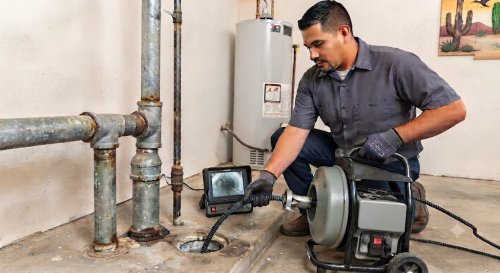
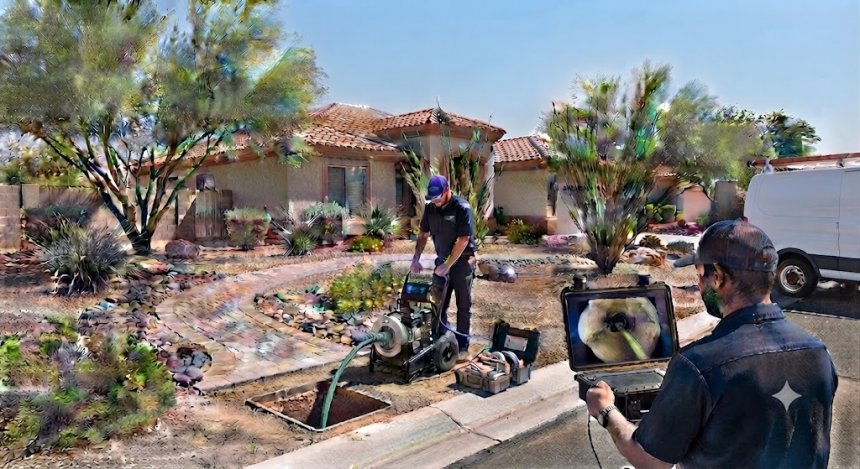
The process begins with a video camera inspection. A small, waterproof camera is pushed through your sewer line. This shows the plumber exactly where the damage is, what type it is, and its severity. This determines whether trenchless repair is suitable.
Step 2: Diagnosis and Estimate
Based on the inspection, the plumber diagnoses the problem and provides an estimate. They'll explain the specific trenchless method recommended—lining or pipe bursting—and why it's appropriate for your situation.
Step 3: Preparation
For pipe lining, the plumber will clean the inside of your pipe using hydro jetting or mechanical cleaning to prepare it for the liner. For pipe bursting, they'll establish access points at either end of the damaged section.
Step 4: The Repair
-
For pipe lining: A resin-saturated liner is inserted into the pipe. It's inflated and then cured using steam, hot water, or UV light. Once cured, it forms a smooth, durable new pipe inside the old one.
-
For pipe bursting: A bursting head is pulled through the old pipe. It shatters the old material and pushes it outward into the surrounding soil. A new pipe is pulled in behind the bursting head.
Step 5: Testing and Verification
After the repair, a final camera inspection ensures the new pipe is properly installed and flowing freely. The plumber will also test the connection to the municipal sewer system.
Step 6: Cleanup
Trenchless repair is remarkably clean. The only excavation is for small access pits, which are backfilled and restored.
Can You Fix a Sewer Line Yourself?
No. Absolutely not. Sewer line repair is not a DIY project.
-
It involves working with heavy equipment
-
It's illegal in most areas without proper permits
-
Working with sewer systems poses serious health risks
-
The specialized equipment is not available to homeowners
-
Mistakes can create even larger problems
If you suspect a sewer line issue, your only safe course is to call a licensed plumber.
Tools Professionals Use
Trenchless repair relies on sophisticated technology.
Video inspection cameras: The most important tool, providing visual confirmation of pipe condition.
Hydro jetting equipment: Prepares pipes for lining by removing scale, grease, and debris.
Epoxy resin systems: Specially formulated resins for pipe lining applications.
Pipe bursting equipment: Hydraulic pulling machines and specialized bursting heads.
Curing systems: Steam, hot water, or UV lamps used to cure the epoxy liner.
Pipe locators: To locate and mark the path of underground pipes without excavation.
How Long Does the Repair Usually Take?
Most trenchless repairs are completed within one to two days.
-
Pipe lining: Typically takes 4 to 8 hours from start to finish, with a few hours of curing time.
-
Pipe bursting: Usually takes 6 to 10 hours, depending on the length and conditions.
-
Complex cases: If there's significant damage or multiple complications, it can take longer.
Cost Factors
The cost of trenchless sewer repair varies widely based on several factors.
-
Length of repair: The cost is often calculated per foot. Longer lines cost more.
-
Depth of the pipe: Deeper pipes require more work and equipment.
-
Accessibility: If the access points are difficult to reach, expect higher costs.
-
Type of repair: Pipe lining generally costs less than pipe bursting.
-
Pipe diameter: Larger pipes require more material.
-
Soil conditions: Rocky or unstable soil increases difficulty.
-
Emergency service: After-hours, weekend, or holiday calls usually cost more.
-
Permits: Mohave County may require permits for sewer work.
Plumbing repair costs in Bullhead City vary depending on the severity of the problem, accessibility, materials required, and labor rates. Trenchless repairs are competitive with traditional methods, especially when you factor in landscape restoration.
Hidden Truths Homeowners Should Know
Here are realities about sewer line repair that most homeowners only learn the hard way.
Small cracks become big failures. A tiny crack lets in roots. Roots grow, widening the crack. Eventually, the pipe collapses.
Tree roots are relentless. Even after trenchless repair, nearby trees will still seek out the new pipe if it's close to the surface. It's wise to consider root barriers or tree removal in some cases.
Insurance may not cover sewer line repairs. Many homeowner policies exclude sewer lines or offer limited coverage. Check your policy.
Chemical drain cleaners accelerate damage. These products corrode pipes from the inside, making sewer line failure more likely. Avoid them completely.
Delaying repair causes more damage. A sewer line leak can undermine your foundation, leading to structural damage that costs far more than the plumbing repair.
Maintenance prevents problems. Annual camera inspections can catch small issues before they become costly disasters.
15 Common Mistakes Homeowners Make
-
Ignoring the signs of a failing sewer line: Gurgling sounds and slow drains aren't minor issues—they're warnings.
-
Using chemical drain cleaners: These damage your pipes and are ineffective on main line blockages.
-
Flushing wipes: They don't break down and cause clogs.
-
Pouring grease down drains: This contributes to clogs that can affect your main line.
-
Ignoring water pressure issues: A drop in pressure can indicate a leak in your supply line—a separate but related concern.
-
Hiring unlicensed plumbers: Always verify licensing and insurance before hiring a contractor.
-
Skipping regular maintenance: Annual inspections catch problems early.
-
Waiting until emergencies: A slow drain today is a backup tomorrow.
-
Assuming trenchless repair is always the answer: It's a great option, but not suitable for every situation.
-
Not checking for permits: Sewer line work typically requires permits. Your plumber should handle this.
-
Planting trees near sewer lines: Choose trees with less aggressive root systems or consider root barriers.
-
Ignoring the smell: A sewer odor isn't just unpleasant—it's a warning sign of a problem.
-
Choosing price over quality: The cheapest option often fails sooner.
-
Not asking about warranties: Reputable plumbers guarantee their work.
-
Thinking sewer line issues are always obvious: Many problems develop slowly and go unnoticed for years.
Maintenance Tips for Your Sewer Line
Protect your sewer line and avoid costly repairs with these practical tips.
For All Homeowners
-
Schedule an annual video camera inspection if your home is over 30 years old.
-
Avoid flushing anything other than toilet paper and human waste.
-
Never pour grease, oil, or fat down any drain.
-
Use drain screens to catch hair and debris.
-
Consider installing a cleanout if you don't have one—it makes access easier for inspections and repairs.
-
Keep a maintenance log of all inspections and repairs.
For Homes with Trees
-
Learn where your sewer line runs and what trees are nearby.
-
Consider a root barrier to protect the pipe.
-
Have your sewer line inspected every two years, or annually if you have large trees.
-
Don't plant new trees near the sewer line.
Seasonal Advice
-
Spring: Inspect after winter to check for any damage.
-
Summer: Use a lot of water? Make sure your sewer line can handle it.
-
Fall: Clear leaves from storm drains to prevent backups.
-
Winter: Insulate exposed pipes to prevent freezing, though less common in Bullhead City.
When Should You Call an Emergency Plumber?
Call immediately if you experience any of these:
-
Sewage backing up into your home or yard
-
A total sewer line blockage causing multiple fixtures to back up
-
A collapsed sewer line causing a sinkhole or depression in your yard
-
Water coming up through floor drains
-
Raw sewage smell inside your home
Immediate action prevents health hazards, property damage, and potential legal liability.