Common Causes of Water Heater Pilot Light Failure & How to Troubleshoot
Learn why a water heater pilot light keeps going out. Explore common causes, safe troubleshooting steps, and local factors affecting gas water heaters in Bullhead City.

Understanding Water Heater Pilot Light Failure
A water heater pilot light that refuses to stay lit is one of the most common plumbing frustrations homeowners face. When you turn on a hot water tap and get freezing water instead, checking the pilot light is usually the first step. When a pilot light goes out once, it might simply be a fluke caused by a sudden draft. However, if it keeps going out repeatedly, it indicates an underlying mechanical, environmental, or supply issue that needs to be addressed rather than constantly relit.
In regions like Bullhead City, Arizona, where homes rely heavily on gas water heaters for dependable domestic hot water, understanding how these ignition systems function can save you time, frustration, and unnecessary expenses. Gas water heaters depend on a precise balance of gas supply, combustion air, and safety sensors to keep the burner operating safely.
1. A Failing or Misaligned Thermocouple
By far the most frequent culprit behind a pilot light that will not stay lit is a faulty thermocouple. The thermocouple is a vital safety device—a small copper probe positioned directly in the flame of the pilot light. As it is heated by the flame, it generates a tiny electrical current that signals the gas control valve to keep the main gas supply open.
Why Thermocouples Fail
- Carbon Buildup: Over time, soot or carbon deposits can insulate the probe, preventing it from detecting the heat of the flame properly.
- Misalignment: If the pilot flame does not lick the top third to half of the thermocouple tip, it will not generate enough voltage to keep the safety valve open.
- Internal Degradation: Like any metal component subjected to constant high heat, the internal dissimilar metals within the thermocouple eventually break down and lose their ability to conduct electricity.
What you can observe: If you hold down the pilot button, the flame lights successfully, but the moment you release the button after thirty seconds, the flame dies instantly, the thermocouple is almost always the failing component.
2. A Weak or Drafty Pilot Flame
The size and color of the pilot flame matter significantly. A healthy pilot flame should be sharp, steady, and predominantly blue with a slight hint of yellow at the tip. If the flame is weak, flickering, or yellow, it may not be hot enough to heat the thermocouple adequately.
Drafts can also blow out the flame. Water heaters installed in drafty garages, utility closets with louvered doors, or spaces with high-velocity HVAC return vents are particularly susceptible. Even a slight air current can pull the flame away from the thermocouple, triggering the safety shutoff.
3. Gas Supply and Pressure Issues
A gas water heater requires consistent pressure to maintain a steady pilot flame. If the gas pressure fluctuates or drops, the pilot flame shrinks and goes out.
Intermittent gas delivery can stem from utility supply variations, a failing gas pressure regulator on the home, or sediment partially blocking the gas control valve or pilot tubing. If you notice other gas appliances in the home experiencing irregular performance, the issue may extend beyond the water heater itself.
4. Faulty Gas Control Valves
Modern gas water heaters use sophisticated gas control valves (often featuring electronic ignition or integrated thermopile/thermocouple systems). If the internal electromagnetic switch inside the valve fails, it will refuse to keep the gas flowing even if a healthy thermocouple is sending the correct electrical signal.
When a gas control valve fails internally, cleaning or adjusting the pilot assembly will not resolve the issue; the valve assembly itself typically requires replacement by a qualified professional.5. Restricted Combustion Air and Venting Problems
Water heaters need a continuous supply of fresh air to support combustion. Modern atmospheric water heaters draw air from the surrounding room. If the room becomes tightly sealed due to home renovations, weatherstripping, or stored items blocking the clearance around the base of the water heater, the burner becomes starved for oxygen.
Furthermore, blocked or compromised venting systems can cause combustion gases to roll back, smothering the flame or tripping safety thermal rollout switches designed to protect your home from fire hazards.
Safe Troubleshooting Steps for Homeowners
Before taking action, safety is paramount. If you smell a strong odor of gas that persists, or if you suspect a gas leak, evacuate the area immediately, avoid operating electrical switches, and contact your gas utility provider or emergency services.
If there is no gas odor and you wish to investigate safely:
- Check the manufacturer instructions: Always follow the lighting instructions printed on the side of your specific water heater tank.
- Inspect the flame: Look through the view glass to check the color and size of the pilot flame.
- Clean the area gently: Ensure dust, lint, and pet hair are not blocking the lower intake screens around the base of the heater. In desert environments like Bullhead City, dust accumulation can choke off combustion air surprisingly fast.
- Test the release: Hold the pilot button down for the full recommended duration (usually 30 to 60 seconds) to allow the thermocouple to reach operating temperature before releasing.
When to Consider Professional Diagnosis
While relighting a pilot light is a routine maintenance task, recurring failures point to a mechanical defect. If you have cleaned the pilot assembly, verified that the flame engulfs the thermocouple, and ensured proper combustion airflow, yet the pilot still goes out within hours or days, professional intervention is necessary.
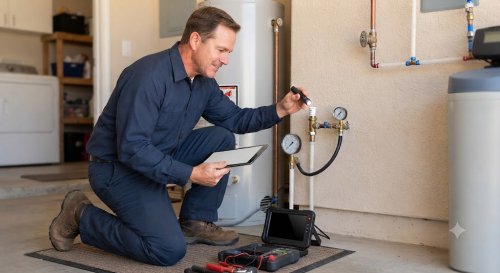
A licensed technician will use multimeters to test millivolt output from the thermocouple, check gas manifold pressures, and inspect the integrity of the gas control valve and venting pathways. Addressing these components correctly ensures your water heater operates safely and efficiently for years to come.