Troubleshooting Common Water Heater Problems in Bullhead City, AZ
Learn how to diagnose and handle frequent water heater issues in Bullhead City homes, from sediment buildup caused by hard water to pilot light failures.

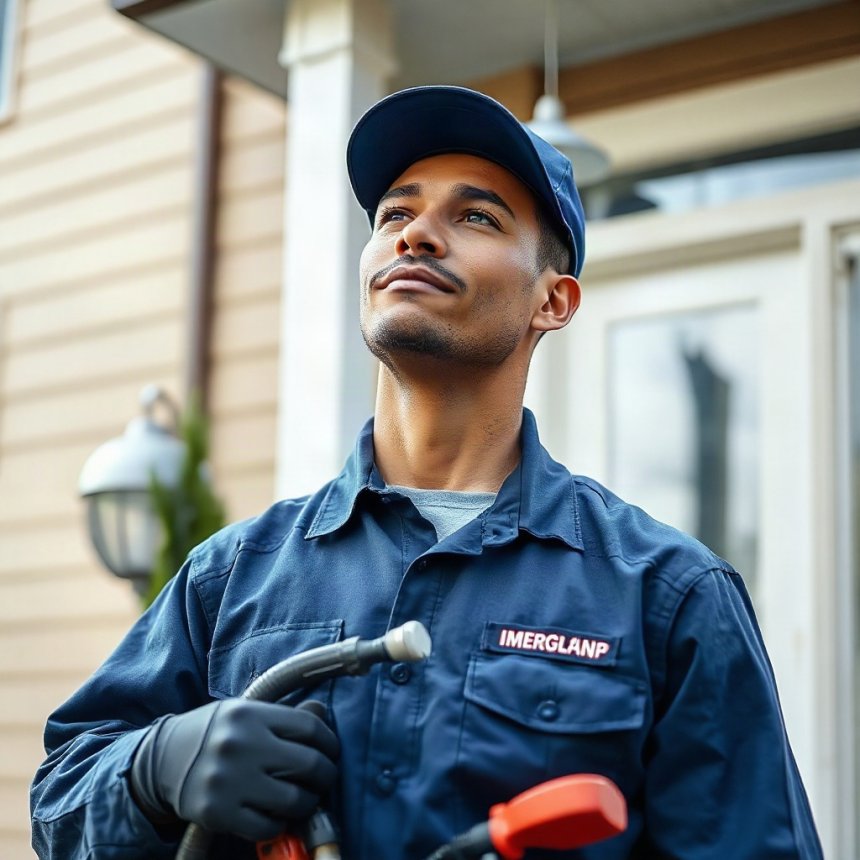
Understanding Water Heater Stress in the Desert Climate
When a water heater fails or acts up in Bullhead City, the disruption is immediately noticeable. Between daily domestic use and the unique regional water conditions, water heaters in the tri-state area work hard year-round. Understanding how these systems operate, why they commonly fail, and how to spot early warning signs can save property owners from unexpected cold showers and costly premature replacements.
Unlike appliances that wear out strictly based on age, water heaters face constant chemical and thermal stress. Recognizing the symptoms of a struggling unit helps homeowners determine whether a situation calls for simple maintenance, a specific part replacement, or a complete system upgrade.
The Impact of Hard Water on Storage and Tankless Units
The single most influential factor affecting water heater lifespan and performance in Bullhead City is water mineral content. Groundwater throughout the region contains elevated levels of dissolved minerals, primarily calcium and magnesium. When water is heated inside a tank or passed through a heat exchanger, these minerals drop out of the solution and solidify.
- Sediment Accumulation: In traditional tank-type water heaters, minerals settle at the bottom of the tank. Over time, this creates a physical barrier between the burner (in gas models) or the lower heating element (in electric models) and the water itself. This layer forces the appliance to run longer cycles to reach the desired temperature, driving up energy bills and overheating the steel tank bottom.
- Popping and Rumbling Noises: That characteristic rumbling or knocking sound coming from a gas water heater is actually trapped water boiling beneath a layer of heavy sediment. As steam bubbles try to force their way up through the mineral sludge, they create noise and stress the tank welds.
- Scale in Tankless Units: Tankless water heaters are not immune. Their narrow internal copper heat exchangers collect scale rapidly when exposed to hard water. This restriction reduces hot water flow rates and triggers error codes or sudden shutdowns due to high-temperature limit switches tripping.
Frequent Water Heater Symptoms and What They Reveal
Not every change in water heater behavior means the unit is dying. Many symptoms point to specific, fixable components.
Inconsistent Water Temperature or Running Out Too Fast
If the hot water supply runs out much quicker than it used to, the cause depends on the power source. For electric water heaters, a failed upper or lower heating element—or a tripped reset thermostat—often leaves the tank heating only a fraction of its capacity. In gas units, a failing dip tube (the internal plastic pipe that cold water down to the bottom of the tank) may have cracked or broken off. When this happens, incoming cold water mixes immediately with the hot water at the top of the tank, diluting the temperature output within minutes.
Discolored or Rust-Colored Water
Rusty hot water does not automatically mean the tank has ruptured. Inside every glass-lined storage tank is a sacrificial anode rod—a long metal rod made of magnesium or aluminum designed to attract corrosive elements in the water so they attack the rod instead of the steel tank walls. Once the anode rod is completely depleted, the water turns its corrosive attention to the bare steel tank interior, resulting in rust. Checking whether the discoloration appears only on the hot side or both hot and cold helps isolate the issue to the water heater versus the home's supply piping.
Moisture and Leaks Around the Base
Condensation is common on a water heater during startup or when a large volume of very cold groundwater enters the tank, but persistent pooling water requires careful investigation. A leak can originate from simple plumbing connections, the temperature and pressure (T&P) relief valve, or a structural crack in the internal tank itself. If water is seeping from the welded seams of the tank body, internal metal fatigue has occurred, and the unit must be replaced.
Practical Maintenance to Extend Equipment Lifespan
Routine upkeep is the single best way to maximize the service life of a residential water heater in Bullhead City. Because of mineral intensity, standard maintenance should include:
Repair Versus Replacement Decisions
When a water heater stops working, homeowners face a financial choice between repairing a faulty component—such as a thermocouple, gas control valve, heating element, or thermostat—and replacing the entire appliance.
Age is the primary guideline. Traditional storage water heaters typically last between 8 and 12 years, while tankless units can reach 15 to 20 years with rigorous descaling maintenance. If a unit is past its typical lifespan and suffers from a major failure like a leaking tank or a failed heat exchanger, investing money in repairs is rarely cost-effective. However, if a relatively new unit experiences an electrical or mechanical component failure, targeted part replacement restores full function reliably.
Conclusion
Water heaters operate quietly out of sight until something goes wrong. By understanding how local water conditions accelerate wear, recognizing early performance shifts, and keeping up with basic maintenance like flushing and anode inspection, homeowners can avoid sudden breakdowns and ensure a steady supply of reliable hot water.