How to Check Your Home for Plumbing Leaks Before Your Water Bill Increases
Learn how to detect hidden plumbing leaks in your home before they cause expensive water damage or spike your monthly utility bill. A step-by-step DIY leak detection guide.

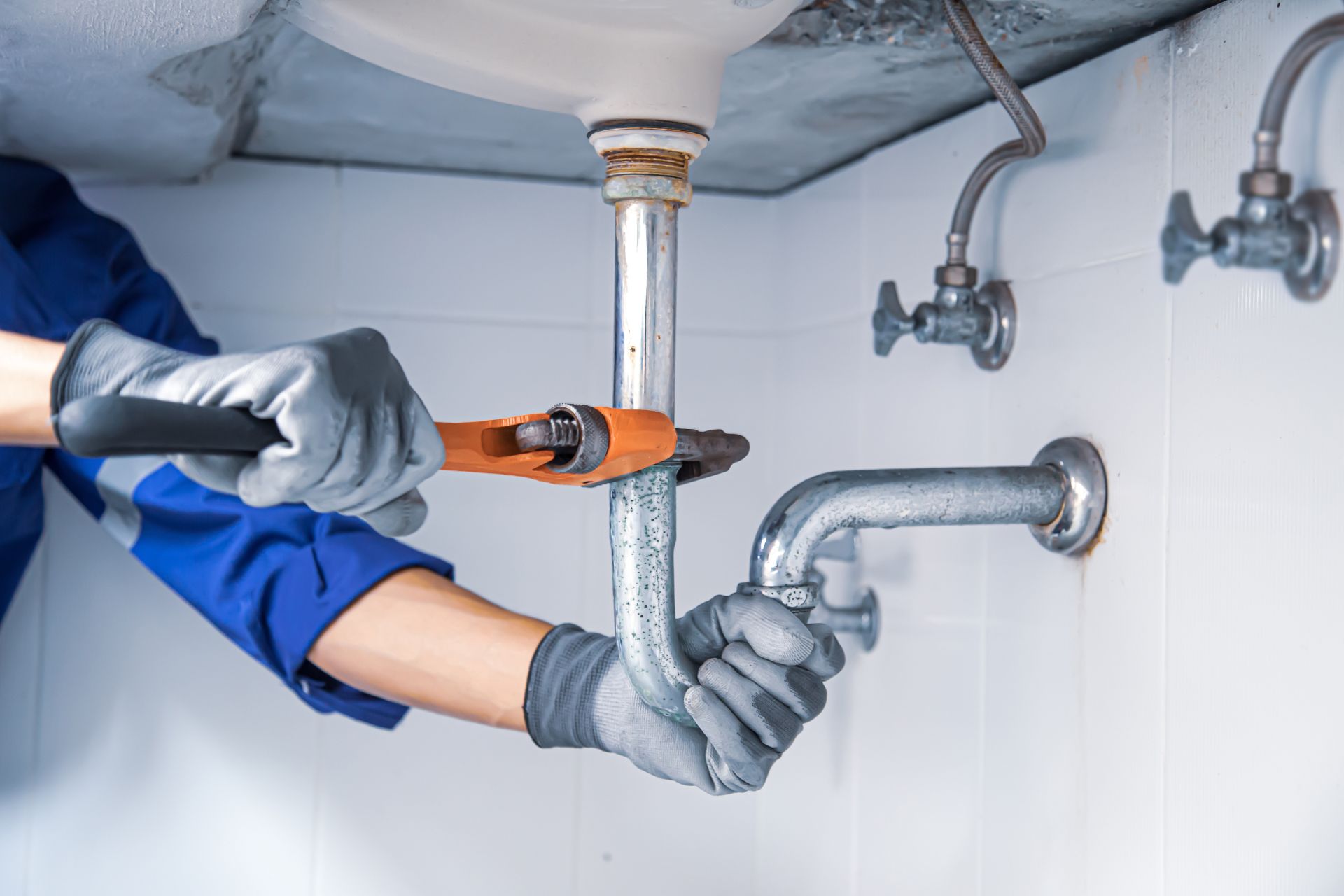
A sudden spike in your water bill often means you are paying for water that is slowly destroying your walls, ceilings, or foundation. A leaky toilet alone can waste nearly 3,000 gallons of water a month. Before calling a professional, use these simple DIY tests to pinpoint the issue.
The Ultimate House Check: The Water Meter Test
Your water meter is the definitive way to confirm if a leak exists anywhere in your plumbing system.
{/* Reason: The user is trying to test their water meter, which must be done in a strict sequence to accurately isolate the leak location. Misordering would lead to false readings. */}
The Most Common Culprit: The Toilet Dye Test
Toilets are notorious for "silent leaks" where water constantly trickles from the tank into the bowl due to worn internal components.
{/* Reason: Testing a toilet flapper requires steps to be done in an exact order to prevent false positives from premature flushing. */}
Visual and Auditory Clues
If the meter test confirms a leak but the toilets pass the dye test, inspect your home for these subtle signs:
-
Discolored drywall: Look for yellow or brown water stains on ceilings and walls, especially directly below upstairs bathrooms.
-
Bubbling paint or peeling wallpaper: Moisture trapped behind the wall degrades the adhesive and prevents paint from sticking.
-
Musty odors: A persistent damp smell often indicates hidden mold growth inside a wall cavity.
-
Warm spots on the floor: A slab leak (a leaking hot water pipe under a concrete foundation) will often heat the flooring directly above it.
-
Hissing or running water sounds: Listen closely to the walls and floors during the quietest part of the night.
Catching a leak early saves thousands in structural repairs and utility costs. If you confirm a hidden leak that you cannot access, contact a licensed plumber equipped with acoustic sensors and thermal imaging to locate the break without tearing up your walls unnecessarily.