Troubleshooting Low Water Pressure in Bullhead City Homes
Learn how to diagnose and troubleshoot low water pressure in your Bullhead City home. Discover why hard water and mineral buildup cause pressure drops and what you can check.

Understanding Low Water Pressure in Your Home
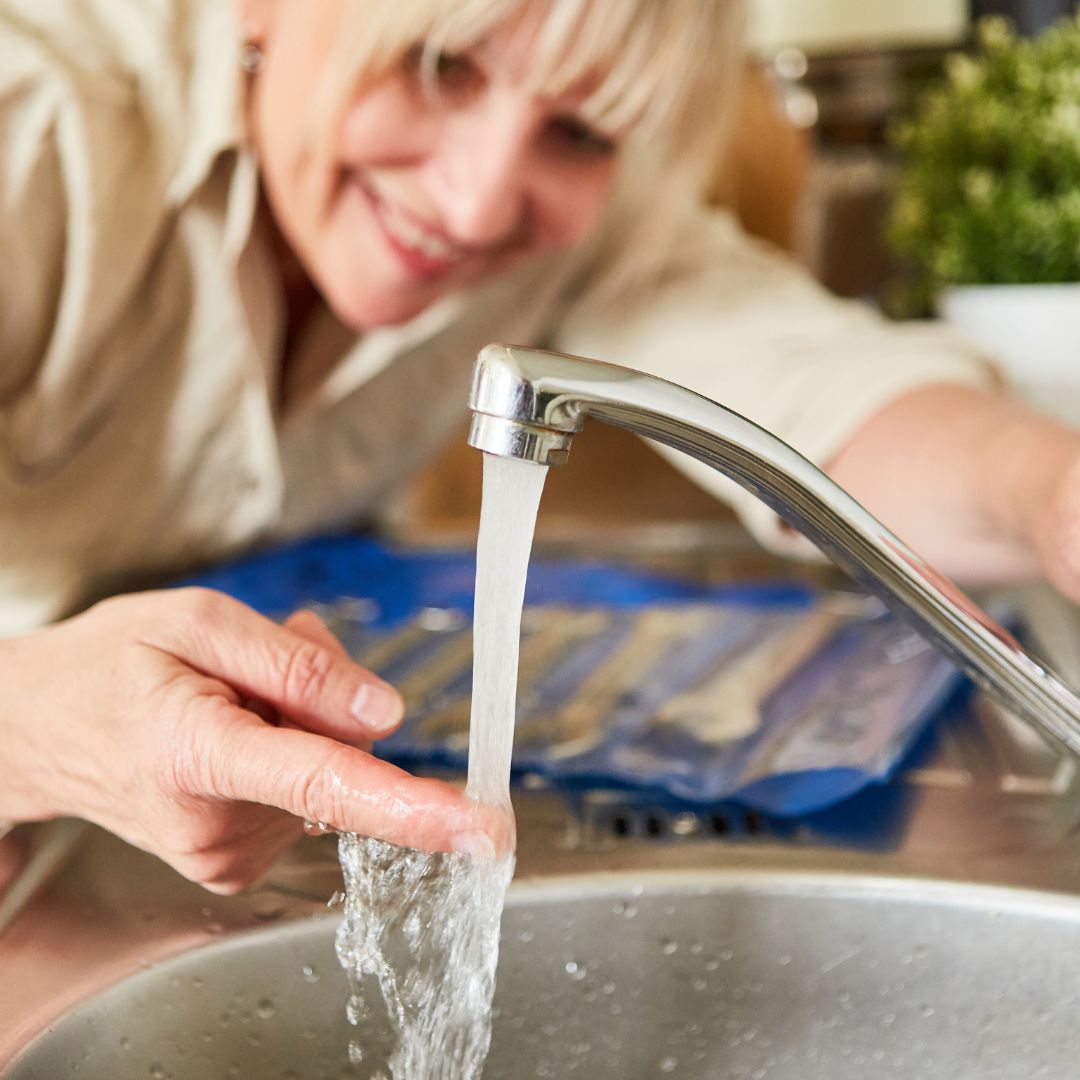
Dealing with a sudden or gradual drop in water pressure can be frustrating. Whether it takes twice as long to fill a pot of water or your shower feels like a gentle mist instead of a steady stream, low water pressure changes how your plumbing system performs daily. To fix the issue effectively, the first step is determining whether the problem is isolated to a single fixture, affecting a specific area of the house, or impacting the entire property.
In the arid climate of Bullhead City, Arizona, understanding local water characteristics helps clarify why pressure issues occur. Mineral-heavy municipal or well water moves through local distribution systems, carrying dissolved calcium and magnesium. Over time, these minerals precipitate out of the water, creating scale that quietly restricts flow inside fixtures, valves, and pipes.
Is the Problem Isolated or Whole-House?
The most important diagnostic clue is the scope of the problem. Testing different locations throughout your home narrows down the potential causes quickly.
- Single Fixture: If only one kitchen sink or bathroom faucet has low pressure while the rest of the house flows normally, the restriction is almost certainly localized to that specific fixture, its supply lines, or its shutoff valve.
- Whole-House: If every shower, sink, and hose bib experiences low pressure simultaneously, the issue originates closer to the main water supply, the main shutoff valve, or the pressure reducing valve (PRV).
Common Causes of Single-Fixture Pressure Drops
When a single faucet or showerhead loses pressure, you can usually investigate and resolve the issue without calling for professional help.
1. Clogged Aerators and Showerheads
Aerators are the small screens screwed onto the tips of faucets designed to mix air into the water stream and prevent splashing. In Bullhead City homes, hard water minerals accumulate rapidly inside these fine meshes. Mineral scale also builds up in the tiny rubber or plastic nozzles of showerheads.
How to check: Unscrew the faucet aerator or detach the showerhead. Look inside for white, crusty mineral deposits. Soak the part in a small container of white vinegar for an hour, scrub gently with an old toothbrush, and rinse thoroughly before reinstalling.
2. Partially Closed Supply Valves
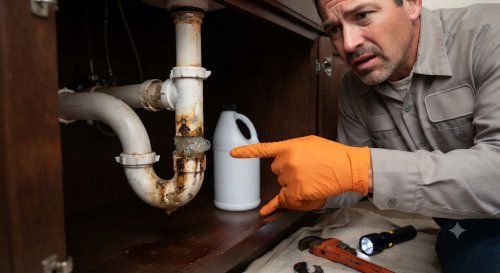
Underneath sinks, you will find small oval or multi-turn shutoff valves connected to supply tubes. If one of these valves has been accidentally bumped, partially closed during cleaning, or worn out internally, it will choke the water volume reaching the faucet.
How to check: Ensure both the hot and cold under-sink valves are turned completely counterclockwise to the fully open position.
Common Causes of Whole-House Pressure Drops
When the entire home suffers from low water pressure, the mechanical components governing your main water supply require inspection.
1. Pressure Reducing Valve (PRV) Failure
Most modern homes feature a bell-shaped brass pressure reducing valve installed near where the main water line enters the house. This device protects your indoor plumbing from excessive municipal water pressure. Over time, internal springs weaken, diaphragms rupture, or mineral debris clogs the internal bypass. When a PRV fails, it often fails in the closed position, severely restricting water flow to the entire home.
2. Main Shutoff Valve Restrictions
Whether you have a gate valve or a quarter-turn ball valve where water enters your property, verify that it is fully open. Gate valves, in particular, feature an internal threaded gate that can detach from the stem over time, creating a physical blockage inside the pipe even when the handle appears open.
3. Hard Water Scale Accumulation in Pipes
Homes with older galvanized steel piping are especially vulnerable to internal diameter reduction. As hard water flows through galvanized pipes over decades, mineral layers build up concentric rings inside the pipe wall. This drastically reduces the volume of water that can travel through the pipe, resulting in weak pressure at multiple outlets simultaneously.
Safe Troubleshooting Steps for Homeowners
Before deciding whether a professional plumbing diagnosis is necessary, you can safely perform a few basic checks:
- Ask your immediate neighbors if they are also experiencing low water pressure. If a municipal main break or utility work is underway in your neighborhood, the utility provider is responsible, and household plumbing is not the cause.
- Locate your water meter box near the property boundary. Check if the municipal valve is fully open and ensure there are no visible wet spots or unexplained damp soil between the meter and your home, which could indicate a hidden underground supply line leak.
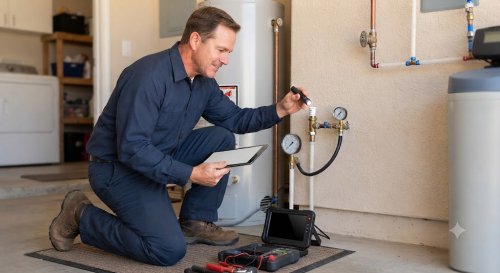
- Test pressure using a simple screw-on pressure gauge attached to an outdoor hose bib. Normal residential pressure typically falls between 40 and 80 psi (pounds per square inch). Readings significantly below 40 psi indicate a supply-side restriction or PRV adjustment need.
When Professional Diagnosis Is Needed
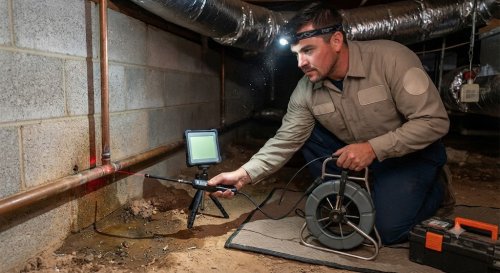
While cleaning aerators and opening shutoff valves are straightforward DIY tasks, other scenarios require specialized tools and licensing. If your pressure gauge shows a low reading directly after the PRV, or if you suspect your main water line is damaged, compressed, or heavily scaled internally, a professional plumber has the gauges, thermal imaging, and pipe-locating equipment required to isolate the exact restriction safely.
Avoid attempting to adjust a PRV without a pressure gauge, as setting water pressure too high can stress washing machine hoses, water heater tanks, and supply lines, leading to catastrophic leaks or indoor flooding. A systematic approach to troubleshooting ensures you address the real root cause rather than just treating the symptoms.