Troubleshooting Low Water Pressure in Bullhead City Homes
Learn how to diagnose and troubleshoot low water pressure in your Bullhead City home. Discover whether the issue is isolated, caused by hard water scaling, or a main line problem.

Understanding Low Water Pressure in Your Home
Dealing with a sluggish shower or a kitchen faucet that barely streams can be frustrating. When water pressure drops, the first step toward a solution is determining whether the problem affects just one fixture or your entire house. Water pressure issues rarely fix themselves, but understanding how to isolate the symptom can save you time, effort, and unnecessary repair costs.
In the arid climate of Bullhead City, Arizona, local environmental factors often play a major role in how residential plumbing systems age and perform. By knowing what to look for, you can safely perform preliminary checks before deciding whether a simple cleaning or a professional repair is necessary.
Is It One Fixture or the Whole House?
The fastest way to diagnose a pressure drop is to check multiple water sources across your property.
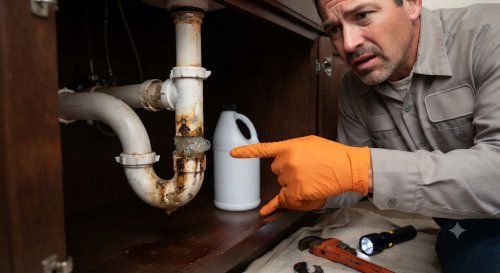
- Single-Fixture Restriction: If only one sink or shower has weak pressure, the issue is almost always localized to that specific fixture. This is commonly caused by clogged aerators, restricted supply line flexible hoses, or internal cartridge debris.Whole-House Issue: If every faucet, shower, and hose bib in the home experiences weak flow, the root cause lies within the main supply system. This points toward the main water shutoff valve, a failing pressure reducing valve (PRV), or a supply line restriction.
The Impact of Hard Water and Mineral Buildup
Water supplies in the lower Colorado River region carry a high mineral content, primarily calcium and magnesium. Over time, as water sits or moves through hot and cold plumbing components, these minerals precipitate out and form a hard, chalky scale.
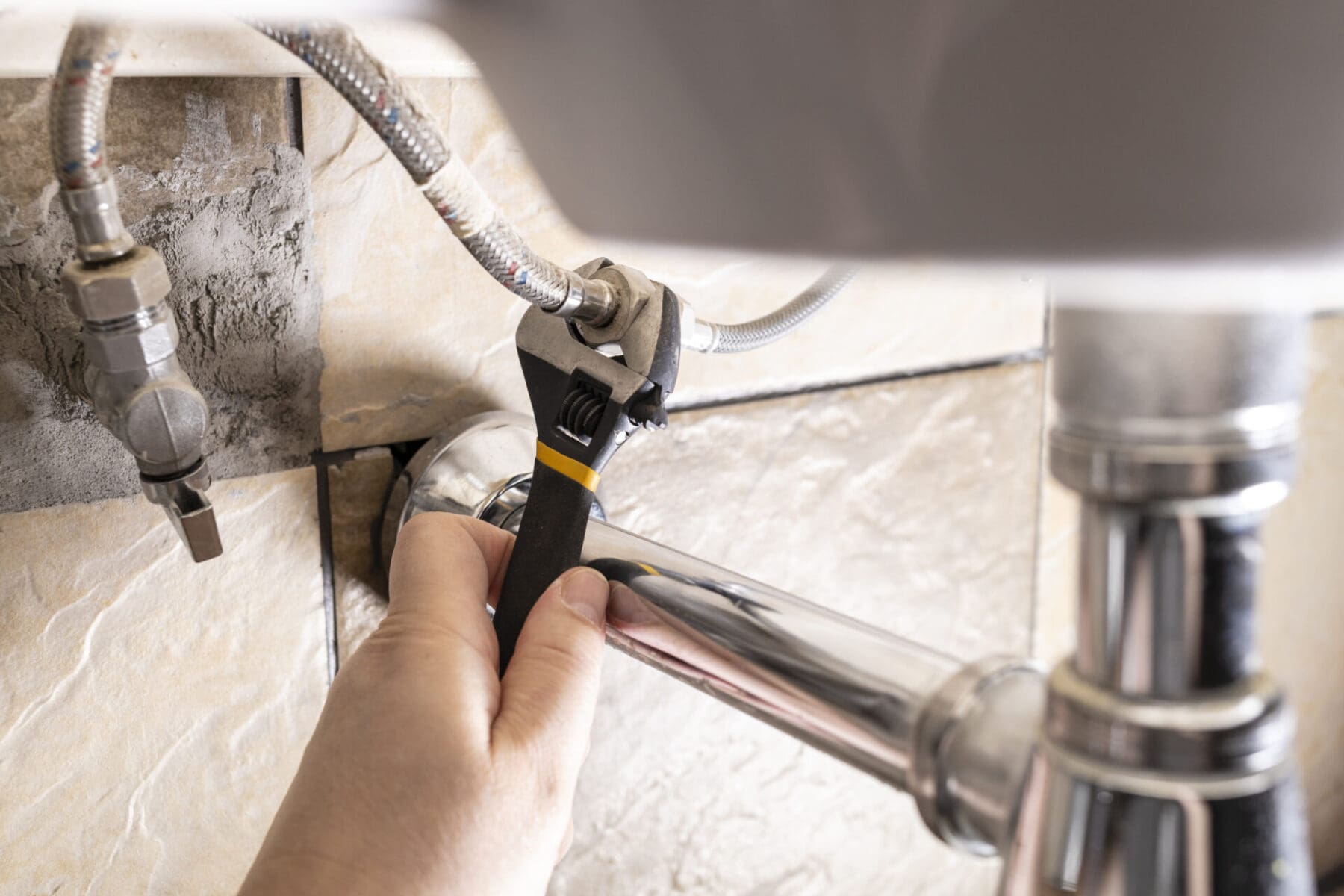
Aerators on faucets and showerheads act as fine strainers, catching particulate matter. In homes with high mineral content, these screens can become partially or completely blocked in a matter of months. A simple twist-off check of a faucet aerator often reveals white, crusty mineral deposits trapping sediment and restricting flow.
Scale buildup is not limited to exterior screens. Inside plumbing fixtures, water heaters, and valves, mineral accumulation narrows the internal diameter of pipes, gradually choking water velocity. Regular cleaning of removable fixture parts helps maintain optimal flow at the point of use.
Checking the Pressure Reducing Valve (PRV)
If your whole house has low pressure and your municipal supply meter is fully open, the pressure reducing valve is a primary suspect. Municipal water lines often deliver water at very high pressures to neighborhood mains, which must be safely stepped down before entering residential plumbing.
A PRV is typically located near the main water shutoff valve where the supply line enters the home. Over years of service, the internal springs and rubber diaphragms inside a PRV wear out or become choked with mineral scale. When a PRV fails, it often fails in the closed or restricted position, causing a sudden or progressive drop in house-wide water pressure.
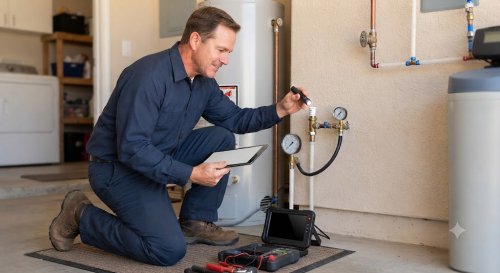
Diagnosing a PRV failure typically requires attaching a water pressure gauge to an outdoor hose bib. A healthy residential system generally operates between 50 and 70 pounds per square inch (psi). If your gauge reads significantly lower than normal—and adjusting the adjustment bolt on top of the PRV yields no change—the valve likely needs replacement.
Other Whole-House Culprits to Consider
Beyond the PRV, several other factors can cause system-wide pressure loss:
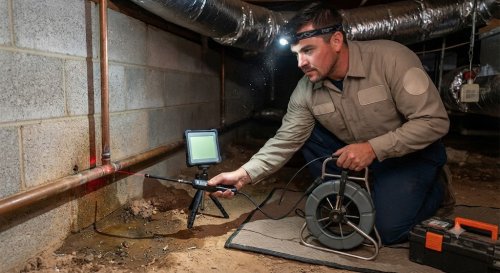
- Partially Closed Shutoff Valves: Check both the main municipal meter shutoff (if accessible) and the main home shutoff valve. If a valve is bumped or left partially closed after maintenance, it will choke overall flow.Old Galvanized Piping: Older homes built with galvanized steel pipes suffer from internal rust and mineral occlusion over time. As iron oxidizes inside the pipe, the interior pathway narrows significantly. Replacing sections of galvanized pipe with modern PEX or copper is often the permanent solution for this type of restriction.Main Line Leaks: A hidden leak between the water meter and the home can reduce supply pressure while also driving up water bills. If your water meter's leak indicator dial is moving when all indoor and outdoor faucets are turned off, a service line leak may be present.
When to Seek Professional Diagnosis
While cleaning a clogged aerator is a straightforward DIY task, whole-house pressure issues require specialized diagnostic tools. A professional plumber can test static and dynamic water pressure, inspect PRV operation, and evaluate the condition of aging supply piping safely.
When consulting with a professional regarding a persistent pressure drop, ask whether the issue stems from a component failure, external municipal supply changes, or internal pipe corrosion. Understanding the exact mechanical cause ensures that the chosen repair resolves the root problem rather than just masking the symptom.