Troubleshooting Low Water Pressure in Your Bullhead City Home
Learn how to diagnose and troubleshoot low water pressure in your Bullhead City home. Discover local hard water causes, hidden restrictions, and fix tips.


Understanding Low Water Pressure in Your Home
Dealing with a weak stream from your showerhead or a sluggish kitchen faucet can make everyday tasks frustrating. When water pressure drops, the immediate instinct is often to worry about a major plumbing failure. However, low water pressure can stem from anything from a simple localized blockage to a failing pressure-reducing valve or local municipal supply adjustments.
In the arid climate of Bullhead City, Arizona, understanding how your plumbing system handles water delivery is key to diagnosing the issue accurately. Mineral deposits, extreme summer temperatures, and local water conditions frequently play a hidden role in restricting household flow.
Is the Problem Isolated or Whole-House?
The very first step in troubleshooting low water pressure is determining whether the issue affects a single fixture or every water source in your home.
- Single-Fixture Problem: If only one faucet, shower, or toilet fill valve has low pressure, the issue is almost always localized to that specific fixture. Common culprits include a clogged aerator, a partially closed supply stop valve beneath the sink, or a specialized cartridge inside a single-handle faucet.
- Whole-House Problem: If multiple fixtures across different bathrooms and kitchens experience a simultaneous drop in pressure, the issue lies in the main supply line, the main shutoff valve, or the home's pressure-reducing valve (PRV).
Common Causes of Localized Pressure Drops
When a single fixture loses pressure, you can usually investigate and resolve the issue without advanced plumbing tools.
Aerator and Showerhead Blockages
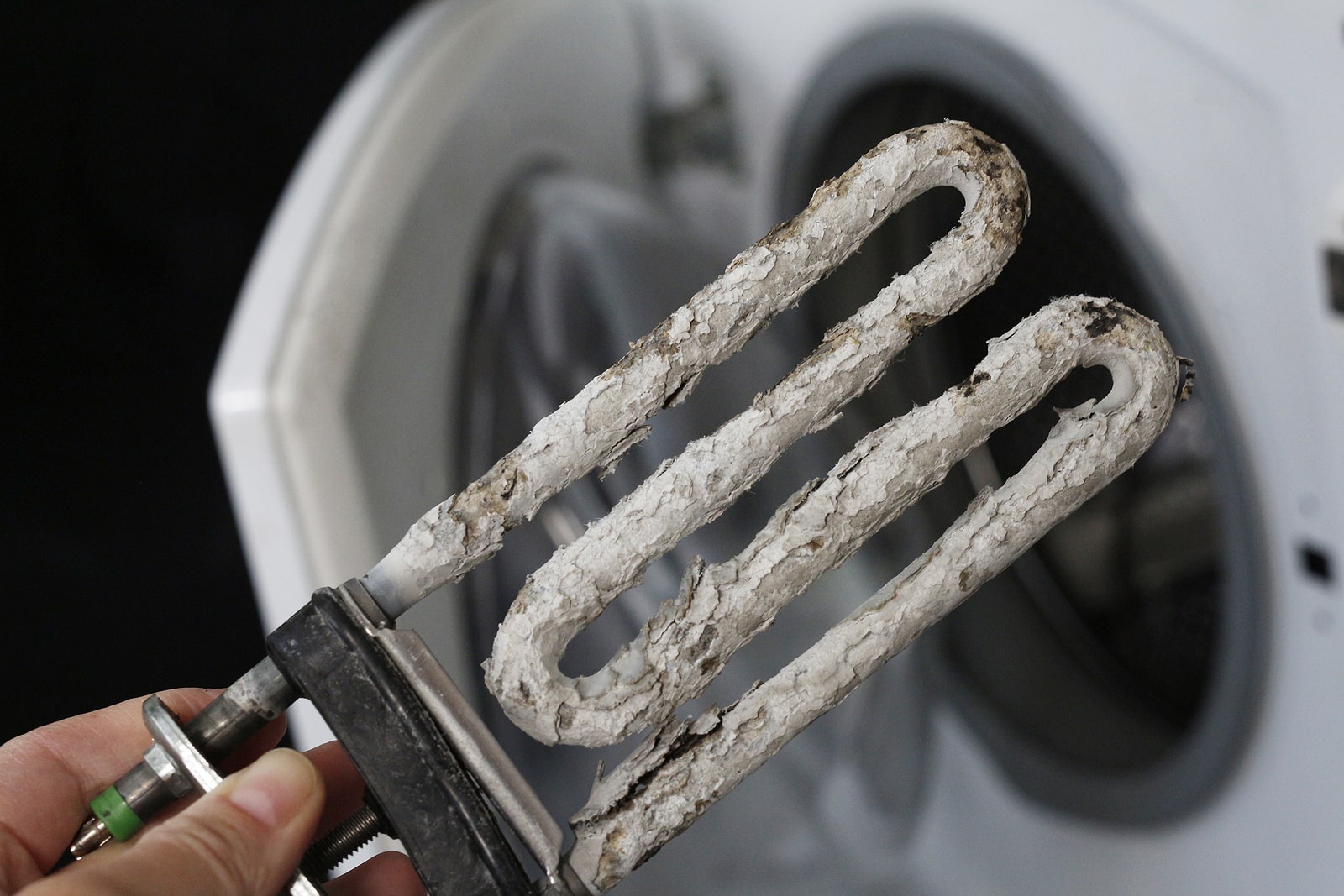
Bullhead City water carries dissolved minerals picked up from local geological formations. Over time, these minerals precipitate out of the water, especially when heated, leaving behind hard, crusty calcium and lime deposits. Unscrewing a faucet aerator or a showerhead often reveals a screen completely choked with white or yellowish mineral scale. Soaking these parts in a mild descaling solution or vinegar typically restores full flow instantly.
Partially Closed Shutoff Valves
Underneath sinks and behind toilets, angle stop valves control water flow. If someone bumped the valve during cleaning or if the internal mechanism has slipped, the valve may be partially restricted. Check that all relevant supply valves are turned completely counterclockwise to the open position.
Common Causes of Whole-House Pressure Drops
If every tap in the house runs weakly, the diagnosis requires looking at the main components where water enters your home.
The Main Shutoff Valve
Locate your main water shutoff valve, typically found near the front exterior wall of the house, inside a garage utility area, or housed in an underground meter box near the property line. Ensure this valve is fully open. A partially closed valve restricts the volume of water entering the home, resulting in a noticeable drop in pressure the moment multiple taps open.
Pressure-Reducing Valve (PRV) Failure
Many homes rely on a pressure-reducing valve to lower high municipal water main pressure to a safe level for indoor plumbing pipes and fixtures. When a PRV fails—often due to internal spring fatigue or mineral accumulation from hard water—it can stick in a closed or partially closed position. A failing PRV often causes pressure to drop drastically when you turn on a tap, or sometimes causes pressure to fluctuate wildly between very high and very low.
Hard Water Scale Inside Galvanized or PEX Pipes
While modern homes in the region use copper or PEX piping, older properties may still contain galvanized steel pipes. Over decades, mineral accumulation severely narrows the interior diameter of galvanized pipes, choking off water volume and pressure. Unfortunately, when internal pipe calcification reaches an advanced stage, pipe replacement is usually the only permanent remedy.
Safe Troubleshooting Steps for Homeowners
Before calling a professional or spending money on replacement parts, you can safely perform these diagnostic checks:
- Test Multiple Taps: Turn on cold and hot water independently across different bathrooms to confirm if the issue is temperature-specific or whole-house.
- Check with Neighbors: Ask immediate neighbors if they are experiencing similar pressure drops. If the municipal supply or a neighborhood main line has an issue, the local utility provider may be performing maintenance or dealing with a main break.
- Inspect the Water Meter: Check your water meter with all indoor and outdoor fixtures turned off. If the low-flow indicator triangle or dial is spinning, you may have a hidden leak rather than a simple pressure restriction.
When to Seek Professional Diagnosis
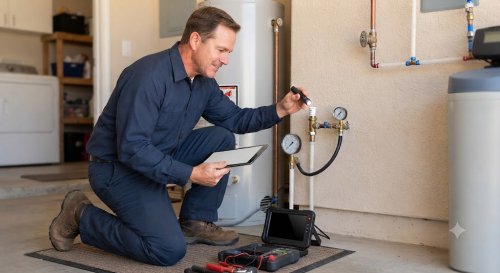
While cleaning aerators and verifying valve positions are straightforward DIY tasks, other scenarios require specialized equipment. If your whole-house pressure drops suddenly and your main shutoff and PRV are both fully open and functioning, a professional plumber may need to perform a static pressure test using a gauge attached to an outdoor hose bib. This test helps determine if the restriction originates from the municipal supply side or your private property lines.
Additionally, if you suspect a failing PRV, replacement requires precise calibration to ensure your indoor plumbing does not exceed safe operating pressures—typically recommended to stay below 80 psi to protect water heaters, supply lines, and fixture cartridges.
Conclusion
Low water pressure can range from a minor annoyance caused by a mineral-clogged aerator to a warning sign of a failing pressure-reducing valve or restricted main supply. By systematically checking whether the problem is isolated to a single fixture or affecting the entire property, you can identify the source of the restriction and take appropriate, cost-effective action to restore normal water flow to your home.