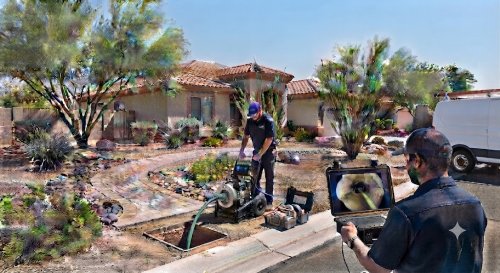
Troubleshooting Low Water Pressure in a Bullhead City Home
Learn how to diagnose and troubleshoot low water pressure in your Bullhead City home. Understand mineral buildup, pressure regulators, and whole-house vs. single-fixture issues.


Understanding Low Water Pressure in Your Home
Dealing with a weak stream from your showerhead or kitchen faucet can make everyday tasks frustrating. When water pressure drops, the first step toward a solution is determining whether the problem is isolated to a single fixture or affecting the entire house. This distinction changes everything about how you diagnose and fix the issue.
In the arid climate of Bullhead City, Arizona, plumbing systems face unique environmental and water-chemistry challenges. Hard water and intense summer heat can take a toll on pipes, valves, and fixtures, making pressure issues a common homeowner complaint.
Single-Fixture vs. Whole-House Pressure Drops
Before worrying about a major plumbing failure, perform a quick check around your home:
- Single-Fixture Issue: If only one sink or shower has low pressure, the problem is almost certainly localized to that specific fixture. The culprit is usually a clogged aerator, a partially closed supply valve under the sink, or a cartridge issue inside a single-handle faucet.
- Whole-House Issue: If multiple fixtures, bathrooms, and outdoor hose bibs all experience a sudden or gradual loss of pressure, the problem lies in the home's main water supply system, the main shutoff valve, or the pressure reducing valve (PRV).
Common Causes of Localized Pressure Drops
When a single faucet or shower loses pressure, you can often investigate and resolve the problem yourself without special tools.
Clogged Aerators and Showerheads
Bullhead City water contains naturally occurring minerals, primarily calcium and magnesium. Over time, these minerals precipitate out of the water and accumulate inside faucet aerators and showerhead nozzles, gradually choking off the flow.
To check an aerator, unscrew the small tip at the end of the faucet spout. If you see white, crusty deposits trapped inside the screen, soak it in a small container of white vinegar for 30 minutes, brush it gently with an old toothbrush, and rinse it out before screwing it back on.
Partially Closed Supply Valves
Check the shutoff valves located beneath the sink or behind the toilet. If someone bumped a valve during cleaning or storage organization, it might be partially closed, restricting the volume of water reaching the fixture.
Whole-House Pressure Problems: What to Look For
If every tap in the house is running weak, the investigation requires looking at the main incoming water lines.
The Main Water Shutoff Valve
Verify that your main water shutoff valve—usually located near the perimeter wall where the water line enters the home, or in an outdoor utility box—is fully open. A valve that is only halfway open will severely restrict flow to the entire property.
Pressure Reducing Valve (PRV) Failure
Many homes rely on a pressure reducing valve to lower high municipal water pressure to a safe level for household plumbing. When a PRV fails, it often fails in the closed position, causing a drastic drop in water pressure throughout the entire house. Adjusting the bolt on top of the PRV without a pressure gauge can damage the internal diaphragm, so a professional diagnosis is usually required if the PRV is failing.
Mineral Accumulation in Piping
Over long periods, hard water mineral scale can line the interior walls of galvanized steel pipes, narrowing the interior diameter and choking water flow. While modern PEX and copper piping resist scale better, older homes with metallic piping may experience progressive pressure loss as interior pipe diameters shrink.
Safety and Practical Next Steps
When troubleshooting low water pressure, avoid forcing stuck valves or using excessive torque on older metal fittings, which can snap brittle pipes and cause active leaks. If basic checks like cleaning aerators and verifying valve positions do not restore your pressure, charting when the pressure drops—such as only during peak morning hours—can help determine if the issue stems from municipal supply fluctuations or private plumbing components.