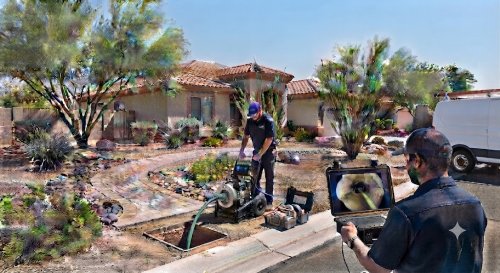
Troubleshooting Low Water Pressure in Your Bullhead City Home
Learn how to diagnose and troubleshoot low water pressure in your Bullhead City home. Discover whether the issue is isolated to a fixture or a whole-house problem.


Understanding Low Water Pressure in Your Home
Dealing with a weak stream from your showerhead or kitchen faucet can be endlessly frustrating. When water pressure drops suddenly or gradually diminishes over time, it changes daily routines like washing dishes, taking a shower, or running appliances. For homeowners in Bullhead City, Arizona, identifying the root cause requires methodically checking whether the issue affects a single fixture or the entire plumbing system.
By narrowing down where the pressure loss occurs and understanding local environmental factors, you can determine whether a simple cleaning will fix the problem or if a larger supply issue needs attention.
Is It One Fixture or the Whole House?
The very first step in troubleshooting low water pressure is determining the scope of the problem. Walk through your home and test multiple faucets, showers, and outdoor hose bibs.
- Fixture-Specific Issue: If only one sink or shower has weak pressure while the rest of the house flows normally, the problem is almost always isolated to that specific fixture. This typically points to a clogged aerator, a partially closed supply valve under the sink, or debris trapped inside a cartridge.
- Whole-House Issue: If every faucet, shower, and appliance struggles with low flow, the problem originates upstream. This could involve the main water shutoff valve, a failing pressure reducing valve (PRV), a hidden leak, or utility-side supply fluctuations.
The Impact of Bullhead City’s Hard Water
Water quality plays a significant role in the lifespan and performance of residential plumbing systems in the desert Southwest. Local groundwater supplies carry high mineral content, primarily calcium and magnesium.
Over time, these minerals precipitate out of the water, especially when heated, leaving behind crusty white or yellowish deposits known as scale. Aerators on faucets and showerheads act as fine strainers that catch mineral flakes, gradually choking off water flow until the stream becomes a trickle. Similarly, scale accumulation inside supply lines and water heaters can silently restrict volume over several years.
Common Causes of Low Water Pressure
Once you narrow down the symptoms, several common culprits usually explain the drop in pressure:
- Clogged Aerators and Showerheads: Unscrewing the tip of a faucet or removing a showerhead often reveals a screen packed with mineral sediment. Cleaning these components with vinegar and a soft brush frequently restores full flow instantly.
- Partially Closed Valves: Main water shutoff valves, water meter valves, or individual supply valves under sinks can get bumped or partially closed during home maintenance. Ensure every valve along the line is fully open.
- Failing Pressure Reducing Valve (PRV): Most homes have a bell-shaped PRV located where the main water line enters the structure. This device protects interior pipes from high municipal pressure. When a PRV fails internally, it typically gets stuck in a restrictive position, causing a drastic drop in whole-house pressure.
- Corrosion and Pipe Scaling: Older galvanized steel pipes are notorious for interior rust accumulation that narrows the internal diameter of the pipe. While many modern Bullhead City homes utilize PEX or copper piping, older properties may still have aging metallic lines restricting volume.
How to Perform Basic Checks Safely
Homeowners can safely perform a few diagnostic checks without specialized tools:
- Check the main water shutoff valve (usually located near the front exterior wall or near the water meter) to ensure it is turned completely counterclockwise into the fully open position.
- Inspect the main house pressure by attaching a standard water pressure gauge to an outdoor hose bib. Normal residential pressure typically falls between 40 and 80 psi (pounds per square inch). Readings significantly below this range indicate an incoming supply or PRV issue.
- Unscrew faucet aerators and soak them in a small container of white vinegar to dissolve mineral buildup before reattaching them.
When Low Pressure Indicates an Urgent Problem
While mineral buildup and closed valves are common, certain pressure drops signal a more serious underlying failure. If you notice a sudden, severe drop in pressure accompanied by the sound of running water when all fixtures are turned off, you may have a major hidden leak, such as a compromised underground supply line beneath the slab or yard. In these situations, turning off the main water supply and seeking professional leak detection is essential to prevent structural water damage.
Final Practical Takeaway
Diagnosing low water pressure is a process of elimination. Always start by checking individual aerators and verifying that all shutoff valves are wide open. Recognizing how local hard water affects fixtures and valves can save you time, effort, and unnecessary expense when trying to restore steady water flow throughout your home.