Troubleshooting Low Water Pressure in Bullhead City Homes
Learn how to diagnose and troubleshoot low water pressure in your Bullhead City home. Discover local hard-water factors, fixture clogs, and pressure regulator issues.


Diagnosing Low Water Pressure in the Desert Environment
Dealing with a weak stream from your showerhead or kitchen faucet is more than just an annoyance; it can disrupt daily routines and occasionally point to a developing plumbing failure. When water pressure drops in a home, the root cause can range from a simple, localized blockage to a failing pressure-reducing valve (PRV) or local utility fluctuations.
In the arid climate of Bullhead City, Arizona, high ambient temperatures and aggressive mineral content in the water supply play unique roles in how plumbing fixtures and supply lines age. Understanding how to systematically narrow down the cause can help you determine whether you can fix the issue yourself or whether you need professional diagnostic testing.
Step 1: Isolate the Problem (Fixture vs. Whole House)
The very first step in troubleshooting low water pressure is figuring out whether the issue is isolated to a single fixture or affecting the entire house.
- Check multiple locations: Turn on faucets in the kitchen, bathrooms, and outside hose bibbs. If only one bathroom sink has a weak flow, the problem is almost certainly localized to that specific faucet or its immediate supply lines.
- Test hot and cold sides: Does the pressure drop only when you turn the handle to hot? If so, the restriction is likely related to the water heater supply line, a faulty water heater shutoff valve, or sediment buildup trapped inside the water heater tank or dip tube.
Common Causes of Localized Pressure Drops
If only one or two fixtures are experiencing low pressure, you can usually investigate and resolve the issue without specialized plumbing tools.
Aerator and Cartridge Clogs
In Bullhead City homes, the municipal water supply carries dissolved minerals—primarily calcium and magnesium—that form hard-water deposits. Over time, these minerals precipitate out of the water and accumulate inside faucet aerators and showerhead nozzles.
To check an aerator, unscrew the tip of the faucet and inspect the fine mesh screen. If you see white or crusty mineral buildup, soak the screen in a mixture of vinegar to dissolve the deposits before reinstalling it. If the showerhead is clogged, you can tie a bag filled with vinegar around it overnight to achieve the same descaling effect.
Partially Closed Shutoff Valves
Beneath most sinks and behind toilets, you will find small angle stop valves. If someone recently worked under the sink or if a valve was bumped, it may not be fully open. Ensure the handle or multi-turn knob is rotated all the way counterclockwise.
Common Causes of Whole-House Low Pressure
If every fixture in the house exhibits a sudden or gradual drop in water pressure, the restriction lies within the main water supply system entering your home.
The Pressure-Reducing Valve (PRV)
Most homes connected to municipal water lines utilize a PRV to lower incoming pressure from the city mains to a safe level for household plumbing (typically between 50 and 70 psi). When a PRV fails, it often sticks in a closed or restricted position, causing a severe drop in water pressure throughout the entire property.
PRVs generally last anywhere from 7 to 12 years. Because the internal springs and rubber diaphragms wear out over time—accelerated by mineral wear and thermal stress—a failing PRV usually requires complete replacement rather than adjustment.
Main Water Shutoff Valve Restrictions
Locate your main water shutoff valve, which is typically situated near the property line inside a meter box or near the point where the main water line enters the foundation of the house. Ensure this valve is fully open. A gate valve that has slipped off its internal track can appear to be open on the outside while blocking the flow internally.
Main Line Leaks
A sudden drop in pressure accompanied by damp spots in the yard, the sound of running water when all fixtures are off, or an unexpectedly high water bill can indicate a leak in the underground main supply line running from the meter to the house. Soil movement or shifting ground caused by extreme seasonal temperature swings can sometimes stress underground polybutylene or PVC supply pipes.
How to Measure Water Pressure Accurately
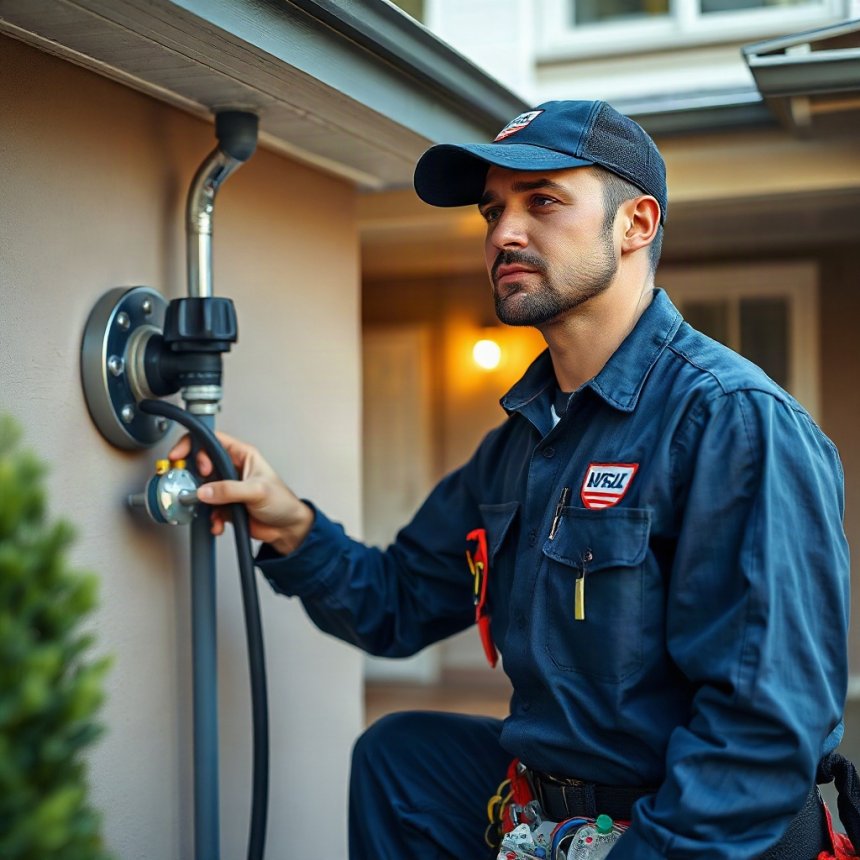
If you want to move beyond guesswork, you can attach a standard water pressure gauge directly to an exterior hose bibb or a laundry sink connection. Make sure no water is running anywhere else in the house while you take the reading.
- Normal range: 50 to 70 psi.
- High pressure: Above 80 psi (which requires a functioning PRV to prevent premature wear on washing machine hoses, water heaters, and fixture cartridges).
- Low pressure: Below 40 psi, indicating a restriction, municipal supply issue, or failing regulator.
When to Seek Professional Diagnosis
While clearing a mineral-clogged faucet aerator is a straightforward DIY task, whole-house pressure issues require diagnostic tools that most homeowners do not keep on hand. A professional plumber can perform static and dynamic pressure tests, inspect the main service line, evaluate the condition of the PRV, and check for hidden pipe restrictions without damaging your drywall or landscaping. Understanding whether the restriction originates from the city supply, your home's regulator, or internal pipe scaling ensures that your repair budget goes toward solving the actual root cause.