Why Your Water Heater Pilot Light Keeps Going Out: Causes & Fixes
Learn why a water heater pilot light keeps going out, how to troubleshoot thermocouple and gas supply issues safely, and what maintenance prevents failures.


Understanding Why Your Pilot Light Keeps Going Out
A water heater pilot light that repeatedly goes out is more than just an inconvenience—it usually points to a safety mechanism doing its job or an underlying component failure. When a gas water heater loses its flame, the gas valve automatically shuts off the supply to prevent unburned gas from leaking into your home. While relighting the pilot is often a straightforward temporary fix, discovering why it keeps extinguishing requires looking at the thermocouple, gas supply, burner assembly, and environmental factors surrounding the appliance.
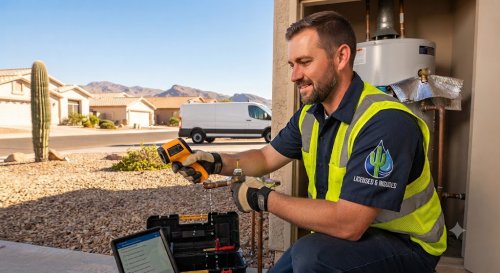
In regions with extreme seasonal weather shifts like Bullhead City, Arizona, homeowners often notice appliance quirks when furnaces, water heaters, and AC units work under heavy seasonal demands. However, a pilot light failure is rarely weather-dependent on its own; it is almost always mechanical, electrical, or related to airflow.
1. The Thermocouple: The Most Common Culprit
The thermocouple is a safety device responsible for detecting whether the pilot flame is lit. It works by generating a tiny electrical current (millivolts) when heated by the pilot flame. This current keeps the safety electromagnet open inside the gas control valve. If the flame goes out, or if the thermocouple fails to heat up properly, the electrical current drops, and the gas valve snaps shut.
- Why thermocouples fail:
- Normal Wear and Tear: Over years of continuous exposure to high heat, the internal metal components degrade, eventually failing to generate enough millivolts even when the flame is hot.
- Misalignment: If the pilot flame does not envelop the top third to half of the thermocouple tip, it cannot generate the necessary voltage. This often happens after routine maintenance or a minor bump to the burner assembly.
- Carbon Buildup: Soot or dust can insulate the thermocouple tip, preventing the flame's heat from reaching the metal sensor effectively.
How to test: A multimeter can measure the millivolt output of a thermocouple while the pilot is lit. A healthy thermocouple typically produces between 25 and 30 millivolts on an open circuit, dropping by roughly half when connected to the valve. If it produces low or fluctuating voltage despite a strong flame, the thermocouple needs replacement.
2. Drafts and Combustion Air Issues
A gas flame requires a stable environment and a continuous supply of oxygen to burn cleanly. If a draft blows out the pilot flame, or if the burner chamber is starved for air, the unit will shut down.
- Common airflow disruptions include:
- Drafty Utility Closets or Garages: In many homes throughout the Southwest, water heaters are installed in garages, outdoor utility closets, or unconditioned storage spaces. High-velocity winds or powerful exhaust fans (such as range hoods or bathroom exhaust fans operating simultaneously) can pull air through the water heater enclosure and extinguish the flame.
- Blocked Combustion Air Intake: Modern gas water heaters rely on specialized intake screens or combustion air filters near the base of the unit. Dust, lint, pet hair, and debris can clog these screens, choking the burner of oxygen and causing the flame to flicker, weaken, or suffocate entirely.
3. Gas Supply Fluctuations and Pressure Problems
A stable flame depends on consistent gas pressure. If the gas supply fluctuates or contains impurities, the pilot light may starve or blow out.
- Gas supply factors to consider:
- Faulty Gas Control Valve: Sometimes the issue is not the thermocouple, but the gas control valve itself. If the internal electromagnet wears out, it will fail to stay open even when the thermocouple is generating proper voltage.
- Regulator or Supply Issues: If other gas appliances in the home experience pressure drops or erratic behavior, a utility-side pressure regulator issue may be at play. However, if only the water heater is affected, the problem is isolated to the appliance's control valve, manifold, or pilot tubing.
- Spider Webs and Debris in the Pilot Tube: Tiny spiders (such as yellow sac spiders, which are attracted to the odor of natural gas or propane) frequently crawl into the pilot tube or burner orifice, spinning webs that partially block gas flow and create a weak, unstable flame.
4. Safe Troubleshooting Steps for Homeowners
Before calling for professional service, a homeowner can safely perform a few basic visual inspections and maintenance checks:
- Check the Sight Glass: Look through the view window at the base of the tank. Observe the color and size of the pilot flame. A healthy pilot flame should be crisp, steady, and predominantly blue with a tiny hint of yellow at the tip. A lazy, yellow, or floating flame indicates poor combustion or a blocked orifice.
- Inspect for Dust and Lint: Use a flashlight to examine the bottom of the water heater. If dust or pet hair has accumulated around the intake screen or flame arrestor plate, gently brush or vacuum the exterior surfaces according to the manufacturer’s manual. Never insert tools into the combustion chamber.
- Review the Lighting Instructions: Follow the exact lighting sequence printed on the water heater label. Failing to hold the pilot button down long enough during ignition prevents the thermocouple from reaching operating temperature, causing the valve to shut off the moment the button is released.
5. When to Call a Professional
While relighting a pilot light is a routine homeowner task, certain conditions require professional diagnosis and specialized tools:
- The pilot light lights and stays on while you hold the button, but immediately goes out the moment you release it, even after replacing the thermocouple. This strongly indicates a failed gas control valve.
- You smell persistent gas odors around the appliance when the pilot is unlit or after attempting to light it. Turn off the manual gas shutoff valve immediately and ventilate the area.
- The burner makes a rumbling, popping, or booming sound upon ignition, which often points to heavy sediment buildup inside the tank or burner distortion.
- The unit is more than 10 to 12 years old. Repeated pilot failures on an aging water heater frequently signal that the entire appliance has reached the end of its reliable service life.
Conclusion
A pilot light that repeatedly goes out is usually trying to tell you that a safety component has degraded, airflow is restricted, or gas delivery is unstable. By checking the thermocouple, cleaning surrounding dust, and observing the flame's behavior, you can often identify whether the issue is a simple maintenance fix or a component replacement. Understanding how these systems interact helps you make informed decisions when maintaining residential water heaters safely and efficiently.