How Routine Drain Cleaning
Routine drain cleaning protects old pipes from scale, corrosion, and clogs. Learn how professional maintenance in Bullhead City, AZ saves you money.

Introduction
If your home is more than 30 years old, its plumbing system is essentially living on borrowed time. The pipes that carry wastewater away from your sinks, showers, and toilets have been working tirelessly for decades, quietly dealing with everything you send down the drain. And if you're like most homeowners, you probably don't give them a second thought—until something goes wrong.
Here's the reality: old pipes don't just suddenly fail. They give you warning signs. They slow down. They make strange sounds. They develop small clogs that get progressively worse. And when they finally give out, the result can be a catastrophic sewer backup, a slab leak, or thousands of dollars in water damage to your home.
In Bullhead City, Arizona, this problem is particularly acute. Our hard water—some of the hardest in the country—accelerates mineral buildup inside pipes. The desert soil shifts and settles over time, putting pressure on underground lines. And the aging housing stock means many homes still have their original cast iron, clay, or galvanized steel pipes that are long past their prime.
Routine drain cleaning is one of the most effective and affordable ways to extend the life of these aging pipes. It's not just about unclogging a slow drain when it happens. It's about preventative maintenance that removes damaging buildup, reduces stress on your plumbing system, and catches potential problems before they become emergencies.
This guide will explain why old pipes need regular care, how drain cleaning protects your plumbing, and why professional maintenance is one of the smartest investments you can make for your Bullhead City home.
What Is Routine Drain Cleaning?
Routine drain cleaning is the practice of regularly cleaning your home's plumbing pipes to prevent the buildup of debris, grease, minerals, and other materials that can restrict water flow and damage pipes over time.
It's the plumbing equivalent of getting your car's oil changed. You don't wait for the engine to seize before you change the oil. You do it on a regular schedule to prevent problems and extend the life of the vehicle. The same principle applies to your plumbing.
Definition and Scope
Routine drain cleaning typically includes:
-
Cleaning of all drains and fixtures in your home
-
Professional-grade cleaning methods like hydro jetting
-
Camera inspections to identify potential issues
-
Preventative advice tailored to your specific plumbing system
Why Old Pipes Are Especially Vulnerable
Older pipes have already lost much of their original thickness and structural integrity. Decades of corrosion, mineral buildup, and general wear have taken their toll. The interior surfaces are rough and pitted, making them more prone to catching debris and developing clogs. Any additional stress—like a significant blockage or chemical damage—can cause them to fail completely.
Routine drain cleaning removes debris and buildup before it becomes a problem, minimizing stress on aging pipes.
Common Situations Where It Matters Most
-
Homes over 30 years old: Your pipes have already experienced significant wear.
-
Homes with hard water: Mineral scale accumulates much faster.
-
Homes with tree roots in the area: Roots are naturally drawn to leaks in old pipes.
-
Homes with a history of slow drains: This indicates chronic buildup in the system.
-
Homes with original cast iron pipes: These are particularly susceptible to corrosion and cracking.
Symptoms That Suggest It's Time for Routine Cleaning
Even if you don't have a specific problem, these symptoms suggest that drain cleaning is overdue:
-
Frequent slow drains: Water that's slow to empty is a sign of buildup.
-
Gurgling sounds: Air trapped in the lines means the system isn't flowing freely.
-
Foul odors: A persistent smell of sewer gas indicates blockage or cracking.
-
Frequent clogs: If you're regularly unclogging drains, you have a systemic problem.
Why Does This Plumbing Problem Happen?
Understanding what damages your pipes helps you appreciate the value of regular maintenance. Here are the most common culprits in Bullhead City and surrounding Mohave County homes.
Aging Pipes
All pipe materials have a finite lifespan:
-
Cast iron: 50-75 years
-
Galvanized steel: 40-60 years
-
Copper: 50-70 years
-
Clay: 50-60 years
-
PVC: 50+ years (but may become brittle)
If your home was built before 1980, your pipes may be approaching or exceeding their expected lifespan.
Corrosion and Scale Buildup
Hard water is a major issue in Bullhead City and throughout the Mojave Desert region. The minerals in our water—calcium and magnesium—precipitate out of the water and form scale deposits on the inside of your pipes. This scale:
-
Restricts water flow: The diameter of the pipe shrinks, increasing water velocity and pressure.
-
Creates rough surfaces: Debris catches more easily on rough, scale-covered interiors.
-
Accelerates corrosion: Scale traps corrosive elements against the pipe wall.
-
Shortens pipe life: The combination of restricted flow and increased pressure stresses the pipe.
Tree Roots
Our desert environment is home to many tree species with aggressive root systems that are constantly seeking moisture. A small crack or loose joint in an underground pipe releases water vapor, which is a powerful attractant to roots.
Improper Installation or Substandard Materials
Homes built during construction booms sometimes received substandard materials or shoddy workmanship. Pipes may have been:
-
Installed with improper slopes
-
Joined with substandard fittings
-
Made of thinner materials than required
-
Damaged during the original installation
Poor Maintenance
This is the most common cause of premature pipe failure. Without regular maintenance, the natural wear and tear on pipes is accelerated. Small problems become big ones, and pipes fail earlier than they should.
Seasonal Weather
Bullhead City experiences extreme temperature swings between our scorching summers and mild winters. This constant expansion and contraction can:
-
Loosen pipe joints
-
Stress pipe materials
-
Accelerate soil movement, which stresses underground lines
Clogs and Sewer Backups
A severe clog or backup can dramatically increase the pressure inside your pipes, causing:
-
Stress on joints and fittings
-
Cracking from pressure
-
Physical damage from attempts to clear the blockage
Signs You Should Never Ignore
These are the warning signs that your pipes are suffering and need professional attention. If you notice any of these, don't wait—schedule an inspection and drain cleaning.
Slow Drains
This is one of the most common and overlooked warning signs. When a single drain is slow, the blockage is usually local. But when multiple drains are slow, you have an issue in your main line. Don't ignore slow drains—they indicate that a blockage is building and your pipes aren't flowing freely.
Gurgling Sounds
Gurgling from your toilet or drains when you flush or run water is a classic sign of trapped air in the sewer line. This means the line is partially blocked, and the water has to push past the obstruction, forcing air back up through the system.
Frequent Clogs
If you're dealing with clogs on a regular basis, you have a systemic problem. A drain that requires frequent unclogging indicates that rough pipe interiors or scale buildup are catching debris.
Bad Smells
A sewer smell inside your home is dangerous and a clear sign that gases are escaping through a faulty or compromised pipe.
Water Stains on Walls or Ceilings
While this often indicates a supply leak, it can also indicate a leak in a drain line.
Discolored Water
Rusty or brown water from your faucets indicates corroding pipes. While this is a supply-side issue, it suggests your entire system may be deteriorating.
Patchy Greener Grass in Your Yard
Unusually lush patches of grass in your yard could indicate a leaking sewer line beneath the surface.
Mold Growth
Persistent mold in your home, especially in basements or near plumbing, suggests ongoing moisture problems from a leaking or sweating pipe.
High Water Bills
While this usually indicates a supply leak, it's still a warning sign that something is wrong with your plumbing.
Standing Water in Yard
Puddles of water on your property when it hasn't rained likely indicate a broken pipe.
Common Plumbing Problems Related to Old Pipes
Older pipes are the root cause of many different plumbing issues:
-
Drain Clogs: The rough interiors of old pipes catch debris.
-
Sewer Backups: Blockages and collapses in old sewer lines cause backups.
-
Pipe Leaks: Corrosion and stress cause pinhole leaks and cracks.
-
Burst Pipes: Weakened pipes can burst under pressure.
-
Slab Leaks: Pipes under concrete slabs corrode and leak.
-
Fixture Damage: Reduced flow and pressure can damage fixtures.
-
Water Heater Failures: Hard water scale damages water heaters as well.
Step-by-Step Professional Drain Cleaning Process
Here's what happens when you call a licensed plumber for routine drain cleaning:
-
Step 1: Initial Consultation and Assessment: The plumber will ask about your home's age, history of plumbing problems, and any specific concerns. They'll explain the process and set expectations.
-
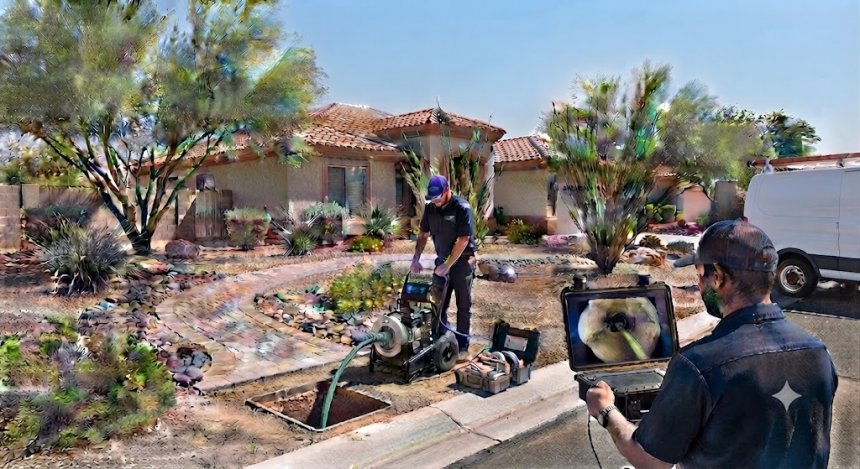
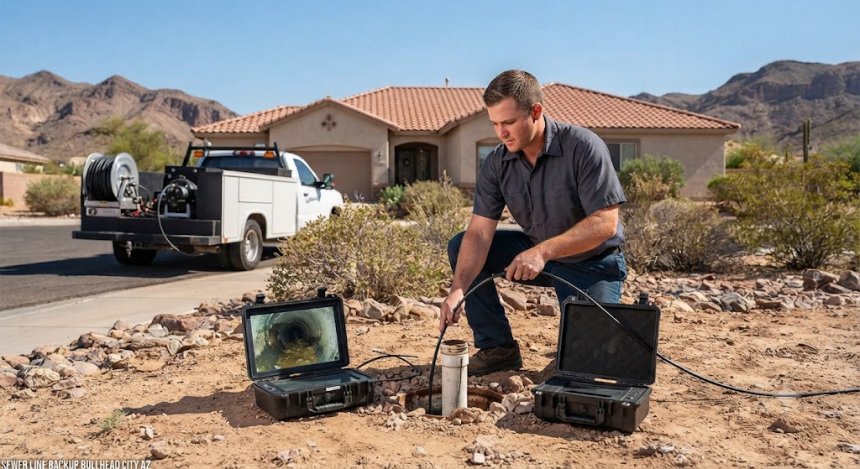
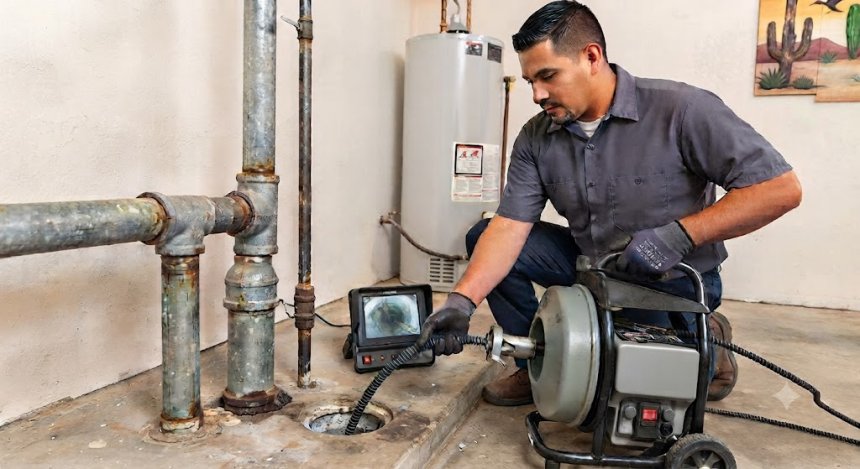
Step 2: Video Camera Inspection: This is the most important step. A flexible cable with a high-definition camera is sent down the drain. The plumber views the interior of your pipes in real-time, identifying:
-
The extent of scale buildup
-
The presence of tree roots
-
Any cracks, breaks, or corrosion
-
The condition of joints
-
The exact type and location of blockages
-
-
Step 3: Diagnosis: Based on the camera footage, the plumber can provide a clear diagnosis. You'll know exactly what's in your pipes and what needs to be done.
-
Step 4: Drain Cleaning: The cleaning method depends on what's in your pipes:
-
Hydro Jetting: For scale, grease, and general debris.
-
Root Cutting: For tree root intrusion.
-
Mechanical Snaking: For stubborn blockages.
-
-
Step 5: Post-Cleaning Inspection: The camera is sent back through to confirm the cleaning was successful and no damage was caused.
-
Step 6: Summary and Recommendations: The plumber will explain what was done, show you before-and-after footage, and provide recommendations for future maintenance or repairs if needed.
Can You Fix It Yourself?
You can perform some basic maintenance tasks, but professional drain cleaning is essential for old pipes. Here's what you can safely do and when to call a professional.
Safe DIY Solutions
-
Boiling Water: Pouring boiling water down your kitchen sink once a month can help melt minor grease buildup. This is especially effective for pipes that haven't had professional cleaning in years.
-
Manual Snaking: A handheld snake can clear simple clogs in individual traps. This is useful for bathroom drains.
-
Drain Strainers: Catching hair and debris before it enters your pipes is the most effective DIY prevention.
Temporary Fixes
-
Enzyme-Based Cleaners: These use bacteria to break down organic matter. They can be used monthly as a preventative treatment. They won't clear a major blockage or remove scale, but they can help maintain cleaner pipes between professional cleanings.
When DIY Becomes Dangerous
You should stop and call a plumber if:
-
Multiple drains are affected: This indicates a main line issue.
-
The problem returns quickly: This means you're addressing the symptom, not the cause.
-
You suspect tree roots: Cutting roots yourself can damage the pipe.
-
Your pipes are very old: Old pipes can be fragile. A DIY approach can crack them.
-
The blockage is deep in the line: You won't have the equipment to reach it.
When Professional Drain Cleaning Is Necessary
Professional service is necessary for:
-
The removal of scale buildup
-
Tree root removal
-
Cleaning of the main sewer line
-
Camera inspection and diagnosis
-
Any significant blockage in an old pipe
Tools Professionals Use
These are the essential tools that make professional drain cleaning so effective for old pipes:
-
Drain Cameras: High-resolution cameras on flexible fiber-optic cables provide a clear view of the pipe's interior. This is essential for diagnosing problems in old pipes without digging.
-
Hydro Jetting Equipment: This uses high-pressure water to blast away debris. Pressures can reach 4,000 PSI, removing years of scale and grease. It's safe for properly maintained pipes and doesn't use harsh chemicals.
-
Root Cutting Equipment: Specialized cutting heads attached to cables can physically cut through roots and other tough blockages. These tools require skill to use safely.
-
Pipe Locators: These electronic devices trace the path of underground pipes, identifying the location of lines, cleanouts, and potential problem areas.
-
Pressure Testing: This involves testing the integrity of a line to see if it's holding pressure. It's used to detect leaks.
-
Trenchless Equipment: Specialized equipment is used for pipe bursting and CIPP, allowing pipe replacement without excavation.
How Long Does the Repair Usually Take?
-
Simple Drain Cleaning: For a standard drain with minor clogs, 1-2 hours.
-
Moderate Drain Cleaning: A typical hydro jetting service for an entire house takes 2-4 hours.
-
Complex Drain Cleaning: A line with severe blockage, tree roots, or significant scale can take 4-6 hours.
-
Repairs Required: If you need repairs based on the camera inspection, this may take 1-3 days, depending on the extent of the work.
Cost Factors
Plumbing costs vary depending on the severity of the problem, accessibility, materials required, emergency service, property type, and local labor rates.
Key factors affecting the cost of routine drain cleaning:
-
Diagnostic Fees: The cost of the initial camera inspection.
-
Parts and Labor: The time required and the materials used.
-
Emergency Service Charges: If you require emergency or after-hours service, this adds to the cost.
-
Equipment Needed: Hydro jetting may cost more than snaking.
-
Permit Costs: Some work, particularly main line replacement, may require a permit.
-
Repair vs. Replacement: In some cases, a patch is not a fix. It's a band-aid. Replacement is often more cost-effective in the long run.
-
Accessibility of Pipes: Pipes that are under concrete, deep underground, or behind walls cost more to access and repair.
Hidden Truths Homeowners Should Know
-
Old Pipes Don't Get Better: They only get worse. The condition of your pipes will not improve over time. It will only degrade.
-
Small Problems Are Easily Fixed: The best time to address a problem is when it's small. A slow drain is much easier to fix than a burst pipe.
-
DIY Drain Cleaners Are a Waste of Money: Over-the-counter drain cleaners don't remove scale, which is the primary enemy of old pipes. They merely cause minor damage to your pipes while tricking you into thinking you've solved a problem.
-
Insurance Won't Cover Age-Related Damage: Homeowner's insurance typically covers sudden damage, like a burst pipe from a storm. It does not cover deterioration from age, corrosion, or poor maintenance.
-
Regular Inspection Saves Money: A camera inspection every few years allows you to see the true condition of your pipes, allowing you to budget for repairs before an emergency occurs.
-
Trenchless Repair Is a Game-Changer: If you do need a repair, trenchless methods can replace a pipe without destroying your yard, driveway, or landscaping.
-
Hydro Jetting Is Safe for Old Pipes: When performed correctly by a trained professional, hydro jetting is safe for properly maintained old pipes. It doesn't use harsh chemicals and doesn't damage the pipe wall.
15 Common Mistakes Homeowners Make
-
Ignoring Slow Drains: A slow drain is a warning sign. Ignoring it allows a blockage to grow.
-
Using Chemical Drain Cleaners: These are dangerous to you and your pipes. They can etch the inside of old pipes.
-
Flushing Wipes or Paper Towels: These don't break down. They create blockages.
-
Pouring Grease Down the Drain: This is the single most common cause of kitchen sink clogs.
-
Skipping Professional Inspections: You can't see inside your pipes without a camera.
-
Waiting Until an Emergency: An inspection can catch problems years before they become emergencies.
-
Hiring Unlicensed "Plumbers": An unlicensed individual may not have proper insurance or training.
-
Not Knowing the Age of Your Pipes: You need to know the age and material of your pipes.
-
Assuming All Drain Cleaners Are Safe: Many OTC drain cleaners are dangerous to old pipes.
-
Overtightening Fixtures: This can crack older pipes and fittings.
-
Using a Plunger Incorrectly: Using a plunger incorrectly can push a clog deeper into the pipe.
-
Not Knowing Where the Cleanout Is: You need to know where to access your line.
-
Ignoring Gurgling Sounds: This is a key warning sign of a main line issue.
-
Planting Trees Near Sewer Lines: This will eventually cause root intrusion.
-
Assuming a Clear Drain Means a Clean Pipe: A pipe can be severely scaled on the inside while still draining normally.
Maintenance Tips for Extending Pipe Lifespan
These practical tips will help you extend the life of your old pipes and avoid costly repairs:
-
Schedule Regular Hydro Jetting: For homes with older pipes, schedule hydro jetting every 2-3 years.
-
Get a Camera Inspection Annually: A camera inspection is the only way to truly know the condition of your pipes.
-
Use Enzyme Cleaners Monthly: These help maintain your drains between professional cleanings.
-
Install Drain Strainers: Catching hair and debris before it enters your pipes is essential.
-
Flush with Hot Water Weekly: Pouring hot water down your kitchen sink helps clear grease.
-
Never Use Chemical Drain Cleaners: They damage old pipes.
-
Maintain Your Water Softener: If you have hard water, a water softener reduces scale buildup.
-
Clear Your Gutters: Diverting water away from your foundation protects underground pipes.
-
Don't Overload Your Garbage Disposal: Use it sparingly, and never put grease, bones, or fibrous materials in it.
-
Know Where Your Main Valve Is: In an emergency, you need to shut off your water.
-
Monitor Your Water Pressure: High pressure stresses pipes.
-
Insulate Pipes in Unheated Areas: This prevents freezing in winter.
-
Remove Old Tree Roots: If you have tree roots in your line, plan for their removal.
-
Replace Appliance Hoses Every 5 Years: This is a leading cause of flooding.
-
Don't Flush Medications Down the Toilet: They don't break down and can harm the environment.
-
Test Your Sump Pump (If Applicable): Ensure it's working before the rainy season.
-
Flush Your Water Heater Annually: This removes sediment and prolongs its life.
-
Don't Use Toilet Bowl Cleaner Tablets: The chemicals can damage the rubber flapper in your toilet.
-
Be Mindful of What Goes Down the Drain: The only things that should go down your sink are water, soap, and small food scraps.
-
Budget for a Repipe: If your home is 50+ years old, start budgeting for a repipe. It's better to plan for it than to have an emergency force your hand.
When Should You Call an Emergency Plumber?
Call immediately if you experience:
-
Complete Blockage: No water is draining from any fixture.
-
Sewer Backup: Raw sewage is coming up through your drains.
-
Burst Pipe: Water is actively flooding your home.
-
Sewer Smell in the Home: Toxic gases are entering your living space.
-
Water Pooling in Yard: This indicates a broken underground pipe.