How to Protect Your Outdoor Plumbing from Arizona Desert Weather
Arizona's extreme heat, UV rays, and monsoon rains can destroy outdoor plumbing.

Introduction
If you live in Bullhead City, you know the desert doesn't mess around. Summer heat that pushes past 110 degrees, intense UV rays that degrade everything they touch, and monsoon rains that can drop inches of water in an hour. Your outdoor plumbing takes a beating from every direction.
And here's the thing—most homeowners focus on indoor plumbing and completely forget about the lines running to their irrigation, hose bibs, and pool equipment. But a failure out there can lead to massive water bills and property damage. A single leaking pipe hidden in your landscaping can waste thousands of gallons of water in a month, turning your water bill into a nightmare .
This article is for Bullhead City homeowners who want to protect their outdoor plumbing from Arizona's harsh desert weather. I've been working with plumbing systems in this region for years, and I know exactly what the heat, the sun, and the monsoons do to exposed pipes and fixtures.
What Makes Arizona Desert Weather So Hard on Outdoor Plumbing?
Arizona's desert climate creates a perfect storm of challenges for outdoor plumbing systems.
Extreme Heat and Pipe Expansion
When temperatures climb past 110 degrees, pipes respond to the heat by expanding. When cooler nighttime temperatures arrive, they contract again. This constant fluctuation weakens pipes over time, increasing the risk of cracks, leaks, and even bursts. Older pipes and those made of certain materials, like PVC, are particularly vulnerable to this thermal stress .
UV Damage to Exposed Pipes
Exposed pipes, such as those running outside or in unshaded areas, suffer from prolonged UV exposure. Over time, this exposure weakens pipe materials, making them more brittle and prone to cracks and leaks . The plasticizers in PVC that keep it flexible break down under UV exposure, leaving it brittle and prone to cracking. You'll often see this on irrigation lines that have been above ground for a few years.
Dry Soil and Pipe Shifting
Arizona's dry climate results in soil shrinkage, which can cause underground pipes to shift. This shifting can lead to misalignments, breaks, or damage to water and sewer lines. Homes with older plumbing systems are especially at risk . Then when monsoon season hits, the soil expands again, creating even more stress.
Hard Water and Mineral Buildup
Arizona is known for its hard water, which contains high levels of minerals like calcium and magnesium. Combined with extreme heat, hard water can accelerate mineral buildup inside outdoor pipes, reducing water flow and increasing the likelihood of clogs .
The Monsoon Factor
Bullhead City's monsoon season brings intense, sudden downpours. Heavy rain after extended drought causes the soil to shift rapidly, stressing underground lines. Drainage systems can become overwhelmed, and irrigation lines can crack when the ground suddenly saturates.
Common Outdoor Plumbing Problems in Bullhead City
Based on years of experience in the area, these are the issues we see most often:
Irrigation Line Leaks
Desert landscaping relies heavily on drip irrigation. But the system's thin plastic tubing and emitters are vulnerable to hard water and intense heat. Calcium and magnesium buildup can clog emitters, starving plants of water when they need it most. The sun also bakes exposed black tubing, causing it to split or crack .
Hose Bib Failures
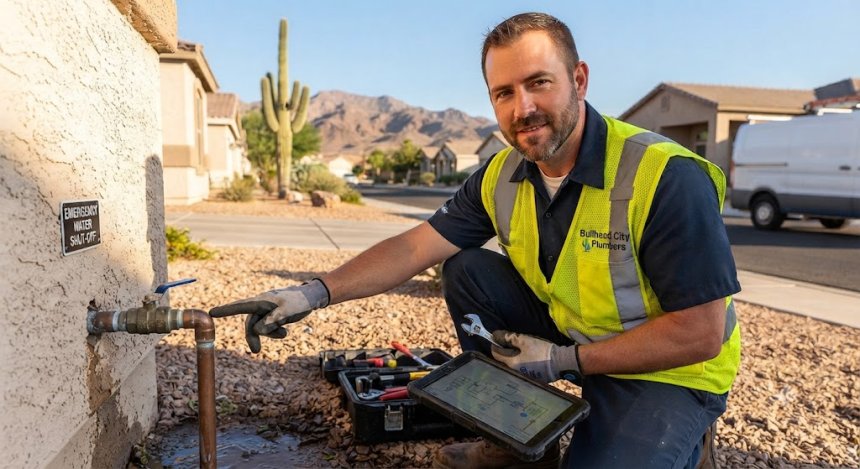
Outdoor faucets, commonly called hose bibs, are the small valves on exterior walls that supply water for hoses. Because these fixtures extend beyond insulated walls, they're the first plumbing components to feel temperature extremes. Heat dries out washers and seals. A slow drip may not seem urgent, but constant summer use can add up and raise your water bill significantly .
Backflow Preventer Issues
If you have an irrigation system, you have a backflow preventer. This device stops contaminated water from your yard from flowing backward into your home's clean drinking water supply. In the desert, where irrigation water can sit in hot pipes and grow bacteria, a working backflow preventer is non-negotiable. The internal rubber seals degrade in our heat, requiring annual testing .
Pool Equipment Degradation
If you have a pool, you know how fast the sun degrades anything left outside. UV rays break down PVC pipes over time, making them brittle and prone to cracking. A small crack in a return line can leak hundreds of gallons of water before you even notice .
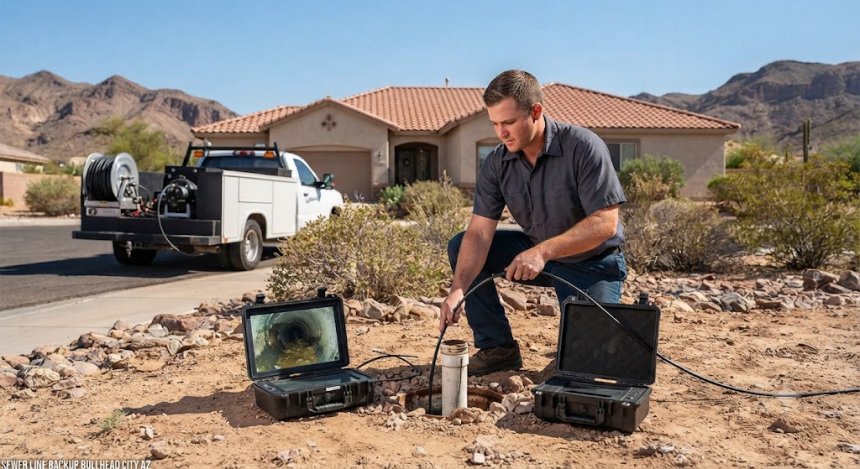
Slab Leaks and Underground Line Shifts
Hot, dry weather makes slab leaks more likely because the ground beneath your home doesn't always stay stable. When soil dries out, it can pull away from the foundation. Then summer storms may add moisture back unevenly, creating movement around buried plumbing lines .
Signs You Should Never Ignore
Some outdoor plumbing problems give you warning. Here's what to watch for:
Wet Spots in Your Yard
If one area of your yard stays wet or soggy, even when you haven't watered, you probably have an underground leak. This is especially common with irrigation lines and main supply lines .
Unexplained Water Bill Spikes
If your water usage hasn't changed but your bill has jumped, you have a leak somewhere. An outdoor leak can waste thousands of gallons before you notice other signs.
Low Water Pressure
Pressure that drops, especially when irrigation kicks on, can indicate a failing underground line .
Constant Dripping from Hose Bibs
A slow drip at an outdoor faucet may not seem urgent, but constant summer use can add up and raise your water bill significantly .
Meter Movement with Nothing Running
Check your water meter at night when nothing in the house is running. If the dial is still moving, you have a leak somewhere, often in an underground line .
Dry or Dying Plants in One Area
If one section of your landscaping is dying while everything else thrives, you might have a leak that's either flooding or starving that area. Conversely, an area that stays greener than the rest likely has a leak.
How to Protect Your Outdoor Plumbing
You don't have to let the desert destroy your outdoor plumbing. Here's what you can do:
Insulate and Shade Exposed Pipes
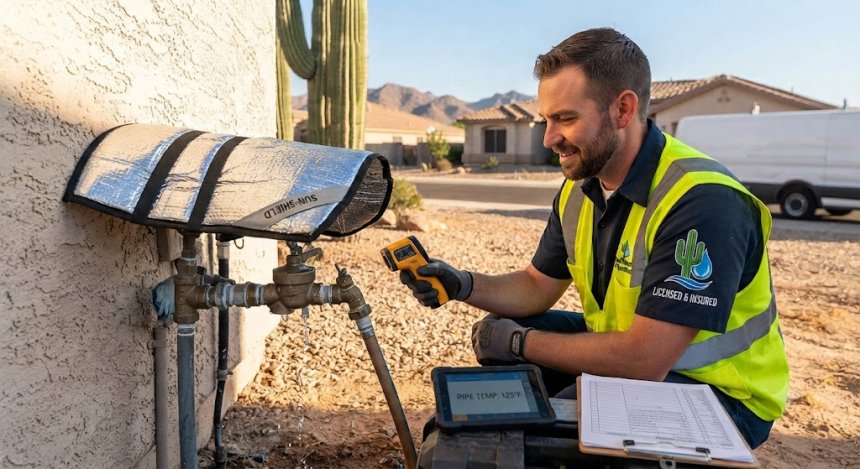
To prevent heat-related damage, insulate exposed pipes using foam or other insulating materials. This reduces the risk of expansion and contraction while also protecting against UV damage . Painting exposed PVC pipes with UV-resistant outdoor latex paint is a simple way to add years of life to your pool equipment and irrigation lines .
Protect Hose Bibs
Disconnect and drain garden hoses when not in use. Heat can cause water in attached hoses to expand, stressing the hose bib. Cover outdoor faucets with insulated covers during cooler months. And inspect hose bibs regularly for leaks or corrosion .
Maintain Your Irrigation System
Flush your irrigation lines at least twice a year. Just open the ends of the lines and let the water run for a few minutes to clear out sediment. Walk your yard while the system is running to check for geysers—a sure sign that an emitter has blown off or a line has cracked from sun exposure. Bury your drip lines under a layer of gravel or mulch to protect from direct sunlight and help the soil retain moisture .
Test Your Backflow Preventer Annually
Have your backflow preventer tested annually. It's not just a good idea; it's often required by local codes. Visually inspect it every few months. Look for constant dripping or pooling water around the base. A steady leak means the internal seals have failed .
Monitor Water Pressure
High water pressure can strain your pipes, so it's important to monitor it regularly. Installing a pressure regulator can help keep pressure levels within a safe range, reducing stress on your plumbing system . A gauge that screws onto a hose bib costs very little and tells you in seconds whether your pressure is in range .
Know Where Your Shutoff Valve Is
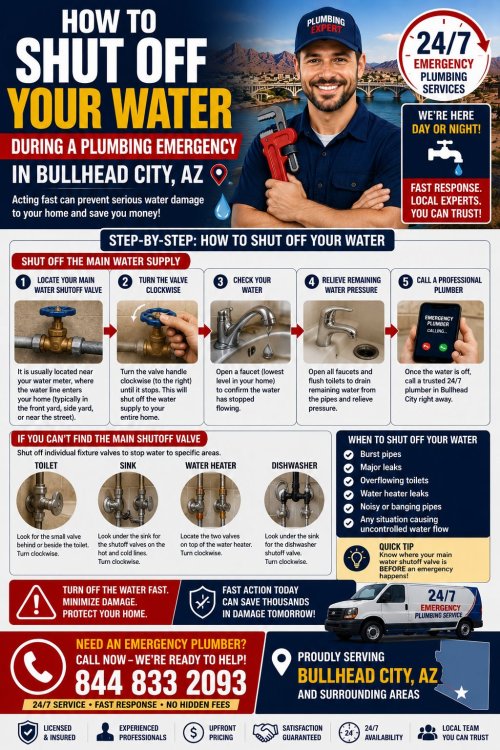
Every adult in the home should know where the main shutoff is and how to close it. On most properties, the main is either at the meter at the street or at a riser near the front of the house. If the valve hasn't been turned in years, it can seize .
Schedule Regular Plumbing Inspections
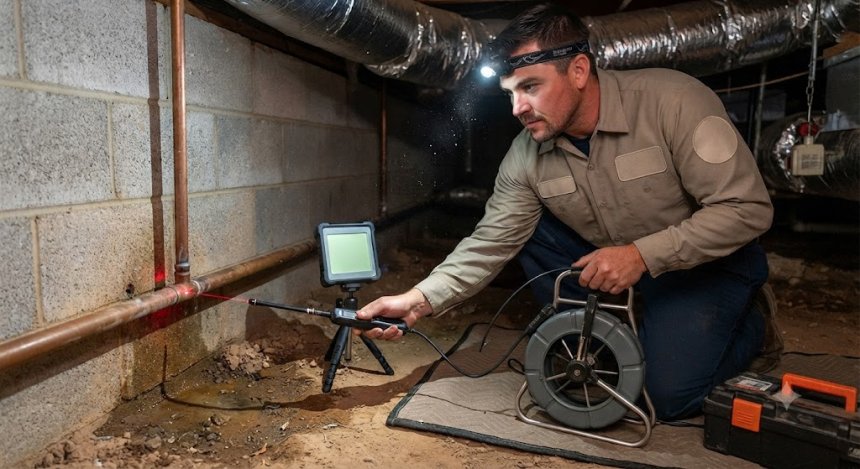
Scheduling routine plumbing inspections can help detect potential issues before they escalate. A professional plumber can identify signs of wear and tear, leaks, or shifting pipes and recommend preventive measures .
Seasonal Maintenance Checklist for Bullhead City
Spring (Before Summer Heat Hits)
-
Inspect and test irrigation systems
-
Check hose bibs for leaks
-
Apply UV-resistant paint to exposed PVC pipes
-
Schedule a plumbing inspection
-
Flush irrigation lines to remove debris
Summer (During Peak Heat)
-
Check water meter for unexplained usage
-
Walk the yard weekly to check for wet spots
-
Monitor water pressure
-
Test backflow preventer
-
Keep an eye on water bills for spikes
Fall (Before Monsoon and Cooler Nights)
-
Disconnect and drain garden hoses
-
Cover outdoor faucets with foam covers
-
Inspect pool equipment for UV damage
-
Check underground lines for shifting
-
Adjust irrigation timers for seasonal changes
Winter (For Desert Freezes)
-
Insulate exposed pipes with foam tubing or wrap insulation tape
-
If temperatures are expected below freezing for four or more hours, drip outside faucets at about five drops per minute
-
Drain and winterize irrigation systems
When to Call a Professional
Some outdoor plumbing issues are DIY-friendly. Others require a licensed plumber:
DIY-friendly:
-
Replacing a worn washer on a hose bib
-
Flushing irrigation lines
-
Applying UV-resistant paint to exposed pipes
-
Installing foam insulation on pipes
-
Removing garden hoses for winter
Call a professional:
-
Wet spots in the yard with no obvious cause
-
Unexplained water bill spikes
-
Low water pressure with no clear cause
-
Irrigation system that won't pressurize
-
Any underground pipe you'd have to dig up
-
Backflow preventer testing or repairs
-
Slab leak detection