Troubleshooting Low Water Pressure in Bullhead City Homes
Learn how to diagnose and troubleshoot low water pressure in your Bullhead City home. Discover whether the issue is isolated, caused by hard water scaling, or a main line problem.

Understanding Low Water Pressure in Your Home
Dealing with a weak trickle from your showerhead or a sluggish kitchen faucet can make everyday chores frustrating. When water pressure drops suddenly or declines gradually over time, it is rarely a random occurrence. Plumbing systems rely on consistent pressure to move water efficiently through supply lines, fixtures, and appliances. Figuring out why the pressure has dropped requires a systematic approach to isolate whether the issue affects a single fixture, a specific area, or the entire house.
For homeowners in Bullhead City, Arizona, unique regional factors—such as local water composition and intense summer heat—frequently play a role in how plumbing infrastructure ages and performs. Understanding these mechanics helps you diagnose the root cause and avoid unnecessary repairs.
Step 1: Isolate the Problem (Fixture vs. Whole House)
The very first step in troubleshooting low water pressure is determining the scope of the problem. Ask yourself a few basic questions:
- Does the weak pressure affect only one specific faucet or showerhead?
- Is the low pressure happening on both hot and cold water settings?
- Do other fixtures in the same room or different parts of the house experience the same weakness?
If only one fixture has low pressure, the issue is almost certainly isolated to that specific component. If multiple fixtures throughout the house show weak flow on both hot and cold lines, the problem originates further back in the plumbing system, such as at the main shutoff valve, the pressure regulator, or the municipal supply.
Common Causes of Single-Fixture Low Pressure
When a single faucet or showerhead loses pressure, the cause is usually localized and relatively easy to inspect without specialized tools.
Aerators and Showerhead Scaling
Most modern faucets feature a small mesh screen called an aerator at the tip, designed to mix air into the stream and prevent splashing. Showerheads also contain internal flow restrictors or fine spray nozzles. In regions with hard water—where water contains high concentrations of dissolved minerals like calcium and magnesium—these small openings act as natural traps for mineral buildup.
Over time, white, crusty mineral deposits accumulate inside aerators and showerheads, physically blocking the pathways and reducing water flow. To check for this, unscrew the faucet aerator or detach the showerhead and inspect the interior. If you notice white scaling, soaking the part in a mild descaling solution or vinegar overnight will often dissolve the buildup and restore full pressure immediately.
Partially Closed Shutoff Valves
Beneath most sinks and behind certain fixtures, you will find individual supply stop valves. If someone bumped a valve during cleaning or if it was not fully reopened after a repair, a partially closed valve will restrict water volume and cause low pressure at that specific fixture only.
Common Causes of Whole-House Low Pressure
If every faucet and shower in the house suffers from weak flow, the restriction lies within the primary water supply system.
The Main Water Shutoff Valve
Every home has a main water shutoff valve, typically located where the service line enters the house—either near an exterior wall, inside a garage, or buried in an outdoor meter box. If this valve is even slightly out of position, it will choke the volume of water entering the home, resulting in an immediate drop in pressure across all fixtures.
Pressure Reducing Valves (PRVs)
Many homes utilize a Pressure Reducing Valve (PRV) installed near the main water entry point to protect indoor plumbing from excessively high municipal water pressure. When a PRV begins to fail internally, its spring mechanism weakens or the internal bypass clogs with debris. A failing PRV can cause pressure to drop drastically throughout the house. Adjusting the top bolt on a PRV can sometimes temporarily alter pressure, but a failing valve generally requires professional replacement.
Hard Water Mineral Buildup Inside Pipes
Over years of service, dissolved minerals in hard water can gradually coat the interior walls of galvanized steel or even copper supply piping. As mineral layers thicken, the effective internal diameter of the pipe shrinks, restricting water volume and pressure. This type of pressure loss usually happens very slowly over many years, making the gradual decline easy to miss until it becomes severe.
Regional Factors: Bullhead City Water and Climate
Local environmental conditions can influence plumbing performance in specific ways. The desert climate of the Tri-State area means high summer temperatures heat the ground and the water running through shallow exterior supply lines. Additionally, mineral-rich groundwater sources supply many area homes.
While mineral scaling is a common maintenance concern for fixtures and water heaters alike, it does not mean every home experiences identical plumbing wear. The type of piping material used during construction—whether copper, PEX, or older galvanized steel—greatly dictates how susceptible a home is to internal scaling and corrosion.
Safe Troubleshooting Steps for Homeowners
Before calling for professional help, a homeowner can safely perform several checks:
- Check neighboring properties: Ask a neighbor if they are experiencing low water pressure. If an entire neighborhood has low pressure, the issue may stem from municipal supply work or utility maintenance.
- Inspect accessible valves: Verify that both the main water meter valve and the home's main indoor shutoff valve are fully open.
- Clean fixture aerators: Remove and clean mineral deposits from faucet screens and showerheads.
- Test multiple taps: Run a bathtub faucet and a kitchen sink at the same time to see how the pressure behaves under higher demand.
When to Seek Professional Diagnosis
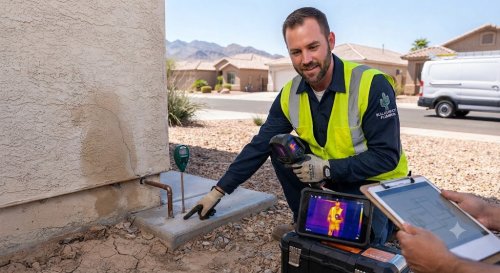
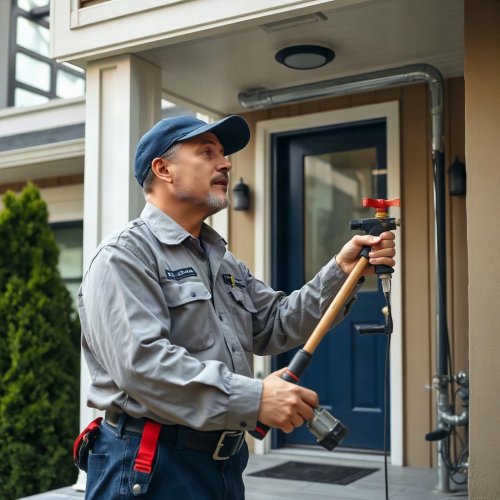
If fixture-level cleaning and valve checks do not resolve the problem, the underlying cause likely involves hidden components such as a malfunctioning PRV, a failing pressure booster pump, or a damaged underground service line. A licensed plumber can attach a pressure gauge to an outdoor hose bibb to measure exact static and dynamic pressure levels, determining whether the restriction originates from the municipal supply, the home's pressure regulator, or internal pipe blockages.
Understanding your home's water system and knowing how to perform basic checks helps you distinguish minor maintenance tasks from complex repairs, ensuring your plumbing runs efficiently year-round.