Why Does Water Pressure Fluctuate? Causes & Fixes for Homes
Discover why your home water pressure fluctuates. Learn how to diagnose whole-house vs. fixture-specific pressure drops, mineral buildup, and pressure regulator issues.


Understanding Water Pressure Fluctuations in Your Home
Few things are as frustrating as stepping into the shower only to have the water stream randomly surge and drop, or washing dishes while the kitchen faucet behaves erratically. Water pressure fluctuations are more than just an annoyance; they are often a symptom of an underlying issue within your home’s plumbing system or the municipal supply.
When pressure surges or drops unpredictably, it helps to narrow down whether the issue affects a single fixture, multiple fixtures in a specific area, or the entire house. Understanding the root cause can save you time, prevent unexpected equipment damage, and help you determine when a simple cleaning will suffice versus when a hardware replacement is necessary.
Is the Fluctuation Localized or Whole-House?
The very first step in diagnosing pressure changes is isolation. Turn on various faucets throughout the house to see if the problem follows a pattern.
- Single Fixture: If only the bathroom sink or the kitchen faucet experiences pressure drops, the issue is almost always isolated to that specific fixture. Aerators, supply line valves, or cartridge assemblies are usually the culprits.
- Multiple Fixtures on One Line: If the hot water drops in pressure every time the washing machine runs, you may be dealing with undersized piping, a partially closed supply valve, or a struggling water heater.
- Whole-House Fluctuation: If every shower, sink, and outdoor spigot experiences random surges or drops, the problem lies in your home's main water supply, the municipal service connection, or your pressure-regulating valve (PRV).
Common Causes of Whole-House Pressure Surges and Drops
When an entire property experiences inconsistent water pressure, the mechanical components responsible for regulating or delivering water are usually involved.
1. Failing Pressure Reducing Valve (PRV)
Most homes are equipped with a pressure-regulating valve located near the main water shutoff where the service line enters the house. This bell-shaped brass device reduces high municipal water pressure down to a safe level for household plumbing—usually between 50 and 70 psi.
When a PRV fails, it often loses its ability to stabilize pressure. You might notice sudden high-pressure spikes (especially at night when municipal demand drops) or erratic drops when multiple taps are opened. Tapping lightly on the PRV while running water can sometimes temporarily alter a stuck spring, but a failing PRV ultimately requires replacement by a professional plumber equipped with pressure-testing gauges.
2. Thermal Expansion in Closed Systems
If your water pressure surges specifically when the water heater kicks on, your system may be suffering from unmanaged thermal expansion. When water is heated, it expands. In an open plumbing system, this extra volume pushes back out toward the municipal main. However, if your home has a backflow preventer, check valve, or pressure regulator, the system becomes closed.
Without an expansion tank to absorb the extra volume, water pressure builds rapidly inside the home until a faucet is opened, resulting in a sudden pressure surge or hammering sound. This puts unnecessary stress on supply lines, washing machine hoses, and fixture cartridges.
3. Mineral Buildup and Hard Water Restrictions
In regions with high mineral content in the water supply, such as the lower Colorado River valley, dissolved calcium and magnesium can precipitate out of solution over time, especially when exposed to heat. This mineral scale coats the interior of supply pipes, water heater dip tubes, and fixture aerators.
While scale accumulation generally causes a gradual, permanent reduction in flow rather than sudden random fluctuations, a loose flake of mineral scale can break free and temporarily lodge itself inside a valve seat, pressure regulator, or faucet cartridge, creating erratic flow patterns until it dissolves or passes through.
Fixture-Specific Pressure Drops You Can Check Yourself
Before assuming a major plumbing failure, perform a few simple, non-invasive checks around the house.
- Inspect Faucet Aerators: Unscrew the small screen tip at the end of your kitchen or bathroom faucet. Over time, sediment, rust flakes, and mineral scale collect in these fine meshes, choking off water flow. Rinse the screen and screw it back on.
- Verify Supply Valve Positions: Check the angle stops underneath sinks and the main shutoff valve. If a valve is partially closed or vibrating loose, it can restrict flow and cause strange pressure behavior when paired with other running fixtures.
- Check the Water Meter Valve: If your entire house experiences low pressure, ensure the main municipal shutoff valve near the street meter is fully open. Sometimes, partial closure during landscaping or utility work goes unnoticed.
When Pressure Fluctuations Require Professional Attention
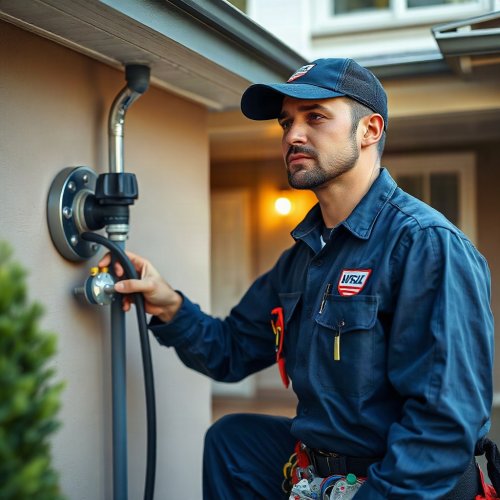
While cleaning an aerator is a great DIY task, other symptoms require specialized diagnostic tools. A professional plumber will typically attach a pressure gauge to an outdoor hose bib to monitor static pressure and dynamic pressure under load.
If pressure drops drastically when a single indoor faucet is opened, it points to a severe bottleneck in the piping. If pressure reads normal at rest but fluctuates wildly when appliances cycle, internal valve failures or failing pressure regulators are usually confirmed.
Addressing pressure issues promptly protects your home's appliances. Persistently high pressure wears out dishwasher solenoids, toilet fill valves, and water heater tanks prematurely, while chronic low pressure often masks failing pipes or severe blockages.
Practical Takeaway
Diagnosing water pressure fluctuations starts with observation. Note whether the change happens house-wide or at a single tap, and pay attention to whether appliances trigger the event. Simple fixes like cleaning aerators can resolve localized issues, but erratic whole-house pressure changes typically point to mechanical components like a worn pressure-regulating valve or a missing thermal expansion tank that require targeted professional repair.