Troubleshooting Low Water Pressure in Bullhead City Homes
Learn how to diagnose and troubleshoot low water pressure in your Bullhead City home. Discover whether the issue is localized or whole-house, and how local hard water factors in.

Understanding Low Water Pressure in Your Home
Dealing with a weak stream from your showerhead or a sluggish kitchen faucet can make everyday chores frustrating. When water pressure drops, the first step toward a solution is determining whether the issue affects a single fixture or your entire house. Water pressure problems rarely fix themselves, but understanding the underlying mechanics can help you identify the root cause before spending money on repairs.
In regions with distinct mineral profiles like the desert southwest along the Colorado River, water pressure complaints often intersect with local water characteristics. However, not every pressure drop points to a regional utility issue; many culprits are hidden right inside your home's plumbing network.
Is the Problem Localized or Whole-House?
The fastest way to narrow down a low water pressure problem is to isolate where it is happening:
- Single Fixture: If only one sink or shower has low pressure, the issue is almost always restricted to that specific fixture, its supply lines, or its shutoff valves.
- Multiple Fixtures / Whole House: If every faucet, shower, and hose bib in the home experiences weak flow, the restriction lies further upstream, involving your main water supply valve, pressure regulator, or supply pipe network.
Common Causes of Localized Pressure Drops
When just one or two fixtures lose pressure, checking them requires no special tools and carries no risk:
1. Clogged Aerators and Showerheads
Every faucet has an aerator screen at the tip, and most modern showerheads contain built-in flow restrictors or filters. Over time, mineral deposits from hard water accumulate in these tiny openings, physically blocking water from exiting smoothly. Unscrewing a faucet aerator and soaking it in a mild descaling solution often restores full flow instantly.
2. Partially Closed Shutoff Valves
Underneath sinks and behind toilets lie individual supply stop valves. If someone bumped a valve during cleaning or maintenance, it may be partially closed. Ensure the valve handle is fully open and aligned parallel to the pipe.
Common Causes of Whole-House Pressure Drops
If your entire home suffers from poor flow, the cause is typically located near where the water enters the building:
1. Failing Pressure Reducing Valve (PRV)
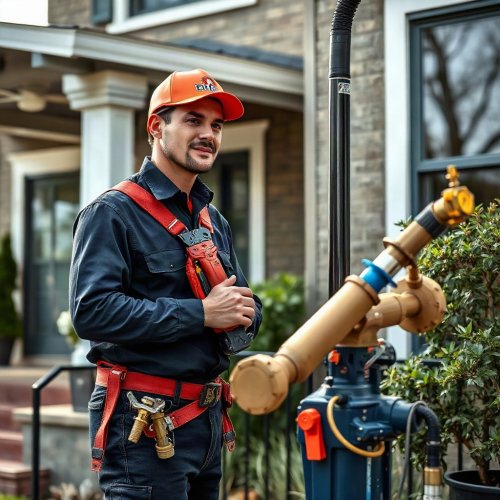
Most homes connected to municipal water systems feature a pressure reducing valve—a bell-shaped brass device usually installed near the main water shutoff where the line enters the house. The PRV regulates incoming municipal pressure down to a safe level for household fixtures (typically between 50 and 70 psi). When a PRV fails internally, its springs and rubber diaphragms wear out, causing water flow to bottleneck severely. A failing PRV often causes pressure to drop abruptly or fluctuate wildly when multiple taps are opened.
2. Mineral Scale Buildup in Galvanized Piping
Older homes built with galvanized steel piping are particularly vulnerable to internal corrosion. Over decades, minerals bond to the interior walls of the pipes, gradually narrowing the internal diameter until water can barely squeeze through. If you notice pressure dropping progressively over several years across the entire home, internal pipe scaling is a prime suspect.
3. Main Shutoff Valve Restrictions
The main water meter shutoff or the house's main gate valve may not be fully open. If a valve was partially closed during prior maintenance or a city utility repair, it restricts the volume of water entering the home.
How Local Environmental Factors Play a Role
Homes in Bullhead City contend with very hard water drawn from local groundwater and river sources. High concentrations of dissolved calcium and magnesium do not just affect your drinking water; they actively precipitate out of solution whenever water is heated or sits stagnant in pipes. This mineral precipitation accelerates scale formation inside water heaters, valves, aerators, and older pipe networks, making routine inspection of filtration components and pressure valves especially important for local property owners.
Safe Troubleshooting Steps for Homeowners
Before calling a professional or replacing expensive hardware, you can safely perform these diagnostic steps:
- Check neighboring taps: Turn on both hot and cold water separately. If low pressure happens only on the hot side, the issue likely originates at your water heater rather than the main supply.
- Inspect the main valve: Locate your main water shutoff valve (often found near the front exterior wall or inside a garage utility closet) and verify it is completely open.
- Test hose bibs: Check the outdoor hose bib closest to the water meter. If the outdoor pressure is strong while indoor pressure is weak, the problem is isolated inside your home's interior piping or fixtures. If outdoor pressure is also weak, the issue may involve the municipal supply or the main service line.
When to Seek Professional Diagnosis
While cleaning an aerator is a straightforward weekend task, internal plumbing problems require specialized diagnostic tools. A professional plumber can attach a pressure gauge directly to a hose bib to measure exact static and dynamic pressure levels, test PRV functionality, and inspect older pipe materials for hidden restrictions or leaks. Understanding these variables ensures you can make informed decisions when evaluating repair options for your property.