Why Mobile Home Water Pressure Drops & How to Diagnose It
Discover the hidden causes of low water pressure in manufactured homes, from scale-clogged supply lines to uninsulated underbelly piping failures.

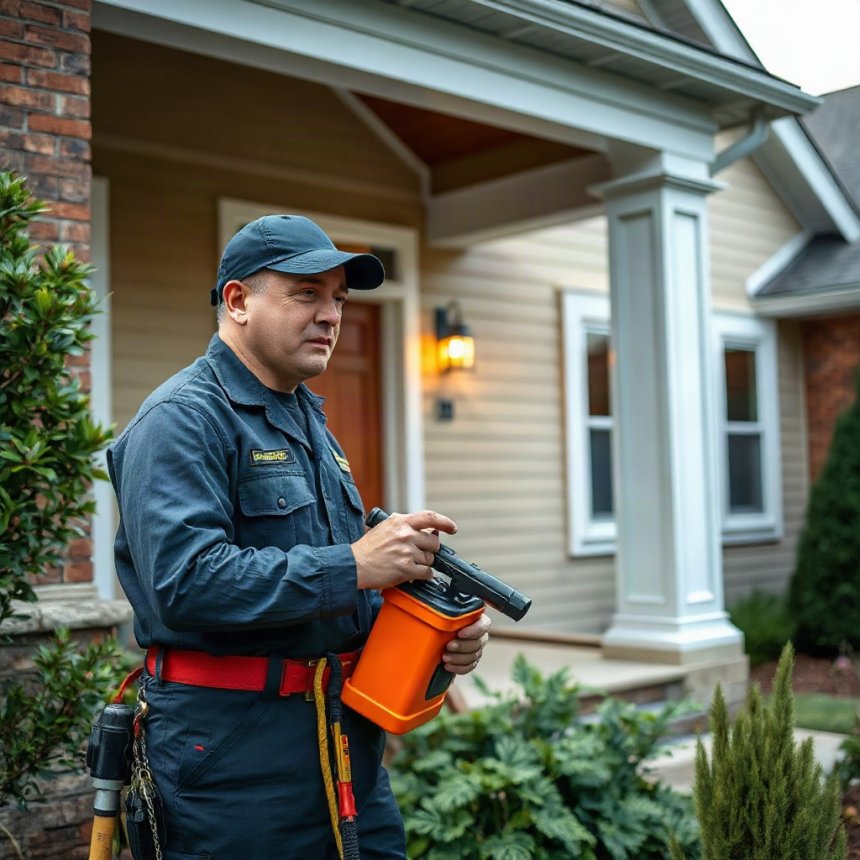
Low water pressure in manufactured and mobile homes is typically caused by severe mineral accumulation inside supply lines, failing pressure regulators, or restricted flow through underbelly PEX and polybutylene piping networks. In the arid, high-mineral environment of the Colorado River Valley, calcium and magnesium carbonates precipitate out of hard water rapidly, forming rock-hard scale crusts that choke pipe interiors and seize fixture aerators.
The Mechanics of Mineral Choking in Underbelly Supply Lines
Unlike site-built homes with slab-anchored copper, manufactured properties rely extensively on flexible supply lines routed beneath the subfloor within an enclosed belly board. During punishing summer months, ambient temperatures inside unventilated mobile home crawl spaces spike dramatically. This thermal cycling accelerates the precipitation of dissolved solids in municipal or well water, causing calcium scale to plate out along the inner walls of cross-linked polyethylene and older polybutylene tubing.
As these mineral layers thicken, the internal diameter of the pipe constricts. While static pressure gauges may still read normally when taps are closed, the moment a faucet opens, the restricted cross-sectional area prevents adequate volume delivery. The result is a sharp drop in dynamic pressure, leaving showerheads trickling and washing machines timing out during fill cycles.
Pressure Regulator Failures and Thermal Expansion Lockup
Most manufactured homes utilize a dedicated Pressure Reducing Valve (PRV) located near the main water entry point. When these brass devices fail—often due to internal spring fatigue or debris accumulation from municipal line maintenance—they lock up completely or restrict flow to a mere fraction of the incoming utility pressure.
Furthermore, closed-system thermal expansion exacerbates the problem. As water heaters cycle on during peak heat conditions, water expands. Without a functional thermal expansion tank, the resulting pressure spikes stress internal PRV diaphragms, warping rubber seals and causing erratic pressure fluctuations throughout the home's fixtures.
Unseen Belly Board Leaks and Sagging PEX Runs
A frequently overlooked culprit behind sudden pressure loss is hidden subfloor structural failure. When a pinhole leak develops in an underbelly PEX supply line, escaping water is captured by the black polyethylene belly wrap rather than draining to the ground. As thousands of gallons saturate the insulation batts, the sheer weight pulls down the framing and sags the flexible supply lines.
This physical sagging creates a hydraulic trap. Water must fight gravity to climb back up toward floor penetrations, creating localized pressure drops at specific fixtures while others appear unaffected. If left unaddressed, the trapped moisture rots wooden floor decking and breeds hazardous mold directly beneath the living space.
Diagnostic Steps for Safe Homeowner Triage
Homeowners can isolate pressure issues safely using basic diagnostic procedures before risking damage to delicate fixtures:
- Meter Flow Test: Locate the main water meter outside. Ensure all indoor and outdoor fixtures are completely closed. Check if the leak indicator dial is spinning; movement indicates a hidden line breach under the home or in the yard.
- Aerator Inspection: Unscrew the nozzle screens from bathroom and kitchen faucets. Tap out accumulated white crust. Soak clogged screens in a 50/50 water and vinegar solution to dissolve localized scale deposits.
- Isolation Testing: Turn on individual shutoff valves beneath sinks one at a time while monitoring flow velocity. If opening a valve causes an immediate pressure drop accompanied by pipe shuddering, the angle stop or supply tube is calcified.
Critical Safety Boundaries for Mobile Home Plumbing
Never attempt to cut into pressurized main lines or tamper with gas supply connections feeding manufactured home water heaters. Because mobile homes utilize lightweight materials—such as thin-walled polybutylene, gray Quest pipe, or brittle PVC drain lines—over-tightening fittings or applying excessive torque with wrenches will instantly crack factory connections. Never enter flooded underbelly crawl spaces where water has made contact with electrical junction boxes, heat tape, or subfloor wiring feeds.
Comparative Analysis of Manufactured Home Pressure Failures
| Failure Symptom | Root Cause | Diagnostic Test | Corrective Action |
|---|---|---|---|
| Sudden pressure drop at a single sink | Calcified aerator or seized angle stop | Remove aerator screen; test flow directly from nipple | Clean with descaling solution or replace shutoff valve |
| Whole-house pressure loss when multiple taps open | Failing PRV or mineral-clogged main entry line | Attach pressure gauge to hose bibb during dynamic flow | Replace pressure reducing valve or flush supply lines |
| Uneven pressure with gurgling sounds in walls | Sagging underbelly PEX pipe trapped in belly wrap | Visual inspection of crawl space via belly board access slit | Re-support sagging lines and repair hidden joint leaks |
Frequently Asked Questions
Why does my mobile home water pressure drop only when the weather gets extremely hot?
Extreme ambient heat causes uninsulated underbelly supply lines and plastic fittings to expand, while municipal water supplies carry higher concentrations of suspended minerals that precipitate faster at elevated temperatures. This thermal stress can distort flexible PEX lines and accelerate internal scale formation, temporarily constricting water volume during peak afternoon hours.
Can I use chemical drain openers or liquid scale removers to fix low pressure?
No. Liquid chemical drain acids generate severe exothermic reactions when they encounter trapped water or organic debris in narrow pipes. In manufactured homes equipped with thin PVC traps or delicate PEX fittings, this intense heat can soften, warp, or rupture the pipe walls, leading to catastrophic subfloor flooding.
How do I know if my mobile home has old polybutylene plumbing causing the restriction?
Polybutylene pipe is typically gray, blue, or black plastic stamped with the designation "PB2110." It is joined with plastic or metal insert fittings secured by aluminum crimp rings. Over time, chlorine and mineral-laden water degrades the inner walls of polybutylene, causing microscopic flaking that clogs downstream fixtures and leads to sudden joint blowouts.
What is the safe operating pressure range for a manufactured home water system?
Water pressure entering a manufactured home should ideally remain between 50 and 60 pounds per square inch (PSI). Pressures exceeding 80 PSI violate standard plumbing codes and will rapidly fatigue mobile home fixtures, washing machine supply hoses, and plastic toilet fill valves, increasing the risk of joint separation.
Why is water pooling under my mobile home when I run the shower?
This indicates a compromised drain line, tub waste-and-overflow gasket failure, or a ruptured supply line hidden inside the black belly wrap. The waterproof plastic underbelly acts as a hammock, catching gray water and holding it beneath the insulation until the weight causes the material to sag toward the ground.