Troubleshooting Low Water Pressure in Bullhead City Homes
Learn how to diagnose and troubleshoot low water pressure in your Bullhead City home. Discover whether the issue is local to a fixture or a whole-house supply problem.


Understanding Low Water Pressure in Your Home
Dealing with a weak stream from your showerhead or kitchen faucet can be frustrating. When water pressure drops, it usually points to a specific restriction somewhere between the municipal water supply and your plumbing fixtures. In Bullhead City, Arizona, understanding the unique combination of local water conditions and your home's internal plumbing layout is the first step toward diagnosing the issue accurately.
Before assuming you need a major plumbing overhaul, it helps to methodically check whether the pressure drop affects a single fixture or your entire house. This simple distinction narrows down the potential causes significantly and helps you decide whether you can fix the problem yourself or if it requires specialized diagnostic tools.
Is It One Fixture or the Whole House?
The most important diagnostic step is isolating the problem. Walk through your home and test multiple taps, including bathroom sinks, showers, bathtubs, and the main kitchen faucet.
- Single-fixture issue: If only one faucet or showerhead has low pressure while the rest of the house runs fine, the restriction is almost certainly isolated to that specific fixture.
- Whole-house issue: If every tap in the house experiences weak flow simultaneously, the problem lies within the main water supply line, the pressure regulator, or the main shutoff valve.
Common Causes of Single-Fixture Low Pressure
When a single tap loses pressure, the fix is usually straightforward and involves cleaning or clearing localized blockages.
Aerator and Showerhead Clogs
Faucets feature small mesh screens called aerators at the tip, and showers often have rubberized spray nozzles. Over time, mineral deposits—particularly calcium and magnesium common in regional water supplies—accumulate inside these tiny openings. As minerals build up, they physically block water from exiting freely.
To check an aerator, unscrew it from the tip of the faucet spout. If you see white, crusty buildup, soak the aerator in a small container of vinegar for a few hours to dissolve the minerals, then gently brush it clean before reinstalling.
Partially Closed Shutoff Valves
Underneath sinks, you will find small supply stop valves connected to the wall. If someone recently worked under the sink or bumped the valve, it might not be fully open. Ensure both the hot and cold water shutoff valves are turned completely counterclockwise to maximize flow.
Common Causes of Whole-House Low Pressure
If every fixture suffers from weak pressure, the underlying cause affects the entire distribution system.
The Main Water Shutoff Valve
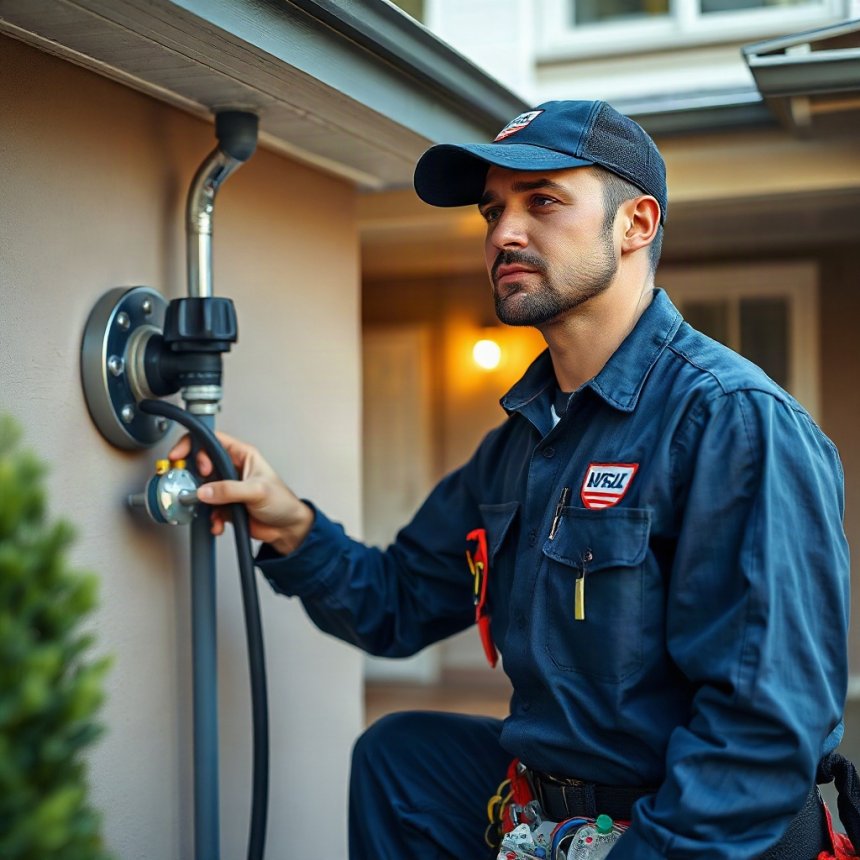
Check the main water shutoff valve where the supply line enters your home (often located near the front exterior wall, in a garage utility area, or inside an in-ground meter box near the street). If this valve is even partially closed, it restricts water volume entering the house, resulting in an immediate drop in pressure across all taps.
Pressure Reducing Valve (PRV) Failures
Many homes are equipped with a Pressure Reducing Valve (PRV) designed to lower high incoming municipal water pressure to a safe level for household pipes (typically set between 50 and 70 psi). When a PRV fails internally, the spring or diaphragm inside can seize up, effectively choking off water flow and causing a severe pressure drop.
Mineral Scale Accumulation in Pipes
Over decades of use, mineral scale can line the interior walls of older galvanized steel pipes, gradually narrowing the internal diameter of the pipe and restricting water volume. Homes with modern PEX or copper piping rarely face this specific issue, but older properties in the area should keep pipe material in mind during troubleshooting.
What Homeowners Should Check Before Calling a Professional
Before spending money on a service call, you can safely perform a few basic checks:
- Ask your immediate neighbors if they are experiencing low water pressure. If an entire street or neighborhood has low pressure, the issue likely originates with the municipal water utility provider rather than your private plumbing.
- Inspect all visible supply lines for signs of active leaks, damp drywall, or pooling water. A hidden leak can bleed off water volume and reduce pressure at the fixtures.
- Verify that your water meter valve and main house shutoff are fully open.
When Professional Diagnosis Is Necessary
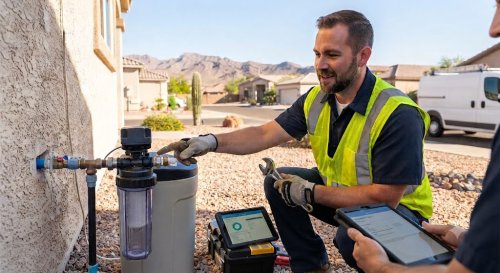
If your local utility confirms normal supply pressure, your main valves are fully open, aerators are clean, and you still experience weak pressure throughout the house, professional diagnostic equipment is required. A plumber can attach a pressure gauge directly to a hose bib to measure static and dynamic pressure accurately, test the PRV's internal performance, and inspect inaccessible supply lines for hidden restrictions or leaks.
Practical Maintenance Takeaway
Routine maintenance goes a long way in preventing mineral-related flow restrictions. Periodically unscrewing and cleaning sink aerators and showerheads prevents hard-water scale from choking off your fixtures. Keeping an eye on sudden pressure changes helps you catch minor valve or regulator issues before they turn into complete water loss.