A Simple 5-Step Home Plumbing
Learn a simple 5-step plumbing inspection routine to catch leaks and prevent costly damage in your Bullhead City home. Protect your property with this easy guide!

Introduction
Let me tell you something most homeowners don't realize: by the time you see water damage, the problem has been there for months, sometimes years. That water stain on your ceiling? It started as a tiny drip you could have fixed with a $5 part. That slab leak that cost you $10,000 to repair? It began as a pinhole that a simple inspection would have caught.
The problem is, most people treat their plumbing like they treat their smoke detectors—they only think about it when something goes wrong. But here's the thing: your plumbing system is working 24/7, 365 days a year. And in Bullhead City, with our hard water, extreme heat, and shifting soil, it's working under some of the toughest conditions in the country.
The good news? You don't need to be a plumber to do a basic inspection. You just need to know what to look for, and you need to do it regularly. A simple 20-minute inspection every few months can catch small problems before they become expensive emergencies. It can save you thousands of dollars. It can save you from water damage, mold, and the headache of a flooded home.
This guide walks you through a simple 5-step plumbing inspection you can do yourself. No special tools required. Just your eyes, your ears, and a little bit of time. I've been doing these inspections for years, and I can tell you—the problems I find are almost always ones that started small.
Why Bullhead City Plumbing Needs Extra Attention
Before we get to the steps, let's talk about why Bullhead City homes need more frequent inspections than homes in other parts of the country.
The Hard Water Factor
Bullhead City's water is classified as "very hard," measuring around 280 parts per million . That's about 103% harder than the national average. Hard water leaves mineral deposits inside your pipes, fixtures, and appliances . Over time, this scale buildup restricts water flow and increases pressure behind the blockage. A 1/16-inch coating of scale inside your water heater can increase energy costs by 11%.
The Heat Factor
Bullhead City summers regularly exceed 110 degrees. This extreme heat causes pipes to expand and contract, stressing joints and fittings . Exposed pipes in attics or crawl spaces are particularly vulnerable. The heat also accelerates the deterioration of rubber seals, gaskets, and washers.
The Soil Factor
Arizona's expansive clay soils shift as they dry out in the summer and absorb moisture during monsoons . This movement stresses underground pipes and can cause them to crack or separate at joints. The result is often slab leaks that go undetected until they've caused significant damage.
The Aging Infrastructure Factor
Many Bullhead City homes have plumbing systems that are 30, 40, or even 50 years old. Galvanized steel pipes corrode from the inside out, and the heat accelerates that process. By the time you see a leak, the pipe has been failing for years.
The 5-Step Inspection Routine
Here's the routine you can do yourself, in about 20 minutes, to catch common plumbing problems before they become disasters.
Step 1: Check All Visible Pipes
This is the easiest step, and it's the one that catches the most problems.
What to do:
-
Go under every sink in your house—kitchen, bathroom, utility room.
-
Look at the pipes. Do you see any water? Any moisture? Any corrosion?
-
If a pipe looks damp or has greenish-blue staining (on copper pipes), that's a sign of a slow leak. It's not going to fix itself.
-
Check the flexible supply lines running to faucets and toilets. Look for bulges, cracks, or rust. These lines should be replaced every 5-10 years, even if they look fine.
-
Check visible pipes in your basement, crawl space, or utility room.
What to look for:
-
Active drips or moisture
-
Corrosion or rust
-
White or green buildup (mineral deposits)
-
Bulging or cracked flexible supply lines
-
Water stains on pipes or surrounding areas
What it means:
-
Drips or moisture: You have a leak. Even a slow drip wastes water and can cause damage over time.
-
Corrosion: Your pipes are aging. Watch them closely and consider replacement if they're over 30 years old.
-
Mineral buildup: Your hard water is doing its thing. Consider a water softener.
-
Bulging supply lines: Replace them now, before they burst and flood your home.
Pro tip: Take a flashlight with you. The best way to find a leak is to shine the light on a pipe and look for reflection off water.
Step 2: Test Your Water Pressure
High water pressure is one of the leading causes of burst pipes. It stresses your entire plumbing system and can cause leaks that wouldn't otherwise happen.
What to do:
-
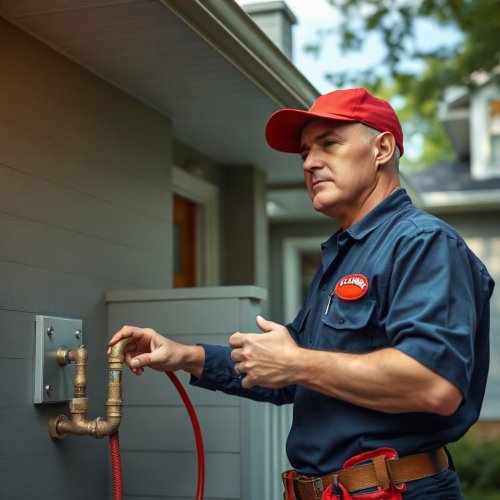
Buy a water pressure gauge from a hardware store (they cost about $10-15).
-
Attach it to an outdoor hose bib or your washing machine hookup.
-
Turn on the water and check the reading.
What to look for:
-
Normal pressure is between 40 and 60 PSI.
-
Over 80 PSI is considered too high and can damage your plumbing.
What it means:
-
Pressure over 80 PSI: You need a pressure regulator. This is a small device installed on your main water line that reduces pressure to a safe level. It can save you from costly pipe failures.
Pro tip: Check pressure at different times of day. Municipal pressure can fluctuate, especially during peak usage hours.
Step 3: Inspect Your Water Heater
Your water heater works harder than any other appliance in your home. It's constantly heating water, and in Bullhead City, it's working against hard water that leaves sediment behind.
What to do:
-
Look at the base of your water heater. Is there any water? Any rust?
-
Check the temperature and pressure relief valve (T&P valve). It's the valve on the side with a pipe extending down.
-
Lift the T&P valve lever slightly. Water should discharge from the pipe. If it doesn't, the valve is faulty.
-
Listen to your water heater. Do you hear rumbling, popping, or banging noises?
What to look for:
-
Puddles or rust at the base
-
Rust on the tank body
-
Faulty T&P valve
-
Strange noises
What it means:
-
Puddles or rust: Your tank is failing. Start planning for replacement.
-
Rumbling noises: Sediment has built up at the bottom of the tank. Flush the tank to remove it.
-
Faulty T&P valve: This valve releases pressure to prevent explosions. It must work. Call a plumber.
Pro tip: Write the installation date on your water heater with a marker. Most water heaters last 8-12 years. When you approach that age, start setting aside money for replacement.
Step 4: Check Drains and Toilets
Slow drains are early warning signs. They mean something is building up inside your pipes, and if you ignore it, it will eventually become a complete blockage.
What to do:
-
Run water in every sink, shower, and tub. Does it drain quickly, or does it pool?
-
Listen for gurgling sounds. This often means there's air trapped by a blockage.
-
Check your toilets. Flush each one and listen. Does it flush properly? Does the tank refill quickly?
-
Look in the toilet tank. Check the flapper, fill valve, and float.
What to look for:
-
Slow draining sinks, showers, or tubs
-
Gurgling sounds from drains
-
Toilets that take a long time to refill
-
Running toilets
-
Water stains inside the toilet bowl
What it means:
-
Slow drains: You have buildup in your pipes. This could be grease, hair, or hard water scale.
-
Gurgling sounds: There's a blockage or trapped air. Address it before it becomes a complete clog.
-
Running toilet: A simple flapper replacement can save hundreds of gallons of wasted water.
-
Slow refill: Your fill valve may be failing or clogged with sediment.
Pro tip: Don't use chemical drain cleaners. They're corrosive and can damage your pipes. Use a plunger or call a plumber.
Step 5: Check Exterior Plumbing
Bullhead City's outdoor plumbing takes a beating from heat, UV rays, and hard water. It's often the most neglected part of the system.
What to do:
-
Check hose bibs. Turn them on and look for drips around the handle.
-
Look for wet spots in your yard, especially where you don't water.
-
Check your irrigation system. Run it and walk around to look for geysers or pooling water.
-
Check exposed pipes around your home's exterior. Look for UV damage—cracking, fading, or brittleness.
-
Check your water meter. Turn off all water in the house and look at the meter. If it's still moving, you have a leak.
What to look for:
-
Dripping hose bibs
-
Wet spots in your yard
-
Geysers or pooling water from irrigation
-
Cracking or brittleness on exposed pipes
-
Water meter moving when nothing is running
What it means:
-
Dripping hose bib: Replace the washer or the entire bib. A small drip can waste hundreds of gallons.
-
Wet spots in yard: You have an underground leak. Call a plumber.
-
Irrigation geysers: A line has cracked or an emitter has blown off. Repair it before your water bill skyrockets.
-
Cracked exterior pipes: UV damage is making them brittle. Protect them with paint or insulation.
Pro tip: Arizona has strict water restrictions. Leaks that waste water must be fixed within 72 hours . A regular exterior check can help you avoid violations.
What to Do If You Find a Problem
You've done your inspection. You've found something. Now what?
For Small Problems (DIY-Friendly)
-
Dripping faucet: Replace the washer or cartridge. It's a simple fix.
-
Running toilet: Replace the flapper. It takes 5 minutes and costs about $5.
-
Slow drain: Try a plunger. If that doesn't work, use a drain snake.
-
Hose bib drip: Replace the washer or the entire bib.
For Bigger Problems (Call a Professional)
-
Active leaks anywhere: Call a plumber. Even a small leak can cause damage.
-
Visible pipe corrosion: This means the pipe is failing. Call a plumber.
-
Water heater issues: Rust, puddles, or strange noises mean failure is imminent. Call a plumber.
-
Underground leaks: These require specialized equipment to locate and repair. Call a plumber.
-
Any problem with gas lines: Call a professional immediately.
For Water Heater Issues
If you find sediment buildup, flush the tank. If you find rust or puddles, the tank is failing and needs replacement. If the T&P valve doesn't work, call a plumber.
Sample Inspection Checklist
Print this checklist and use it for your quarterly inspection:
- □
Under-sink pipes (all sinks) - dry, no corrosion?
- □
Flexible supply lines - no bulges or cracks?
- □
Water pressure - between 40-60 PSI?
- □
Water heater base - dry, no rust?
- □
Water heater T&P valve - working?
- □
Water heater noises - no rumbling?
- □
Drains (all) - draining quickly?
- □
Toilets - flushing properly, no running?
- □
Hose bibs - no drips?
- □
Yard - no wet spots?
- □
Irrigation system - no geysers?
- □
Water meter - not moving with all water off?
- □
Exterior pipes - no UV damage?