Why Does Water Pressure Fluctuate in Your Home? Causes & Fixes
Understand why water pressure fluctuates in Bullhead City homes. Learn how to identify municipal supply issues, failing pressure regulators, and mineral scale.


Understanding Water Pressure Fluctuations
Dealing with unpredictable water pressure can turn a simple shower into a frustrating experience. One minute you have a steady, strong stream, and the next, it drops to a trickle or surges unexpectedly. In Bullhead City, Arizona, where desert heat and unique municipal supply demands put distinct stresses on residential plumbing, water pressure fluctuations are a frequent homeowner complaint.
When pressure changes happen inconsistently, pinpointing the source requires looking at both your home's internal plumbing system and the external municipal supply. Understanding the underlying mechanics helps you separate minor inconveniences from symptoms that require immediate intervention.
Is the Issue Whole-House or Fixture-Specific?
The very first step in diagnosing water pressure changes is determining whether the problem affects the entire home or just a single location.
- Single Fixture: If only one bathroom sink or shower experiences low or fluctuating pressure, the problem is almost always isolated to that fixture. Aerators clogged with mineral sediment, partially closed supply stops, or a failing single-handle faucet cartridge are usually to blame.
- Whole-House: If multiple faucets, showers, and hose bibs experience pressure drops or surges simultaneously, the issue originates at your home's main water supply entry point, the pressure regulator, or the municipal supply line.
Common Causes of Whole-House Pressure Fluctuations
When the entire property experiences erratic water pressure, several mechanical or environmental factors are typically responsible:
1. Failing Pressure Reducing Valve (PRV)
Most homes in the region are equipped with a Pressure Reducing Valve (PRV) installed on the main water supply line just after the meter or where the line enters the structure. The PRV is designed to lower high municipal water pressure to a safe level for household plumbing, typically between 50 and 70 psi.
Over time, the internal springs and rubber diaphragms inside a PRV fatigue or fail. When a PRV begins to fail, it may stick intermittently. This causes pressure to drop drastically when multiple fixtures open, or conversely, allows pressure to surge dangerously high during periods of low demand. If you notice your water pressure wildly swinging between high and low throughout the day, a failing PRV is a prime suspect.
2. Mineral Scale and Hard Water Buildup
Bullhead City relies heavily on groundwater sources, which naturally carry high mineral content—predominantly calcium and magnesium. As water moves through pipes and fixtures, these minerals precipitate out, especially when heated or exposed to pressure drops.
Over years of use, mineral scale narrows the interior diameter of water supply pipes and clogs the fine mesh screens inside faucet aerators and showerheads. While scale buildup usually causes a gradual decrease in pressure rather than sudden fluctuations, rapid changes can occur if a loose piece of mineral scale breaks free inside the plumbing system and temporarily blocks a valve or restriction point.
3. Municipal Supply Demands and Thermal Expansion
External factors can also influence your home's water pressure. During peak morning and evening hours in desert communities, neighborhood-wide water demand spikes as residents water landscaping and run appliances simultaneously. This heavy collective draw can cause a temporary drop in municipal water supply pressure.
Additionally, closed plumbing systems—those equipped with a backflow preventer or thermal expansion tank—experience pressure increases as water heats up in the water heater. If your water heater's thermal expansion tank has failed or become waterlogged, it can no longer absorb the pressure increase caused by heating, leading to sudden pressure spikes when you first open a faucet.
Practical Observations Homeowners Can Make
Before calling a professional or replacing hardware, you can safely perform a few diagnostic observations:
- Check multiple taps: Turn on a cold water tap in the kitchen and another in the bathroom at the same time to see if the drop is proportional.
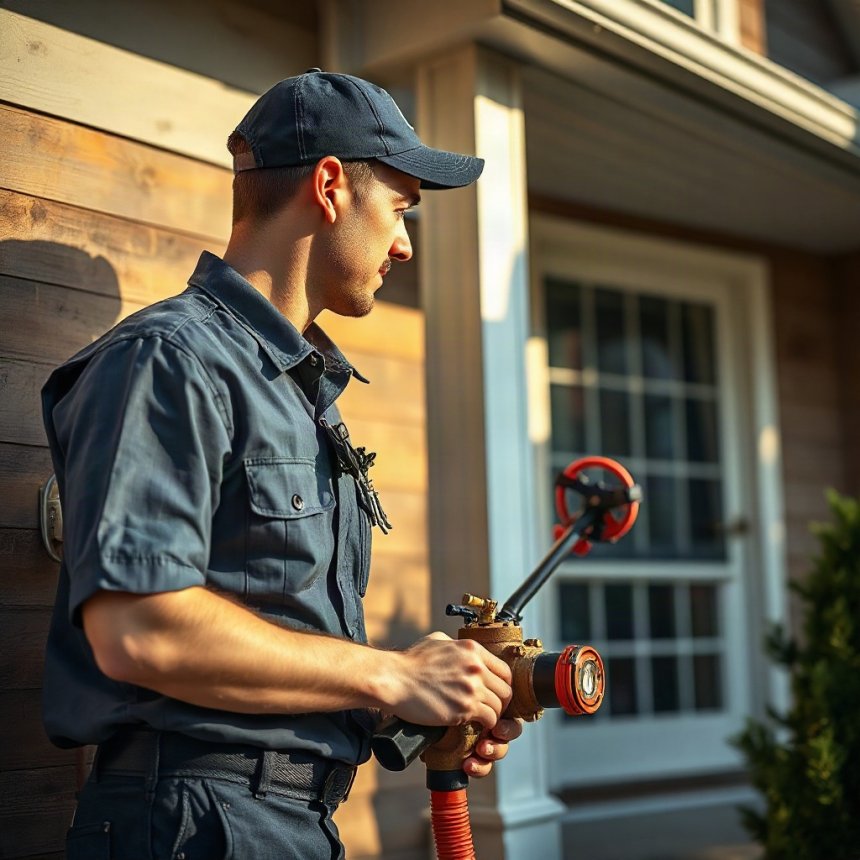
- Test hose bibs: Attach a simple pressure gauge to an exterior hose bib (usually located right after the main shutoff or PRV) to measure your static water pressure. Watch the gauge over several minutes to see if the needle fluctuates wildly.
- Inspect aerators: Unscrew the aerator tip from a sluggish bathroom or kitchen faucet. If you find white or crusty mineral deposits trapped inside the screen, cleaning it out may instantly restore normal flow.
- Monitor timing: Notice whether pressure drops happen randomly or coincide with specific events, such as when the irrigation system runs, the washing machine fills, or during peak neighborhood hours.
When Pressure Fluctuations Require Attention
While a clogged aerator is a simple DIY fix, whole-house pressure instability should not be ignored. Excessively high pressure—often caused by a stuck PRV—puts continuous stress on appliance supply hoses, toilet fill valves, and pipe joints, dramatically increasing the risk of a catastrophic pipe leak or hose rupture. Conversely, chronic low pressure can hinder the proper operation of modern appliances like dishwashers and washing machines that rely on adequate incoming force to cycle correctly.
If pressure testing reveals erratic spikes above 80 psi or persistent drops that cannot be solved by clearing local blockages, a professional evaluation of your main pressure regulator and supply line is warranted to protect your plumbing infrastructure.