How Arizona's Hot Weather Can Affect Your Home's Plumbing System
Extreme desert heat does more than drive up summer air conditioning costs—it also stresses your plumbing. Learn how Arizona's hot weather damages pipes, slab foundations, and water heaters.

How Arizona's Hot Weather Can Affect Your Home's Plumbing System
When summer arrives in Arizona, most homeowners focus on keeping their air conditioning running smoothly. However, triple-digit temperatures and relentless sunshine place incredible stress on another crucial home system: your plumbing.
From intense UV degradation to thermal soil expansion, extreme desert heat alters how pipes, seals, and appliances perform. Understanding how summer weather impacts your plumbing allows you to catch minor issues before they turn into major plumbing emergencies.
Here are four primary ways Arizona’s intense heat affects your home's plumbing system—and what you can do to protect it.
1. Thermal Expansion and Slab Leaks
During peak summer months, ground temperatures in Arizona can exceed 140°F. As the soil bakes, it expands and shifts around underground supply lines.
At the same time, cold water flowing through pipes buried underneath concrete slabs experiences temperature fluctuations. Copper pipes repeatedly expand and contract inside the rigid concrete slab, leading to metal fatigue and friction. Over time, this thermal friction creates pinhole leaks in foundation pipes (commonly known as slab leaks).
2. UV Damage to Exposed Outdoor Pipes
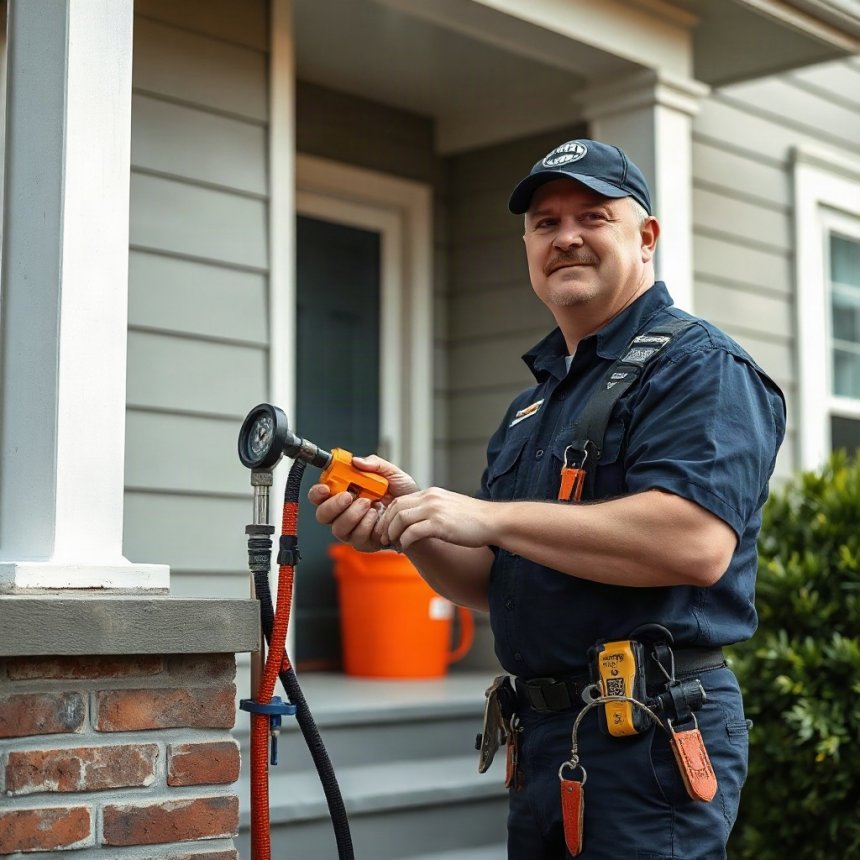
Direct sunlight in Arizona contains intense ultraviolet (UV) radiation. Outdoor plumbing lines—such as hose bib connections, main shutoff valves, sprinkler manifolds, and pool lines—are frequently made of PVC or exposed copper.
-
PVC Piping: Unprotected PVC lines exposed to sunlight become brittle, turn yellow-brown, and can crack under minor water pressure surges.
-
Insulation Breakdown: Foam pipe insulation degrades and crumbles under intense heat, leaving supply lines completely unprotected from thermal heat absorption.
3. Elevated Incoming Tap Water Temperatures
During peak summer months, municipal water lines running under hot asphalt absorb significant ambient heat. As a result, tap water coming into your home can reach 85°F–90°F before it even enters your water heater.
While warm incoming water slightly reduces the energy needed to heat water, it forces water heaters to operate in higher ambient garage temperatures (which can top 120°F). Overheating nearby electronics, expanding internal tank pressure, and accelerating hard water scale precipitation can lead to premature water heater failure.
4. Rapid P-Trap Evaporation
In low desert humidity, unused drain traps dry out rapidly. Under normal circumstances, standing water inside a U-shaped P-trap forms an airtight barrier against sewer gas coming from municipal mains.
When guest bathrooms, laundry tubs, or vacation homes go unused for just a couple of weeks during summer, the standing water inside the trap evaporates completely, allowing foul sewer gas to enter your home.
Summer Plumbing Protection Checklist
Weather vs. Impact Summary
| Weather Factor | Affected Plumbing Area | Primary Risk / Symptom |
| High Ground Temps | Underground copper lines under concrete slabs | Pinhole slab leaks due to expansion/friction |
| Intense UV Rays | Exposed outdoor PVC & sprinkler manifolds | Brittle, cracking pipes and failing insulation |
| Low Humidity | Indoor sink, tub, and shower P-traps | Dried-out water seals letting sewer gas indoors |
| Garage Heat (120°F+) | Tank & tankless water heaters | Electronic board failure & accelerated scale buildup |
The Bottom Line: Arizona's summer heat tests every component of your home's plumbing system. Protecting exposed exterior pipes, running water down unused drains, and monitoring line pressure will keep your plumbing running smoothly through the hottest months of the year.