Common Water Heater Problems in Bullhead City Homes & Troubleshooting
Learn why water heaters fail in Bullhead City, AZ. Discover how hard water, mineral scale, and desert climates impact tank performance and lifespan.
Understanding Water Heater Challenges in the Arizona Desert
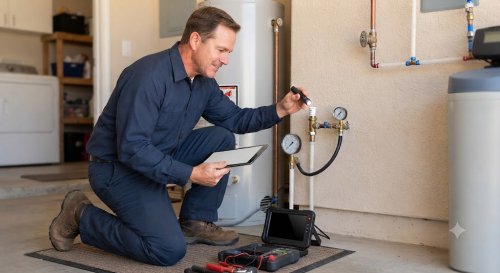
Water heaters in Bullhead City homes operate under demanding environmental conditions. Between extreme summer ambient temperatures, heavy local mineral content in the water supply, and high daily demand, these systems face unique operational stresses. Recognizing early warning signs can help homeowners prevent sudden tank failures, unexpected cold showers, and costly emergency replacements.
While standard water heaters are engineered to last between 8 to 12 years, local water conditions can significantly shorten that lifespan if routine maintenance is overlooked. Understanding how these systems fail, what normal operation looks like, and how to identify genuine malfunctions will help you make informed decisions about repair and replacement.
1. Hard Water Scale and Sediment Buildup
The single most common factor affecting water heaters in the region is mineral accumulation. Groundwater throughout the lower Colorado River area contains high concentrations of dissolved calcium and magnesium. When water is heated inside a tank, these minerals precipitate out of solution and settle at the bottom.
How Sediment Impacts Your System
- Reduced Energy Efficiency: A thick layer of mineral sediment acts as a thermal barrier between the burner (in gas models) or the lower heating element (in electric models) and the water. The appliance must run longer cycles to heat the same volume of water, increasing utility bills.
- Overheating and Tank Damage: Trapped heat beneath the sediment layer can cause metal fatigue, localized boiling, and stress fractures in the tank lining or premature burnout of electric elements.
- Rumbling and Popping Noises: As water trapped within the sediment pockets boils and escapes upward, it creates deep rumbling or popping sounds. This noise is a clear indicator that a flush is overdue.
Practical Takeaway: Flushing the water heater tank once a year removes loose sediment before it bakes into a hard crust. If a tank has gone several years without a flush, scraping or aggressive clearing may be necessary, but care must be taken not to damage older, fragile glass linings.
2. Temperature Fluctuations and Inconsistent Hot Water
Running out of hot water too quickly is a frequent complaint, but the underlying cause depends entirely on whether you use a tank or tankless system, and whether the issue is electrical, mechanical, or structural.
For Traditional Tank Water Heaters
If hot water runs out much faster than it used to, check for these common culprits:
- Broken Dip Tube: The cold water inlet tube directs incoming cold water to the bottom of the tank so hot water can be drawn from the top. If this plastic tube cracks or disintegrates, incoming cold water mixes immediately with the hot supply, drastically reducing the usable hot water volume.
- Failing Heating Elements or Thermostats: Electric water heaters use two elements. If the upper element fails, the tank may produce lukewarm water. If the lower element fails, you may get a brief burst of hot water before it turns cold.
- Sediment Displacement: A heavy bed of mineral sediment can take up significant physical volume inside the tank, leaving less space for actual hot water storage.
For Tankless Water Heaters
Tankless units rely on flow sensors and rapid heat exchangers. Inconsistent water temperatures are frequently caused by:
- Flow Rate Exceeding Capacity: Trying to run the washing machine, dishwasher, and multiple showers simultaneously can exceed the maximum flow rate (Gallons Per Minute or GPM) of the unit.
- Scale-Clogged Heat Exchanger: Because tankless systems pass water through narrow coils, mineral scale builds up rapidly inside the heat exchanger, restricting flow and triggering high-limit safety shutdowns.
3. Discolored Water, Odors, and Leaks
Water quality changes can point directly to internal component degradation rather than an issue with the municipal supply lines.
- Rusty or Brown Water: If discolored water comes only from the hot water taps, the sacrificial anode rod inside the tank has likely dissolved completely. The anode rod is designed to corrode preferentially to protect the steel tank walls. Once it fails, the tank itself begins to rust.
- Rotten Egg Odor: A sulfur or rotten egg smell is usually caused by harmless bacteria reacting with the hydrogen gas produced when the anode rod interacts with certain minerals. Upgrading to a powered titanium anode rod often resolves this issue permanently.
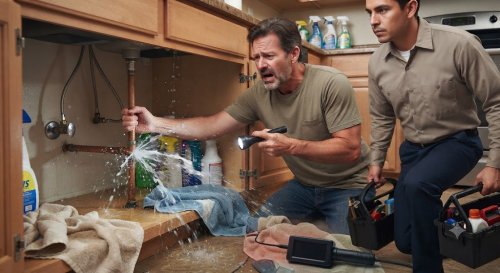
- Active Leaks vs. Condensation: During heavy usage cycles or cold mornings, condensation can form on the outside of a steel tank, mimicking a leak. However, a steady puddle beneath the unit typically indicates a failed pressure relief valve, a loose fitting, or a perforated tank wall. If the tank itself has ruptured, repair is not an option; full replacement is required.
4. Maintenance Checklist for Homeowners
While major internal repairs require professional handling, homeowners can perform several safe, routine checks to monitor system health:
- Test the Temperature and Pressure (T&P) Relief Valve: Lift the lever briefly to ensure water flows freely through the discharge pipe, then let it snap back. If it leaks continuously afterward, the valve must be replaced.
- Inspect the Anode Rod Every Few Years: Unscrewing the anode rod allows you to see how much sacrificial material remains. Replacing a worn rod extends the life of the tank by years.
- Monitor Exterior Corrosion: Check the base of the tank and pipe connections for signs of weeping, rust streaks, or mineral crust.
Conclusion
Water heater problems rarely resolve themselves; minor symptoms like strange noises, slow heating, or minor leaks typically progress into major disruptions if ignored. By understanding how hard water scale, failing anode rods, and internal component wear affect your system, you can implement timely maintenance, protect your investment, and avoid unexpected emergencies.