Commercial Plumbing Guide:
Bullhead City commercial plumber explains restaurant code compliance, grease trap maintenance, drain cleaning, and when to call for emergency plumbing.

Commercial Plumbing Guide: Keeping Bullhead City Restaurants Code-Compliant
Running a restaurant in Bullhead City comes with plenty of challenges—managing staff, keeping customers happy, and navigating health inspections. One aspect that often gets overlooked until it's too late is the plumbing system.
Restaurant plumbing is a different beast compared to residential systems. It handles much higher volumes of water, grease, food scraps, and cleaning chemicals on a daily basis. When something goes wrong, it's rarely a minor inconvenience. A backed-up drain or broken grease trap can shut your doors for the day—or longer if the health department gets involved.
In this guide, we'll walk through what it takes to keep your Bullhead City restaurant's plumbing code-compliant, avoid costly emergencies, and protect your business's reputation.
Why Restaurant Plumbing Is Different
Residential plumbing handles predictable volumes from showers, toilets, and sinks. Restaurant plumbing deals with intense, irregular, and often problematic waste. Hot water demands spike during lunch and dinner rushes. Grease and food solids enter the drain system regularly. Floor drains take water from dishwashers, ice machines, and mopping.
The stakes are higher too. A residential plumbing issue affects one family. A restaurant plumbing issue affects customers, employees, revenue, and your health department rating. That's why commercial plumbing is held to stricter code requirements and demands more robust systems.
Common Commercial Plumbing Issues in Bullhead City Restaurants
Understanding the most frequent problems can help you spot trouble before it escalates.
Grease Trap and Interceptor Problems
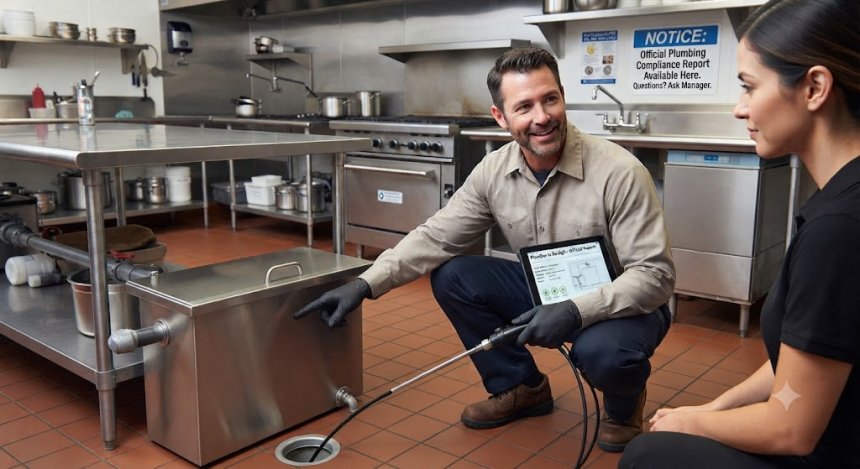
Grease traps are the frontline defense against kitchen grease entering your sewer line. They're required by code in Bullhead City for any food service establishment. When a grease trap isn't maintained properly, grease and solids pass through and accumulate in your pipes.
Over time, this buildup restricts flow, leads to backups, and creates foul odors. If the health inspector finds an improperly maintained grease trap, you could face fines or even temporary closure.
Drain Clogs and Slow Drains
Kitchen sinks, floor drains, and mop sinks are magnets for debris. Food scraps, coffee grounds, and cooking oils find their way down drains despite best efforts. When multiple drains in your restaurant run slow, it's often a sign of a deeper issue in your main drain line .
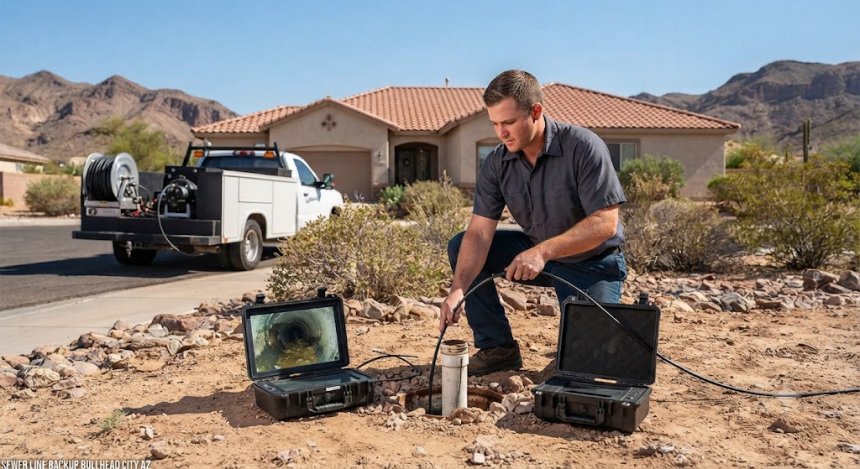
A recent plumbing contractor serving Bullhead City noted that they diagnose commercial drain backups by first performing a video inspection of the lines to identify the exact cause before recommending repairs . This non-invasive approach saves time and avoids unnecessary work.
Water Heater Failure
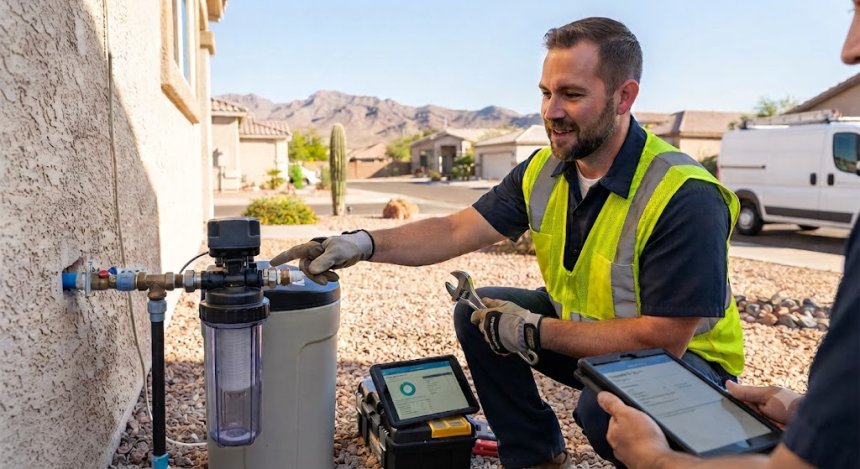
Your restaurant relies on hot water for dishwashing, cooking, and handwashing. A water heater failure can grind operations to a halt. In Bullhead City, hard water is a common culprit that causes mineral buildup, reducing efficiency and shortening the lifespan of your equipment.
Sewer Line Backups
Tree roots are persistent. In older parts of Bullhead City, roots can infiltrate sewer lines through small cracks. Once inside, they grow and create blockages. A sewer backup is not just inconvenient—it's a biohazard that can shut your restaurant down immediately .
Backflow Prevention Issues
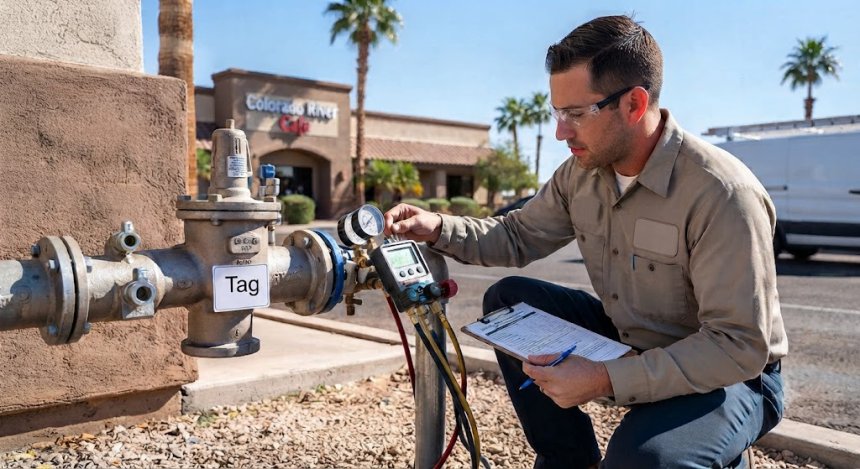
Commercial kitchens often require backflow prevention devices to stop contaminated water from flowing back into the clean water supply. If these devices fail, your entire establishment could be at risk for contamination. Annual testing is typically required by code.
Signs You Should Never Ignore
Don't wait for a full-blown plumbing disaster. Watch for these warning signs in your Bullhead City restaurant.
-
Slow drainage: Water pooling in sinks or taking longer than usual to drain is often the first sign of a developing clog.
-
Foul odors: Bad smells near drains or floor sinks suggest bacteria growth or organic matter buildup.
-
Gurgling sounds: Unusual noises from drains can indicate air trapped in the line due to a blockage.
-
Fruit flies near drains: These pests breed in the organic film coating drain lines.
-
Fluctuating water temperatures: A water heater struggling to keep up during busy periods.
-
High water bills: A sudden increase might signal a hidden leak somewhere in your system.
-
Standing water near floor drains: Water that won't drain suggests a blockage in the floor drain line.
Why Plumbing Code Compliance Matters for Bullhead City Restaurants
The Mohave County Environmental Health Department enforces plumbing codes for restaurants. Non-compliance can result in citations, fines, and even closure. Here's what inspectors typically check.
Grease traps: They must be the correct size for your operation, properly maintained, and not bypassed. Many establishments neglect their grease traps until an inspection reveals a problem.
Backflow prevention: As mentioned above, these devices protect the public water supply. They must be tested annually and repaired promptly if faulty.
Floor drains: All floor drains should be properly trapped and maintained to prevent sewer gases from entering your dining and kitchen areas.
Water temperature: Your water heater must supply water at safe temperatures for both sanitation and handwashing. For many commercial kitchens, this means at least 140°F for dishwashing and a minimum of 100°F for hand sinks.
Step-by-Step Professional Repair Process
When you call a commercial plumber in Bullhead City for a plumbing issue, here's what typically happens.
Step 1: Initial Inspection
The plumber will talk with you about what's happening—which drains are affected, when the problem started, and any previous issues. They'll check accessible fixtures and sometimes run water to observe drainage.
Step 2: Video Camera Inspection
For serious clogs or recurring issues, a plumber uses a small, waterproof camera attached to a flexible cable. They feed this into your drain lines to visually inspect the pipe interior. This identifies the exact location and nature of the blockage . It's incredibly useful for detecting tree roots, collapsed pipes, or accumulated grease.
Step 3: Diagnosis and Estimate
Based on the inspection, the plumber will diagnose the problem and provide an estimate for repairs. This should include the scope of work, materials needed, and estimated timeline. A reputable Bullhead City plumbing company will explain the problem clearly and recommend solutions without pressure.
Step 4: Repair
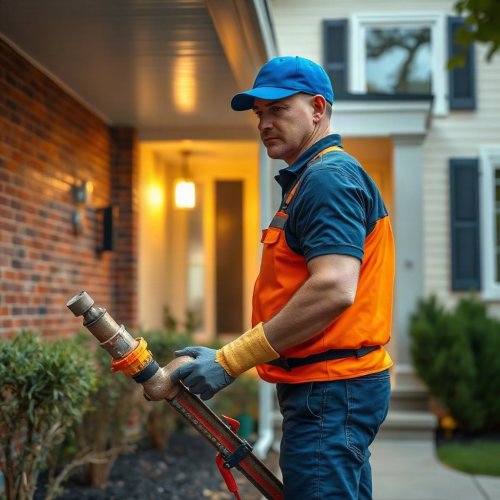
For clogs, this might involve drain snaking or hydro jetting. Hydro jetting uses highly pressurized water to scour the inside of pipes, removing grease and debris . For bigger issues like broken pipes, the repair might involve trenchless sewer repair or traditional excavation.
Step 5: Testing and Verification
After the repair, the plumber will test to ensure the issue is resolved. This might mean running water through drains, checking for proper flow, and performing a final camera inspection.
Step 6: Cleanup and Advice
A professional plumbing team cleans up the work area and often provides maintenance advice to prevent future issues.
Can You Fix It Yourself?
Some minor plumbing issues can be handled by restaurant staff, but serious problems always require a professional.
Safe DIY Steps
-
Plunging: A plunger can clear minor sink or toilet clogs. Use a sink plunger for sinks and a flange plunger for toilets.
-
Drain screens: Installing fine mesh screens over kitchen drains reduces food debris entering the system.
-
Hot water flushing: Pouring hot (not boiling) water down a slow drain can sometimes help melt grease.
When to Call a Professional
-
Any drain that backs up with sewage or foul water
-
Multiple drains slow or blocked at once
-
Recurring clogs despite plunging
-
Any work involving the main sewer line
-
Grease trap issues beyond routine cleaning
-
Water heater repairs
-
Gas line concerns
A business owner in Bullhead City with over 25 years of experience emphasized that knowing your limits is key to protecting your business . Avoid DIY chemical drain cleaners in commercial settings—they're dangerous to your staff and pipes.
Tools Professionals Use
Commercial plumbers have access to sophisticated tools that produce better results faster. Here are some common tools and how they help.
Video inspection cameras: Provide a real-time view inside pipes, allowing for accurate diagnosis without digging. This saves time and reduces unnecessary work .
Hydro jetting equipment: Uses high-pressure water to thoroughly clean pipe walls. It's more effective than snaking for grease buildup .
Pipe locators: Detect the location and depth of underground pipes, essential for identifying the correct access points.
Leak detection equipment: Specialized listening devices and thermal cameras find hidden leaks without destroying walls or floors.
Backflow testing equipment: Allows plumbers to test and certify backflow prevention devices as required by code.
How Long Does the Repair Usually Take?
The timeline depends on the problem's complexity.
Simple repairs: A drain snake or grease trap cleaning often takes 1 to 2 hours.
Moderate repairs: Replacing a water heater or repairing a sewer line section typically takes 4 to 8 hours.
Major repairs: Trenchless sewer lining or extensive pipe replacement can take 1 to 3 days.
Emergency repairs: A burst pipe or severe backup requires immediate response. The plumber's goal is to stop the damage first, then schedule a permanent repair.
Cost Factors
Plumbing repair costs vary based on several factors. Here's what affects the final bill:
-
Diagnostic fees: Some plumbers charge a trip fee to arrive and assess the issue.
-
Parts and materials: Quality parts cost more but last longer.
-
Labor: Commercial plumbers often charge higher rates due to the complexity.
-
Emergency service charges: Calls on nights, weekends, or holidays typically cost more.
-
Equipment: Video inspections, hydro jetting, and specialized tools add to the cost.
-
Permit costs: Some repairs require permits from Mohave County.
-
Accessibility: Pipes behind walls or under concrete take more time to access.
-
Replacement vs. repair: Replacing a failing system is often more cost-effective in the long run.
A general estimate from industry reports suggests commercial plumbers in Bullhead City earn $40-$50 per hour on average . However, your final bill depends heavily on the specific job.
Hidden Truths Restaurant Owners Should Know
Experience teaches lessons you can't learn from a manual. Here are some hidden truths about restaurant plumbing.
Grease traps don't clean themselves. Regular pumping is essential, not optional. Waiting until the trap smells is waiting too long.
Small leaks become big expenses. A $50 repair today prevents a $5,000 repair next year. Water damage, mold, and structural issues compound quickly.
Insurance often doesn't cover neglect. Many policies deny claims for damage caused by lack of maintenance. Cleaning your grease trap regularly is your responsibility.
Tree roots don't take breaks. Even if your sewer line hasn't had issues, roots continue to grow. Annual camera inspections catch problems early.
Hard water shortens equipment life. Bullhead City has hard water. Installing water treatment can extend your water heater and fixtures significantly.
DIY mistakes increase costs. Attempting a fix and failing often costs more than calling a professional first.
Delaying repairs causes structural damage. Water from plumbing issues can undermine your foundation or damage load-bearing walls.
15 Common Mistakes Restaurant Owners Make
Avoid these pitfalls to protect your business and stay code-compliant.
-
Skipping grease trap maintenance: Not having it pumped regularly is the most common and costly mistake.
-
Pouring grease down the drain: Even small amounts add up and cause massive clogs.
-
Using chemical drain cleaners: These damage pipes and create dangerous conditions for plumbers.
-
Flushing wipes and paper towels: "Flushable" wipes don't break down and cause serious clogs.
-
Ignoring low water pressure: A sudden drop signals a leak or blockage.
-
Hiring unlicensed plumbers: Always verify licensing and insurance before work begins .
-
Skipping routine maintenance: Annual inspections catch problems early.
-
Waiting until emergencies: A slow leak is easier to fix than a burst pipe.
-
Using wrong pipe materials: Not all materials are compatible.
-
Over-tightening plumbing fittings: This causes cracks and leaks.
-
Allowing staff to ignore small leaks: Train staff to report issues immediately.
-
Not keeping maintenance records: Inspectors want to see grease trap service records.
-
Ignoring backflow testing requirements: This is a legal requirement in many areas.
-
Blocking access to plumbing equipment: Your grease trap and water heater need to be accessible.
-
Choosing the cheapest option over the right solution: Cheap repairs often fail sooner.
Maintenance Tips for Bullhead City Restaurants
Preventive maintenance is the best investment you can make. Here are practical tips.
Daily Maintenance
-
Use drain screens in all kitchen sinks
-
Never pour grease or oil down drains—use a grease can instead
-
Run hot water through floor drains and sinks at the end of each shift to clear light buildup
-
Check for any slow-draining sinks and address them immediately
Weekly Maintenance
-
Inspect floor drains for odors and slow drainage
-
Check grease trap for signs of filling
-
Clean and sanitize all faucets and aerators
-
Test your water heater for proper operation and temperature
Monthly Maintenance
-
Perform a visual inspection of exposed pipes for leaks or corrosion
-
Clean your ice machine and its drain line
-
Check backflow prevention device for issues
-
Inspect the water heater for signs of rust or leaks
Seasonal and Annual Maintenance
-
Schedule a professional drain cleaning and camera inspection at least annually
-
Schedule a water heater flush to remove mineral buildup
-
Have backflow prevention devices tested and certified
-
Inspect your sewer line for tree root intrusion
-
Check all plumbing fixtures for leaks and proper function
When Should You Call an Emergency Plumber?
Some situations require immediate action. Call for emergency plumbing if you experience:
-
A sewage backup into your restaurant
-
No running water during business hours
-
An overflowing toilet that won't stop
-
A burst pipe anywhere on your property
-
A major water leak causing flooding
-
A sewer gas smell coming from drains
-
Your grease trap overflowing
Immediate action can stop damage, protect employee and customer safety, and minimize downtime.