Troubleshooting Water Heater Pilot Light Issues: Why It Keeps Going Out
Learn why a water heater pilot light keeps going out, how to safely troubleshoot the issue, and when to inspect the thermocouple or gas control valve.

Why Does a Water Heater Pilot Light Keep Going Out?
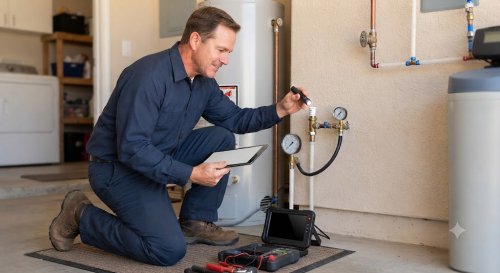
A gas water heater pilot light that repeatedly goes out is one of the most common household plumbing frustrations. When you turn on the hot water tap and find only freezing water, checking the burner compartment is usually the first step. If you relight the pilot flame only to find it extinguished a few hours or days later, the appliance is trying to tell you something.
In a standard natural gas or propane water heater, the pilot light is a small, continuous flame that heats a safety device called a thermocouple. When the thermocouple detects sufficient heat, it generates a tiny electrical current that signals the gas safety valve to stay open. If that flame flickers out, the safety valve instantly shuts off the gas supply to prevent unburned gas from leaking into your home. Therefore, a pilot light going out is actually a built-in safety feature doing its job—even though it leaves you without hot water.
Common Causes and How to Troubleshoot Them
Before assuming you need a major repair or a new water heater, understanding the underlying mechanical components can help you narrow down the issue safely.
1. A Faulty or Misaligned Thermocouple
The thermocouple is the most frequent culprit behind a pilot light that won't stay lit. Over years of exposure to intense burner heat, the metal tip of the thermocouple can oxidize, corrode, or degrade, preventing it from generating enough electrical signal to keep the gas valve open.
- Misalignment: The pilot flame must lick the top third to half of the thermocouple tip. If the burner assembly gets bumped or jars loose, the flame may miss the sensor entirely.
- Loose Connections: The copper line connecting the thermocouple to the gas control valve must be snug. A loose connection interrupts the tiny electrical current.
2. Drafts and Combustion Air Issues
Water heaters require a stable environment to keep a small flame burning steadily. If your water heater is installed in a drafty garage, a basement, or a utility closet with poor ventilation, external airflow can blow the flame right out.
Furthermore, gas water heaters draw combustion air from their surroundings. If the air intake screen at the base of the water heater becomes clogged with dust, pet hair, or lint, it starves the burner of oxygen, leading to incomplete combustion, soot buildup, and erratic pilot performance.
3. A Defective Gas Control Valve
If you have replaced the thermocouple and ensured the pilot flame is steady and properly aligned, but the pilot still will not stay lit once you release the control knob, the issue may lie within the gas control valve itself. The internal electromagnet that holds the gas valve open may have failed. This component cannot typically be repaired in the field and usually requires replacing the entire gas control valve assembly.
Local Considerations for Water Heaters in Bullhead City, Arizona
Homes in the Bullhead City area experience unique environmental conditions that can indirectly impact gas appliances. The region's intense, dry heat means water heaters work hard, and utility spaces like garages can reach very high temperatures during the summer months.
Additionally, the local water supply is notoriously hard, carrying high levels of dissolved minerals like calcium and magnesium. While hard water primarily causes scale buildup inside the tank and on heating elements, mineral flaking and sediment can occasionally shift components or restrict proper airflow and combustion dynamics at the base of older units during heavy operation cycles.
Safety Precautions and Responsible Next Steps
Working with gas appliances requires caution. Natural gas and propane are highly flammable, and modern systems include strict safety interlocks for a reason.
- Smell Gas? If you notice a distinct rotten-egg odor near the appliance, do not attempt to light the pilot or operate any electrical switches. Leave the area immediately and contact your local gas utility provider or emergency services.
- Do Not Bypass Safety Devices: Never attempt to rig, tape, or bypass a thermocouple or gas control valve. These components are critical life-safety features.
- Know When to Call a Professional: If cleaning the pilot tube, clearing the air intake, and replacing an aging thermocouple do not solve the problem, a licensed plumber should test the gas control valve pressure and overall burner assembly integrity.
Practical Takeaway
A pilot light that goes out once after a strong draft or accidental bump might just need a simple relighting. However, a recurring outage points to a failing thermocouple, restricted combustion airflow, or a failing gas valve. Addressing these symptoms early prevents unexpected cold showers and ensures your water heater operates safely and efficiently.