Troubleshooting Low Water Pressure in Your Home: Causes & Fixes
Learn how to diagnose and troubleshoot low water pressure in your home. Discover why pressure drops happen, how to check fixtures, and when to seek help.

Understanding Low Water Pressure
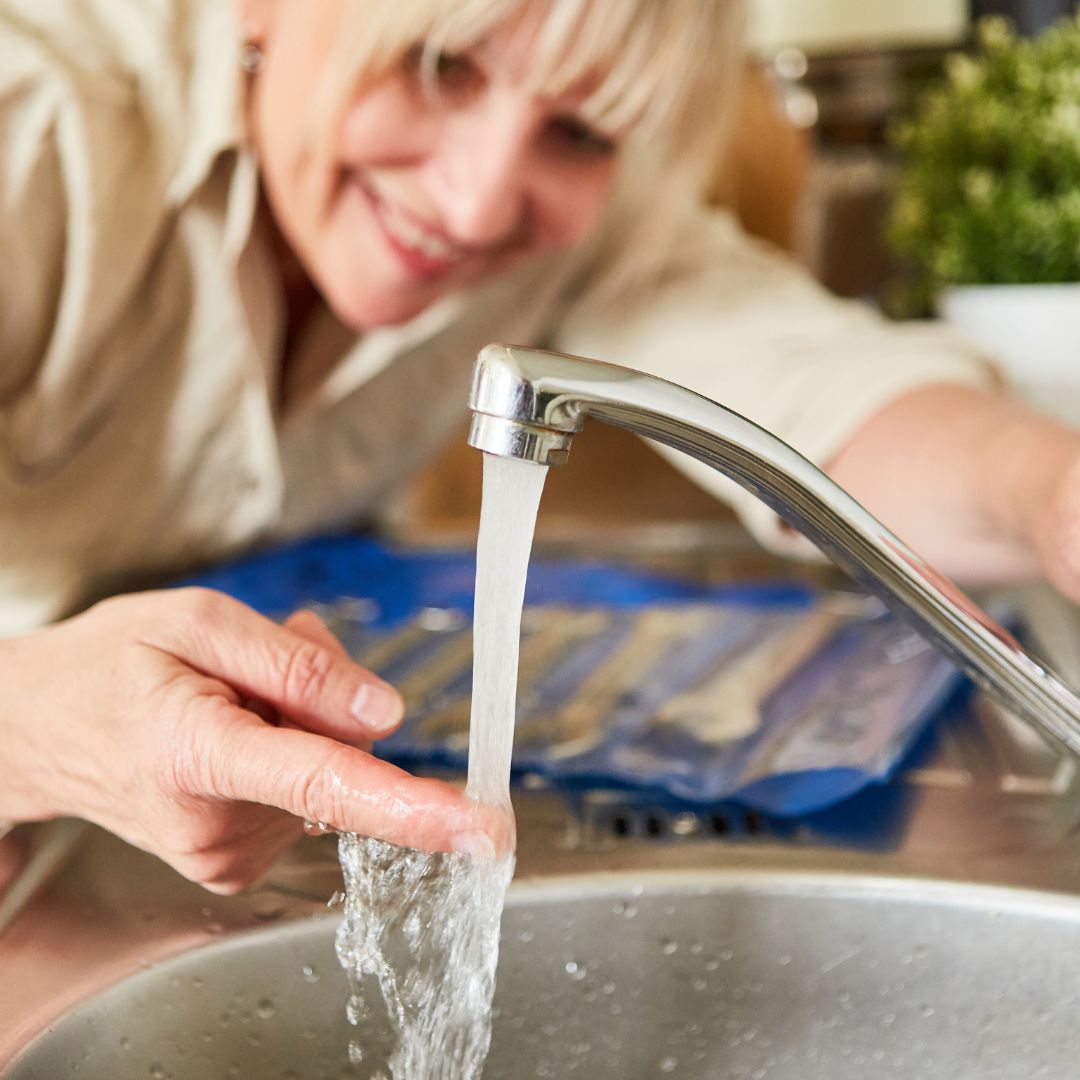
Dealing with a sudden or gradual drop in water pressure can make everyday tasks like showering, washing dishes, and doing laundry frustrating. When water trickles out of a faucet instead of flowing steadily, it is easy to assume a major plumbing disaster is underway. However, the root cause can range from a simple, easily cleaned mineral deposit to a failing pressure regulator or a hidden supply line restriction.
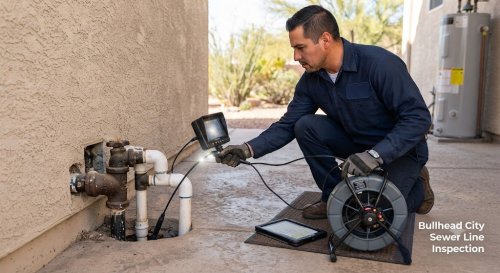
For homeowners in hot, arid regions like the American Southwest, water pressure issues often come with unique local variables. Understanding how a residential water supply system is configured helps you narrow down whether the problem is isolated to a single fixture, affecting a specific area of the house, or impacting the entire property.
Single Fixture vs. Whole-House Pressure Drops
The very first step in troubleshooting low water pressure is determining its scope. Ask yourself: is the problem happening at only one faucet or showerhead, or is every tap in the home experiencing low flow?
- Isolated Low Pressure: If only one sink or shower has weak pressure, the issue is almost always restricted to that specific fixture. The problem typically lies in a clogged aerator, a partially closed supply valve under the sink, or a restrictive cartridge inside the faucet.
- Whole-House Low Pressure: If multiple faucets, showers, and hose bibs all show a noticeable drop in pressure, the issue stems from a centralized point. This points toward the main water shutoff valve, the water meter, a failing pressure-reducing valve (PRV), or a supply line leak.
Common Causes of Isolated Fixture Pressure Drops
When a single fixture loses pressure, you can often diagnose and resolve the issue yourself without specialized tools.
Clogged Faucet Aerators
Aerators are the small mesh screens screwed onto the tip of most bathroom and kitchen faucets. Their job is to mix air into the water stream to reduce splashing while maintaining a steady flow. Over time, mineral scale, tiny bits of pipe sediment, and debris accumulate in these screens. In areas with hard water, mineral buildup can choke off water flow entirely within a few months.
To check an aerator, unscrew it by hand or with a pair of pliers (using a cloth to protect the finish). If you see white or crusty mineral deposits inside the screen, soak it in a small container of vinegar for 30 minutes, brush away the loosened debris, and screw it back on.
Partially Closed Supply Valves
Look beneath the sink of the affected fixture. You will see small oval or round handles controlling the hot and cold water supply lines. Ensure these valves are turned completely counterclockwise into the fully open position. Sometimes, these valves get bumped or partially closed during under-sink storage organization.
Whole-House Low Pressure Causes
If your entire home has low pressure, the investigation requires looking at the main incoming water supply.
The Main Water Shutoff Valve
Locate your home’s main water shutoff valve, usually found near the perimeter wall where the water line enters the house, near the water heater, or out by the property line in a meter box. If this valve was recently bumped or not fully reopened after plumbing work, it can severely restrict water volume and pressure throughout the house.
Pressure-Reducing Valves (PRVs)
Many homes are equipped with a pressure-reducing valve designed to lower high municipal water pressure down to a safe level for household plumbing (typically between 50 and 70 psi). When a PRV fails—often due to internal spring fatigue or wear and tear—it tends to fail closed, causing a drastic drop in water pressure across the entire home. Adjusting the top bolt on a PRV can sometimes temporarily restore pressure, but a failing valve generally requires replacement by a qualified professional.
Mineral Scale Accumulation in Piping
In regions with hard water, dissolved minerals like calcium and magnesium naturally precipitate out of the water over time, especially when water is heated. While this primarily affects water heaters and appliances, older galvanized steel pipes can also accumulate heavy internal scale buildup, progressively narrowing the inner diameter of the pipe and choking off water flow.
What to Check Before Calling a Professional
Before spending money on a service call, you can safely perform a few diagnostic observations:
- Check with neighbors: Walk outside and ask a neighbor if they are experiencing low pressure. If the entire neighborhood has low pressure, the issue likely originates with the municipal water utility provider or a main water line repair in the street.
- Test multiple taps: Turn on both hot and cold water independently at different fixtures. If only the hot water side has low pressure, the restriction is likely inside the water heater inlet valve or sediment buildup within the tank itself.
- Inspect for leaks: Check your water meter. If all water fixtures are turned off inside and outside the home, but the low-flow indicator dial on the meter is spinning, you may have a hidden supply leak underground or behind a wall.
When Low Pressure Requires Prompt Attention
While low pressure from a clogged aerator is a minor inconvenience, certain pressure symptoms require immediate professional evaluation. A sudden, complete loss of water pressure can indicate a ruptured main supply line. Furthermore, if you notice your water pressure fluctuating wildly—surging to extremely high levels before dropping back down—your pressure-reducing valve has likely failed completely, putting stress on every fixture and appliance connection in your home.
Taking a methodical approach to checking your fixtures, valves, and local supply conditions helps you identify the true source of low water pressure and ensures you make informed decisions when repairs are necessary.