Troubleshooting Low Water Pressure in a Bullhead City Home
Learn how to diagnose and troubleshoot low water pressure in your Bullhead City home. Discover local hard water causes, test methods, and fix options.

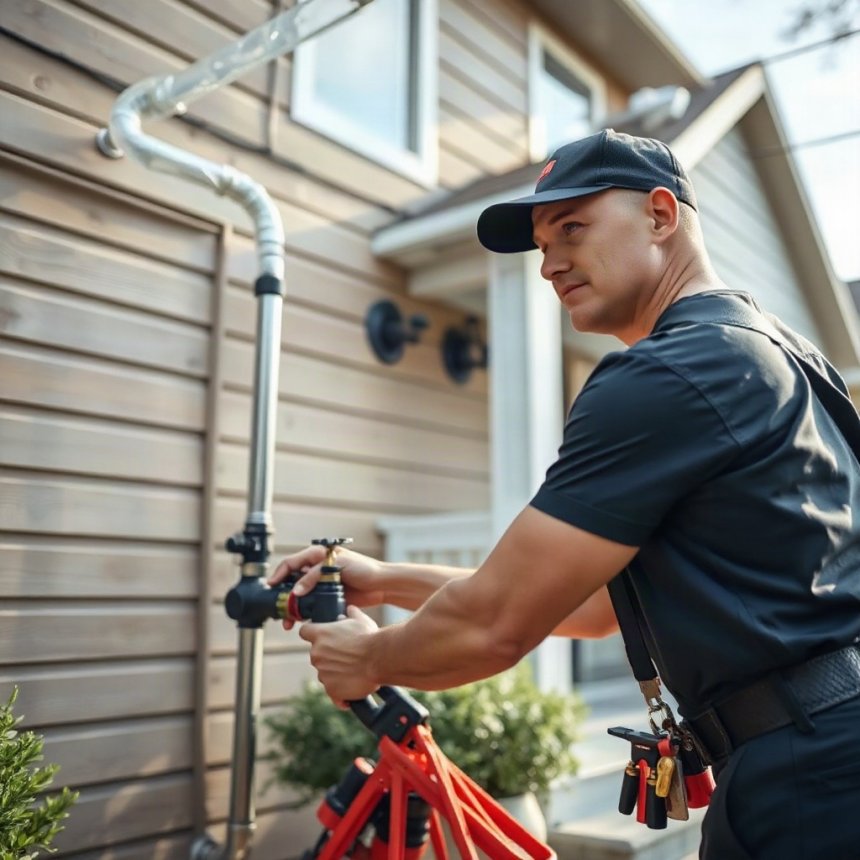
Understanding Low Water Pressure in Your Home
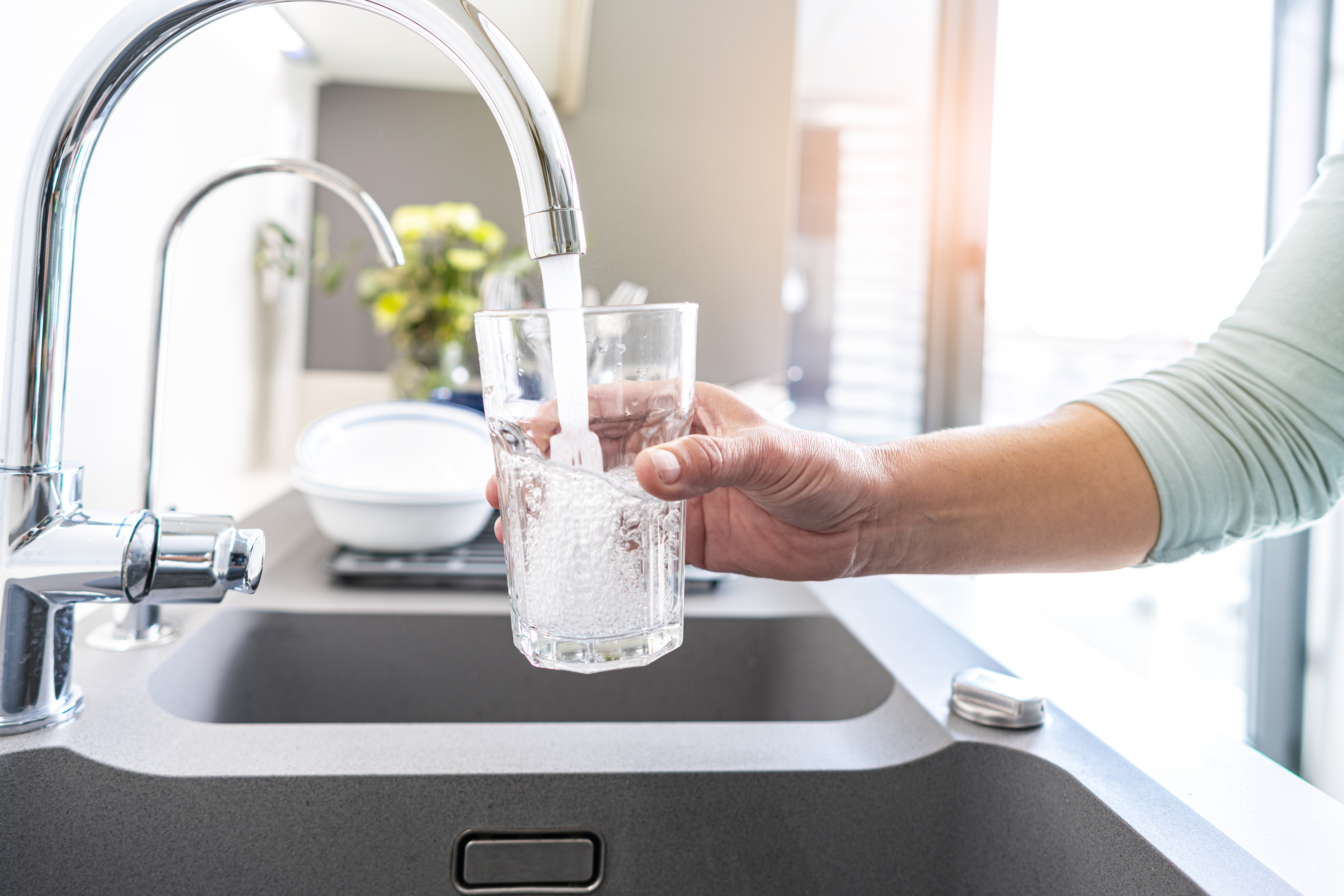
Dealing with a weak stream from your shower or a kitchen faucet that barely fills a pot is more than just an annoyance—it can disrupt daily routines and occasionally point to a deeper issue within your plumbing system. When water pressure drops, the first step toward a solution is determining whether the problem is isolated to a single fixture or affecting the entire house.
In regions like Bullhead City, Arizona, where the local water supply carries a high mineral content, environmental factors often play a major role in pressure loss over time. However, pressure issues can stem from a wide range of sources, from a partially closed supply valve to a failing pressure-reducing valve (PRV). Knowing how to systematically isolate the symptom is the most reliable way to find the actual cause before spending money on unnecessary repairs.
Is It One Fixture or the Whole House?
The very first diagnostic step requires checking multiple locations throughout the property. Turning on every faucet, shower, and hose bib helps establish a clear pattern.
- Isolated Fixture: If only one sink or shower suffers from low pressure while the rest of the home runs normally, the issue is almost always localized to that specific hardware. Common culprits include clogged aerators, debris trapped in a faucet cartridge, or a supply line shutoff valve that isn't fully open.
- Whole-House Issue: If every tap, showerhead, and appliance experiences a weak flow simultaneously, the root cause lies within the main water supply line, the main shutoff valve, or the home's pressure regulator.
Common Causes of Localized Pressure Loss
When a single fixture loses pressure, the fix is usually straightforward and requires minimal tools.
Aerator and Cartridge Blockages
Faucet aerators are small screens designed to mix air into the water stream and smooth out flow. In Bullhead City homes, hard water minerals—primarily calcium and magnesium—accumulate rapidly inside these fine screens. Over time, mineral scale restricts the passage of water, creating the illusion of failing water pressure. Unscrewing the aerator tip and inspecting it for white, crusty deposits often reveals the problem immediately. Soaking the screen in a mild vinegar solution typically dissolves the buildup.
Similarly, single-handle faucets rely on internal ceramic or plastic cartridges with small inlet ports. If scale flakes break loose inside the main supply pipes, they can wedge themselves directly into these cartridge ports, cutting off a portion of the flow.
Common Causes of Whole-House Pressure Loss
When the entire property experiences low pressure, the investigation moves upstream toward the water meter and the main entry point of the plumbing system.
Mineral Buildup in Piping
Over years of service, mineral scale can line the interior walls of older galvanized steel or even copper piping, gradually narrowing the internal diameter and choking down the volume of water that can pass through. While modern PEX and newer copper lines resist scale adherence much better, older residential properties in the area may experience this progressive restriction.
The Main Shutoff Valve
It is surprisingly common for a main water shutoff valve—whether a gate valve or a quarter-turn ball valve—to be left partially closed after plumbing work, landscaping updates, or emergency repairs. A gate valve, in particular, can have its internal wedge mechanism slip or detach from the stem, creating an obstruction even when the exterior handle appears to be in the open position.
Failing Pressure-Reducing Valves (PRVs)
Many homes utilize a pressure-reducing valve located near the main water supply entry point to protect interior pipes from excessively high municipal supply pressures. When a PRV begins to fail, its internal spring weakens or the internal diaphragm ruptures. Instead of regulating pressure smoothly, a failing PRV often clamps down completely, causing a dramatic and sudden drop in household water pressure.
How to Test Your Water Pressure Safely
Homeowners can easily measure static water pressure using a standard screw-on water pressure gauge available at any hardware store. Attaching this gauge to an outdoor hose bib or a laundry sink connection while all other indoor water sources are turned off provides an accurate reading in pounds per square inch (PSI).
Normal residential water pressure typically falls between 40 and 80 PSI. If the gauge reads below 40 PSI, a whole-house restriction or utility supply issue is likely present. If the pressure fluctuates wildly when a nearby indoor faucet is opened, the pressure regulator may be failing.
Preventative Maintenance and What to Avoid
Proper maintenance can prevent many common pressure drops before they disrupt your household.
- Clean Aerators Regularly: Remove and descale faucet aerators and showerheads twice a year to maintain optimal flow.
- Inspect Valves Periodically: Test your main shutoff valve and outdoor hose bibs annually to ensure they operate smoothly and seal completely.
- Avoid Aggressive Chemical Cleaners: Pouring harsh chemical descalers into delicate fixtures can degrade rubber seals, damage metal finishes, and cause leaks. Mechanical cleaning or soaking removable parts in vinegar is always safer for plumbing hardware.
When Professional Diagnosis is Needed
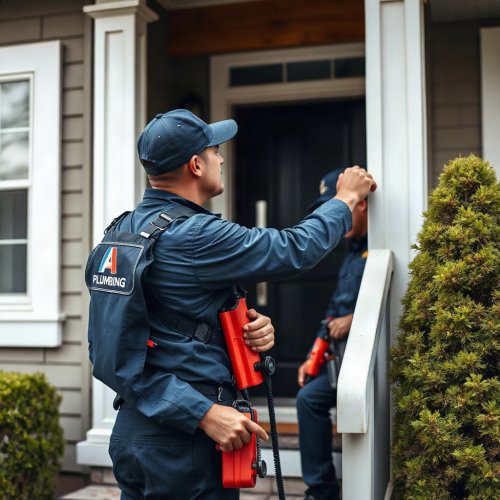
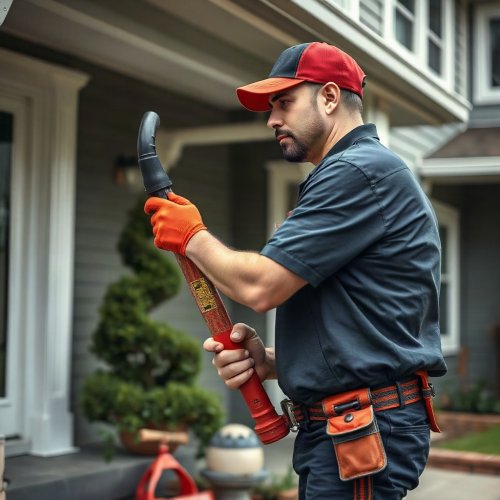
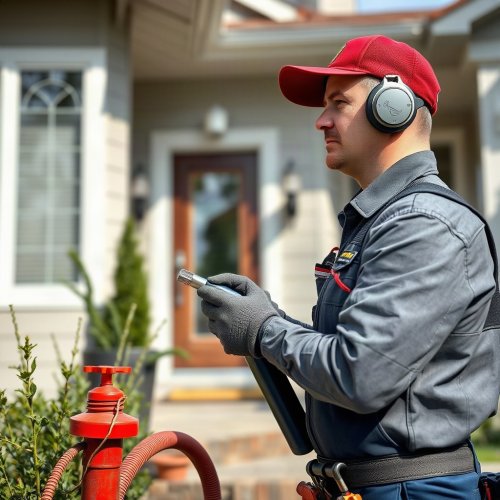
While cleaning an aerator or checking a shutoff valve is a straightforward DIY task, deeper system failures require professional evaluation. If your pressure test indicates a failing PRV, or if you suspect underground supply line leaks or severe internal pipe corrosion, specialized diagnostic tools such as pressure testing kits, acoustic leak detectors, or thermal imaging may be required to pinpoint the issue accurately without unnecessary exploratory demolition.
Understanding your home's water system helps you separate minor maintenance from complex repairs, ensuring your plumbing runs reliably year-round.