Common Causes of Low Water Pressure in Bullhead City Homes
Discover why your Bullhead City home has low water pressure. Learn how to diagnose fixture restrictions, mineral buildup, PRV failures, and local utility factors.


Understanding Low Water Pressure in Your Home
Experiencing a sudden drop in water pressure or a gradual trickle from your faucets can make everyday tasks frustrating. When water flow slows down in a Bullhead City home, the root cause usually comes down to one of two things: a restriction isolated to a single fixture, or a whole-house supply issue.
Before assuming your entire plumbing system is failing, it helps to systematically isolate where the pressure drop is happening. Understanding how your home's water supply system is structured can save you time, unnecessary worry, and expense.
Isolating the Problem: Fixture vs. Whole-House
The first step in diagnosing low water pressure is determining whether the issue affects only one location or every tap in the house.
- Single-Fixture Issue: If only the kitchen sink or a specific bathroom shower has low pressure while everything else runs normally, the restriction is almost always located right at that fixture. Aerators, cartridge valves, or supply line shutoff valves are typically to blame.
- Whole-House Issue: If multiple faucets, showers, and hose bibs across the property simultaneously suffer from poor flow, the restriction or pressure drop is happening further upstream. This points toward the main water supply line, the main shutoff valve, or the pressure-reducing valve.
Common Causes of Localized Fixture Restrictions
When a single faucet or showerhead loses pressure, the fix is usually straightforward and related to physical blockages.
Aerator Clogs
Every standard faucet spout ends in a small screen called an aerator. Over time, mineral flakes, tiny pieces of pipe scale, and debris catch inside this screen. Bullhead City's local water conditions mean mineral content can leave deposits that physically choke off the tiny holes in the aerator screen. Unscrewing the aerator and inspecting it is often the quickest way to restore full flow.
Partially Closed Supply Stops
Underneath sinks, twist-handle or quarter-turn valves control the water supply to individual faucets. If someone recently performed maintenance under the sink or bumped the valve, it might be partially closed. A valve that isn't fully opened will severely restrict volume and pressure.
Whole-House Causes of Low Water Pressure
When the entire house experiences low pressure, the causes involve major system components.
Pressure-Reducing Valve (PRV) Failure
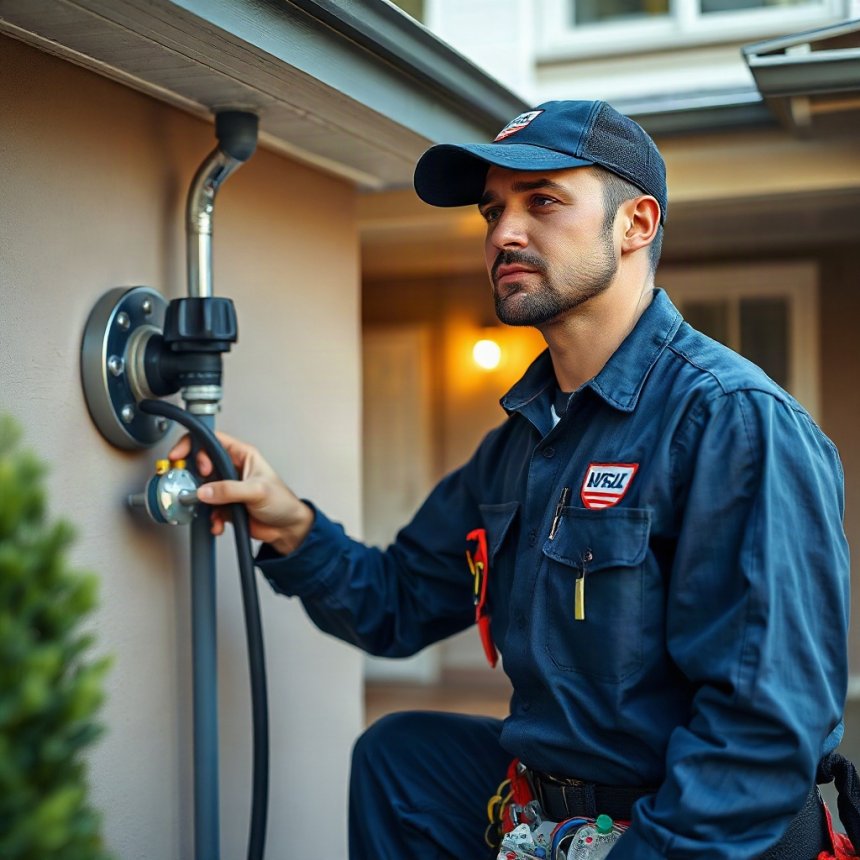
Many homes in the region utilize a Pressure-Reducing Valve (PRV) installed near the main water line entry point. This device protects household pipes from excessive municipal water pressure by stepping it down to a safe level, typically around 50 to 60 psi. Over time, internal springs fatigue, diaphragms rupture, or mineral debris jams the internal mechanism. When a PRV fails, it often fails in a closed or restricted position, choking down the water supply to a slow trickle throughout the entire house.
Mineral Buildup in Piping
Hard water contains dissolved minerals like calcium and magnesium. In hot arid climates, water heating elements and pipe interiors can accumulate scale over decades. In older galvanized steel pipes, internal corrosion and mineral scaling severely narrow the inside diameter of the pipe, drastically reducing the volume of water that can pass through.
Main Water Shutoff Valve Issues
The main shutoff valve—either the municipal gate valve near the street meter box or the primary valve where the service line enters the home—may not be fully open. If a valve handle was partially closed during a repair or landscape project and never fully reopened, pressure will remain restricted throughout the property.
Practical Steps a Homeowner Can Take Safely
Before calling for professional help, you can perform a few safe, non-invasive checks:
- Check Multiple Taps: Turn on both hot and cold sides of various faucets to see if the issue is universal or isolated.
- Inspect Aerators: Remove bathroom and kitchen faucet aerators, soak them in a mild descaling solution if they look crusty, and test the flow without the aerator attached.
- Verify Valve Positions: Ensure the main water shutoff valve and individual under-sink valves are turned completely open.
- Ask Neighbors: Check with immediate neighbors to see if they are experiencing similar pressure drops. If the municipal supply main has a temporary restriction or repair underway, the local utility company is responsible.
When to Seek Professional Diagnosis
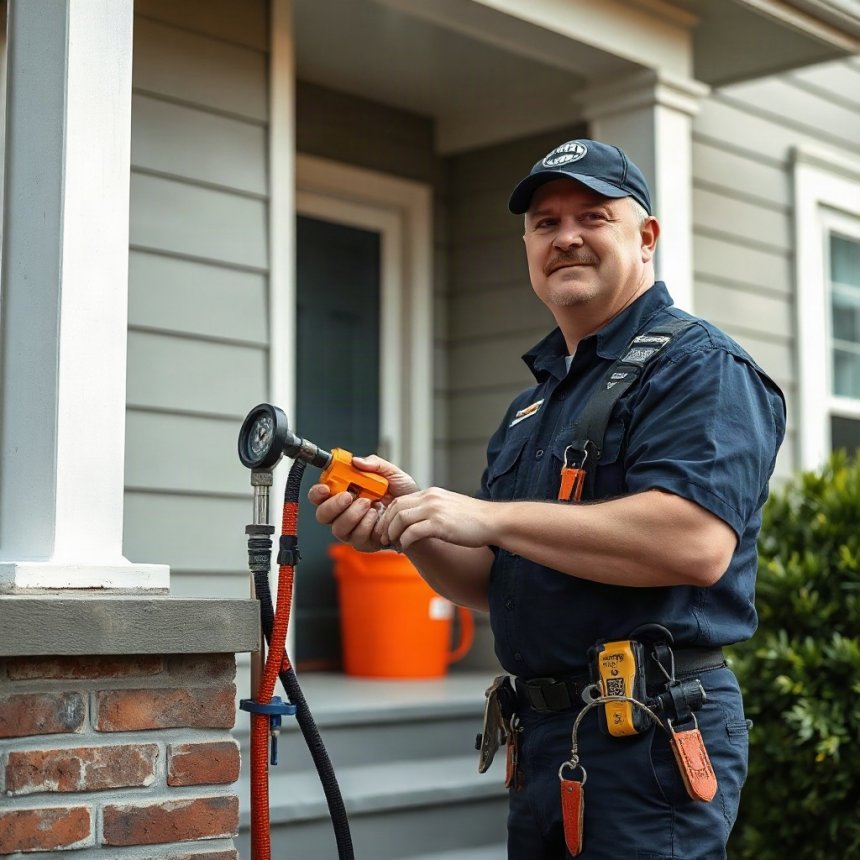
If neighborhood checks confirm the city supply is normal, individual aerators are clean, and all main valves are fully open, a whole-house pressure issue requires specialized diagnostic tools. Plumbers use specialized pressure gauges attached to hose bibs to measure static and dynamic water pressure accurately. Identifying whether a failing PRV, a compromised main service line, or heavily scaled piping is responsible ensures that the actual underlying problem is corrected rather than just treated with temporary fixes.