Common Causes of Low Water Pressure in Bullhead City Homes
Discover why your Bullhead City home has low water pressure. Learn how to diagnose local hard water scale, pressure regulator issues, and fixture clogs safely.


Understanding Low Water Pressure in the Desert Environment
Dealing with sudden or gradual low water pressure can turn simple daily routines like showering or washing dishes into a frustrating experience. In Bullhead City, Arizona, where the local climate and regional water conditions impose unique demands on residential plumbing, low water pressure is a common service call topic. However, a weak stream from your faucet does not automatically mean your entire plumbing system is failing. The underlying cause can range from a simple surface blockage at a single fixture to a failing pressure regulator or heavy mineral accumulation inside your pipes.
Knowing how to isolate the problem, understanding what a homeowner can safely check, and recognizing the difference between localized restrictions and whole-house supply issues can save you time, prevent unnecessary expenses, and help you determine when professional diagnosis is truly required.
Is the Problem Isolated or Whole-House?
The very first step in diagnosing low water pressure is determining whether the issue affects only one specific fixture or every water source in your home. This distinction immediately narrows down the list of potential culprits.
Single-Fixture Restrictions
If only one sink, shower, or toilet fill valve has low pressure, the issue is almost always localized to that specific fixture or its immediate supply line. Common causes for single-fixture pressure drops include:
- Clogged Aerators: Faucet aerators mix air into the water stream while filtering out small debris. Over time, mineral particles and sediment get trapped in the fine mesh screen, severely restricting flow.
- Partially Closed Supply Stops: The small shut-down valves underneath sinks can sometimes get bumped or partially closed during storage organization or cleaning.
- Internal Cartridge Debris: Modern single-handle faucets rely on precision ceramic or plastic cartridges. Sediment can wedge inside these internal pathways, blocking water flow even when the handle is fully open.
Whole-House Pressure Drops
If multiple faucets, showers, and outdoor hose bibs all experience a simultaneous drop in water pressure, the problem lies within the main water supply system entering your home. Potential causes for whole-house issues include municipal supply changes, failing pressure regulators, or severe mineral accumulation inside the main service lines.
How Local Water Conditions Impact Your Pipes
Bullhead City relies heavily on groundwater sources from the Colorado River aquifer. Like much of the American Southwest, this water supply carries a high mineral content—primarily calcium and magnesium carbonates. This is what defines 'hard water.'
Over years of continuous use, hard water leaves behind solid mineral deposits when heated or as water evaporates. This process, known as scaling, affects your plumbing system in several ways:
- Water Heater Scaling: As water is heated inside your tank or tankless unit, minerals precipitate out and settle at the bottom of the tank or coat heat exchanger elements. While this primarily impacts hot water delivery and efficiency, heavy buildup can restrict the flow leaving the tank.
- Fixture Scale Accumulation: Showerheads and faucet tips accumulate white, crusty mineral deposits rapidly in the desert heat. Soaking these components in a mild acid solution like white vinegar will often dissolve the buildup and restore full flow instantly.
- Internal Pipe Constriction: In older galvanized steel pipes, hard water scaling reacts with the metal, gradually narrowing the interior diameter of the pipe until water volume and pressure drop noticeably. Copper and PEX piping resist scale adhesion much better, but scale can still accumulate at fittings, valves, and elbows over decades.
The Role of the Pressure Reducing Valve (PRV)
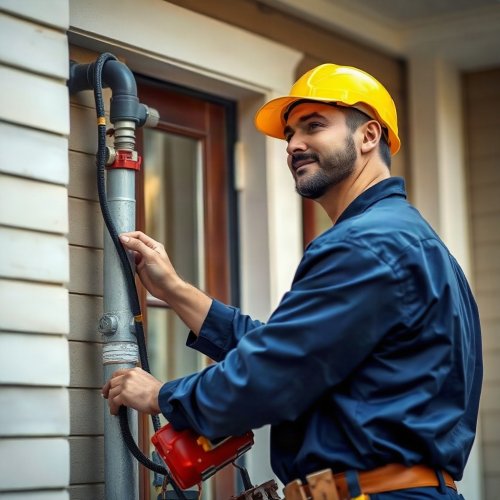
Most homes in Bullhead City are equipped with a Pressure Reducing Valve (PRV) where the main water line enters the property. Municipal water mains often deliver water at very high pressures to ensure adequate supply across elevation changes and long distances. A PRV steps this high pressure down to a safe residential range—typically between 50 and 70 pounds per square inch (psi).
When a PRV fails, it usually does so in one of two ways:
- Failing Closed: Internal springs weaken, rubber diaphragms tear, or heavy mineral scale seizes the internal components, causing the valve to block water flow. This results in a sudden or progressive loss of water pressure throughout the entire house.
- Failing Open: The valve loses its ability to regulate, allowing raw, high municipal pressure to slam into your home fixtures, which can damage washing machine hoses, water heater tanks, and toilet fill valves.
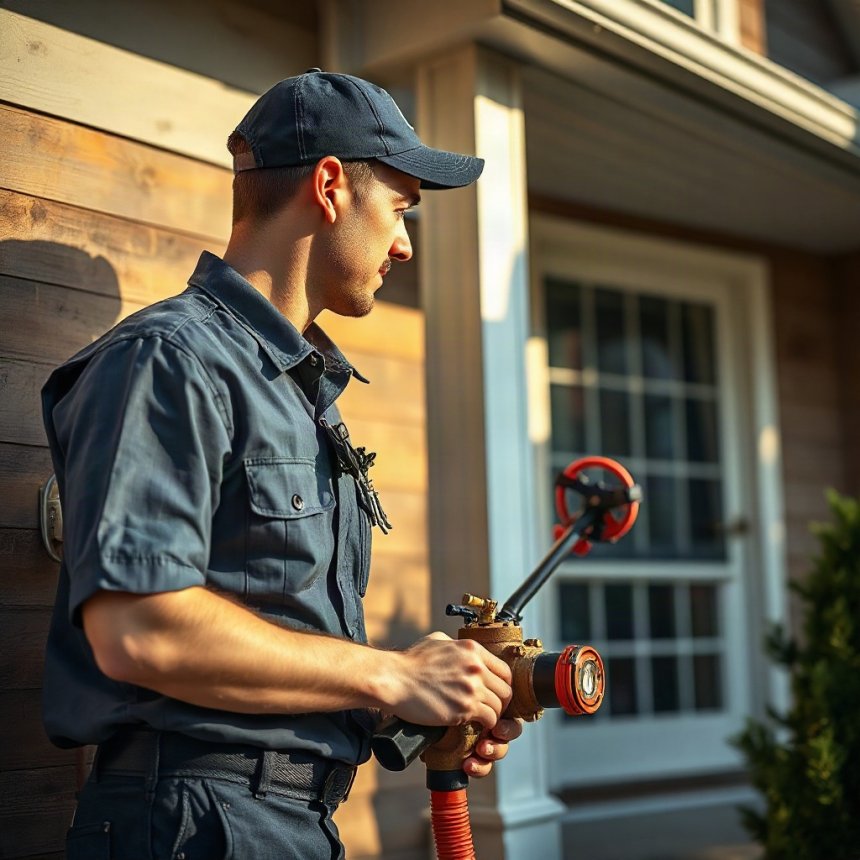
If you suspect a PRV failure, a plumber can attach a pressure gauge to an outdoor hose bib to measure the exact static pressure. If the reading is abnormally low and adjusting the adjustment bolt on top of the PRV has no effect, the valve generally requires replacement.
Safe Troubleshooting Steps for Homeowners
Before calling for professional help, there are several straightforward, non-invasive checks you can perform safely:
- Check the Main Shutoff Valve: Locate your main water shutoff valve (usually found near the front perimeter wall of the house or inside an outdoor meter box). Ensure the valve is turned completely parallel to the pipe for a ball valve, or completely open for a gate valve. A partially closed main valve restricts overall volume.
- Inspect Faucet Aerators: Unscrew the tip of the affected faucet. Look inside the screen for trapped sand, grit, or white mineral chunks. Clean out the debris or soak the aerator in vinegar before reinstalling.
- Compare Hot and Cold Pressure: Turn on both hot and cold water separately at the same fixture. If low pressure occurs only when the hot water is running, the restriction is likely isolated to the water heater supply line, a closed water heater valve, or heavy scale inside the hot water piping.
- Ask Your Neighbors: If you live in a neighborhood where several homes experience sudden pressure drops simultaneously, the issue may stem from municipal line maintenance, local hydrant flushing, or a temporary utility supply restriction.
When Low Pressure Indicates a Hidden Leak
Occasionally, what feels like low water pressure is actually a symptom of a major water leak. If a supply pipe underground or behind a wall cracks or separates, water escapes into the surrounding soil or building structure. This diversion reduces the volume and pressure reaching your fixtures.
You can check for a hidden supply leak by looking at your water meter when no water is running inside or outside the house. If the small low-flow indicator triangle or dial on the meter is spinning, water is actively moving somewhere in your system. A continuous leak requires prompt professional investigation to prevent structural damage or soil erosion around your home's foundation.
Practical Summary and Next Steps
Low water pressure can stem from something as simple as a mineral-clogged showerhead or as complex as a worn-out pressure reducing valve or internal pipe scaling. By isolating whether the problem is single-fixture or whole-house, inspecting your aerators, and verifying that your main shutoff valves are fully open, you can identify many minor issues on your own. When troubleshooting points to a failing PRV, hidden supply leaks, or chronic whole-house pressure loss, having a licensed professional test your static water pressure and inspect your main supply lines ensures the underlying mechanical cause is properly resolved without guesswork.