Why Your Water Heater Pilot Light Keeps Going Out: Troubleshooting Guide
Learn why a water heater pilot light keeps going out, how to safely troubleshoot the thermocouple, gas supply, and venting, and when to seek repair.

Understanding Why a Pilot Light Keeps Going Out
When a gas water heater pilot light repeatedly goes out, it is usually a built-in safety feature doing its job rather than a random glitch. Modern gas water heaters rely on safety mechanisms designed to shut off the gas supply immediately if the flame is unstable or extinguished, preventing dangerous gas leaks into the home.
For homeowners in Bullhead City, where hard water and mineral accumulation can affect overall appliance efficiency, water heater issues often appear as strange noises, fluctuating temperatures, or sudden pilot failures. While relighting the pilot may provide temporary hot water, a pilot that goes out more than once requires a closer look at the underlying components.
The Most Common Culprits Behind Pilot Failures
Before assuming the entire water heater needs replacement, it helps to understand the specific parts responsible for keeping that small blue flame lit.
1. A Failing Thermocouple
The thermocouple is a safety device positioned directly in the path of the pilot flame. It generates a tiny electrical current when heated, which signals the gas control valve to stay open. If the thermocouple gets coated in soot, wears out, or shifts slightly out of alignment, it stops generating enough current. As soon as you release the pilot knob, the valve closes, and the flame dies.
2. Drafts and Combustion Air Issues
Gas water heaters need a steady supply of oxygen to maintain a clean, stable flame. If the water heater is located in a garage, utility closet, or basement with poor ventilation, or if strong drafts sweep across the room, the pilot flame can easily be blown out. In some cases, negative air pressure caused by exhaust fans or HVAC systems can pull air down the flue, extinguishing the flame.
3. Gas Supply Fluctuations
If the gas pressure supplying the home fluctuates or if there is air trapped in the gas line, the pilot flame may starve or weaken. Debris or spider webs inside the pilot tube can also restrict gas flow, resulting in a weak, yellow flame instead of a sharp blue one.
4. A Faulty Gas Control Valve
Sometimes the problem lies within the gas control valve itself. If the internal electromagnet fails to hold the valve open despite a healthy thermocouple signal, the pilot will not stay lit.
What a Homeowner Can Safely Check
Homeowners can perform a few basic observations before deciding on a professional repair:
- Observe the flame color: A healthy pilot flame should burn steady and blue. If the flame is yellow, orange, or fluttering wildly, it indicates combustion or airflow issues.
- Inspect for soot: Look closely at the burner assembly and thermocouple tip. Heavy soot buildup can insulate the sensor and prevent it from detecting heat properly.
- Check the surrounding area: Ensure the utility closet or garage space isn't blocked by stored items that restrict proper combustion airflow around the base of the tank.
When to Call a Professional
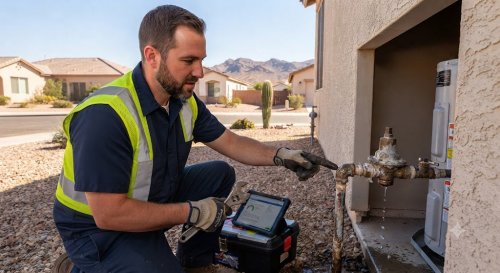
While relighting a pilot light following the manufacturer instructions printed on the tank is generally straightforward, certain conditions require professional expertise. If you smell persistent gas odors, notice corrosion or damage around the gas control valve, or if a newly replaced thermocouple fails immediately, stop troubleshooting and contact a licensed plumbing professional. Working with gas lines and combustion chambers requires specialized tools, pressure testing equipment, and adherence to local safety codes to ensure your home remains protected.