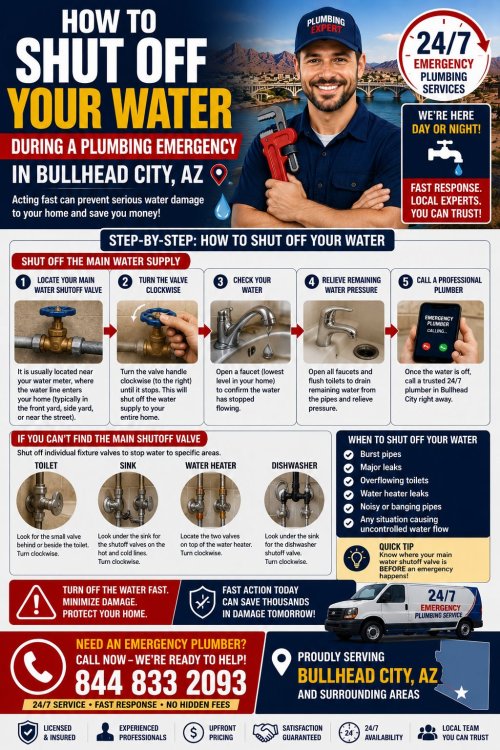
Troubleshooting Low Water Pressure in Your Bullhead City Home
Learn how to diagnose low water pressure in your Bullhead City home. Discover local hard-water factors, how to isolate fixture vs. whole-house issues, and safe troubleshooting tips.

Understanding Low Water Pressure in Your Home
Dealing with a weak stream from your showerhead or a kitchen faucet that barely rinses a plate can be frustrating. When water pressure drops suddenly or declines gradually over time, it disrupts daily routines and usually points to a specific restriction or mechanical failure within your plumbing system.
In areas like Bullhead City, Arizona, where regional water conditions and intense summer heat place unique demands on plumbing infrastructure, low water pressure is a common service call. However, not every pressure drop requires major plumbing intervention. By understanding how your supply system works, you can often narrow down whether the issue is isolated to a single fixture, confined to your property, or related to the municipal supply.
Step One: Isolate the Problem (Fixture vs. Whole-House)
The very first diagnostic step is determining if the low pressure affects your entire home or just one specific location. This distinction tells you where to focus your attention:
- Single-Fixture Issue: If only one sink, shower, or toilet supply line has low pressure, the problem is almost always localized to that specific fixture. The most frequent culprit is a clogged aerator, a partially closed supply valve under the sink, or mineral scale trapped inside a cartridge or showerhead.
- Whole-House Issue: If multiple fixtures throughout the house experience a simultaneous drop in pressure, the restriction is happening upstream. This usually points to the main water shutoff valve, a failing pressure reducing valve (PRV), a hidden main line leak, or mineral accumulation building up across your entire piping network.
Common Causes of Localized Pressure Drops
If your pressure issue is confined to one or two faucets, you can usually investigate safely without professional help.
Aerator and Showerhead Clogs
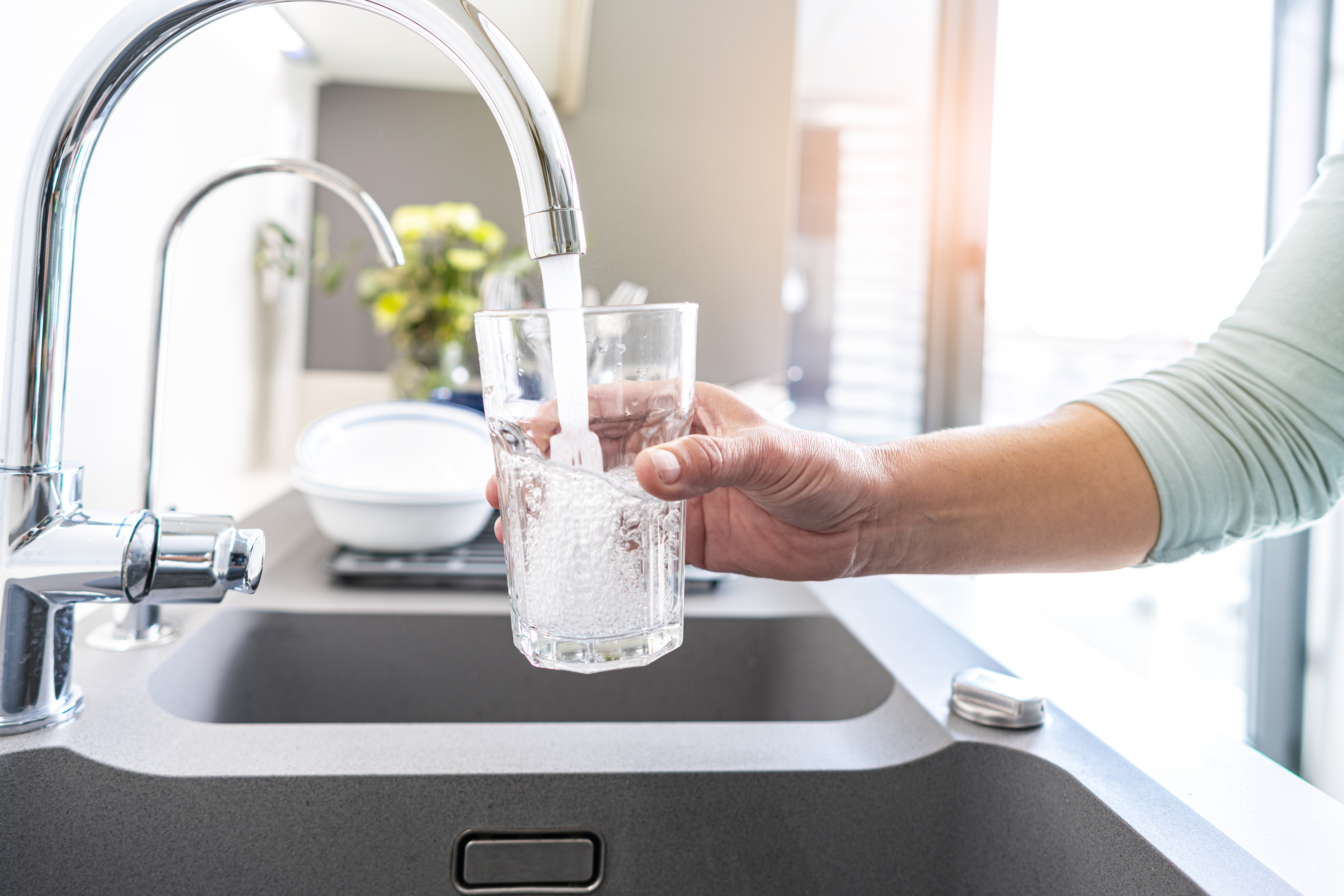
Faucets feature small mesh screens called aerators designed to straighten water flow and conserve water. In the desert Southwest, hard water carrying dissolved calcium and magnesium is a daily reality. As water evaporates at the tip of the faucet, these minerals precipitate out and form a hard, chalky crust. Over time, this scale chokes off the water passages. Unscrewing a faucet aerator or soaking a showerhead in a mild descaling solution often restores full flow instantly.
Partially Closed Angle Stops
Underneath sinks, small shutoff valves (known as angle stops) control water flow to individual fixtures. If someone recently worked under the sink or bumped the handle, the valve may be partially closed, restricting volume and pressure to that specific faucet.
Common Causes of Whole-House Pressure Drops
When the entire home loses pressure, the underlying causes are mechanical or systemic.
Mineral Scale in Galvanized or Aging Pipes
Many older homes feature galvanized steel supply piping. Over decades of service, mineral deposits accumulate on the interior walls of these pipes, progressively narrowing the inner diameter. This restriction starves your fixtures of adequate volume and pressure. Modern PEX and copper piping resist scale accumulation far better, but older systems remain susceptible.
Faulty Pressure Reducing Valves (PRVs)
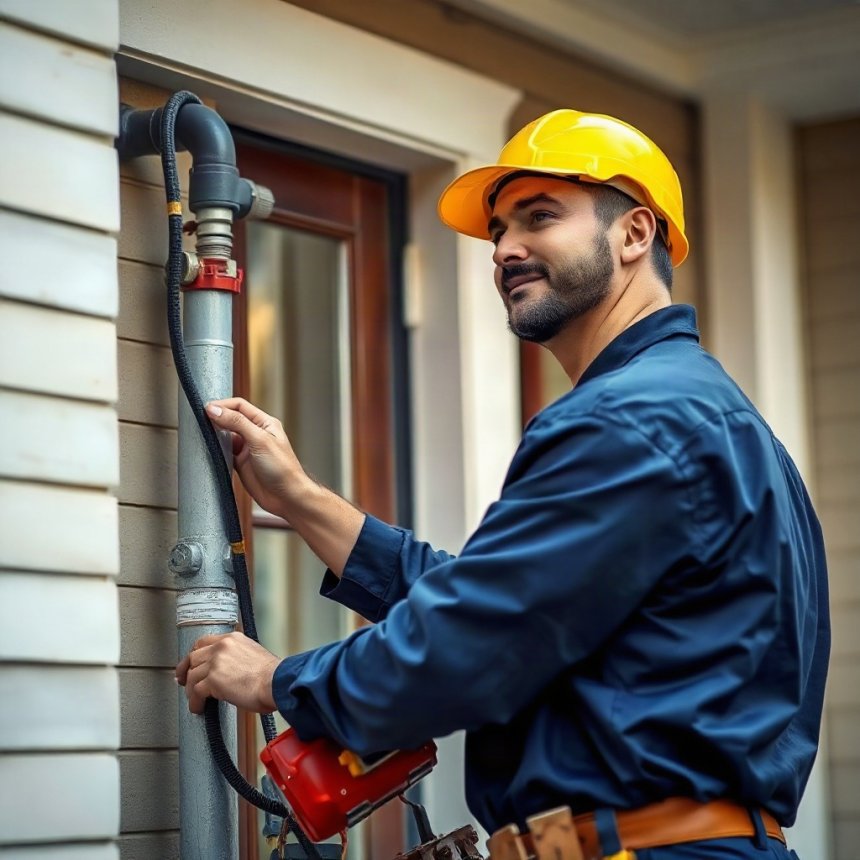
Municipal water mains often deliver water at pressures far higher than residential plumbing systems can safely handle. To protect your pipes and appliances, a Pressure Reducing Valve is installed where the main water line enters your home. When a PRV fails internally—often due to a ruptured internal diaphragm or spring fatigue—it can stick in a restricted position, causing a sudden, dramatic drop in household water pressure.
Main Shutoff Valve Restrictions
The main water shutoff valve, whether located near your property boundary in a meter box or inside your utility room, must be fully open. If a valve is bumped or partially stripped, it can restrict flow to the entire house.
How to Test Your Water Pressure
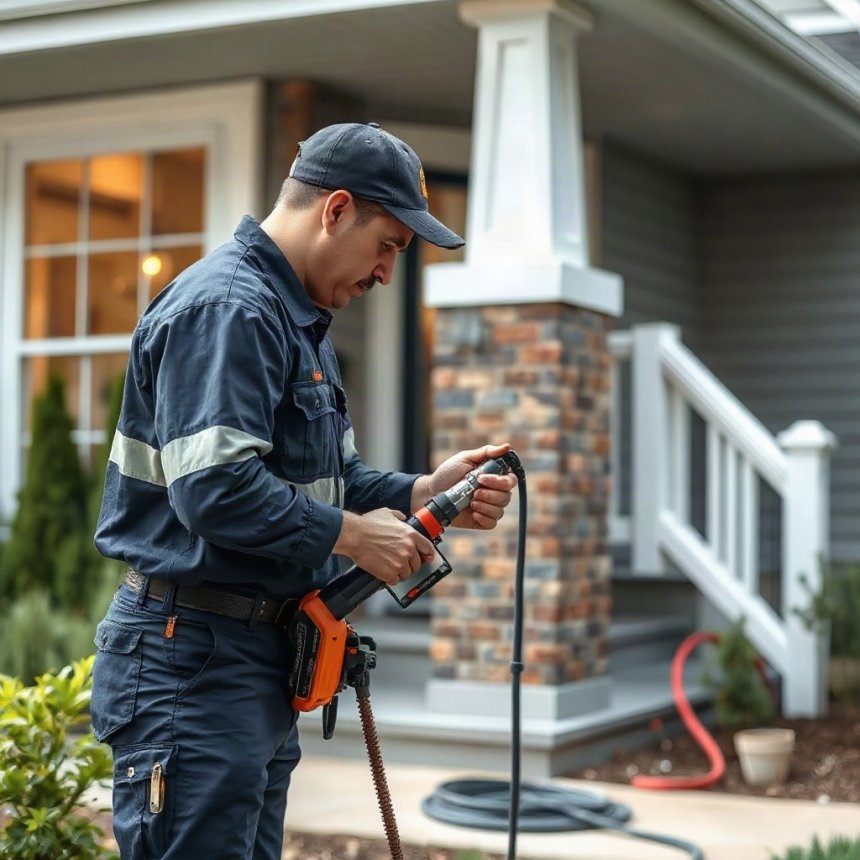
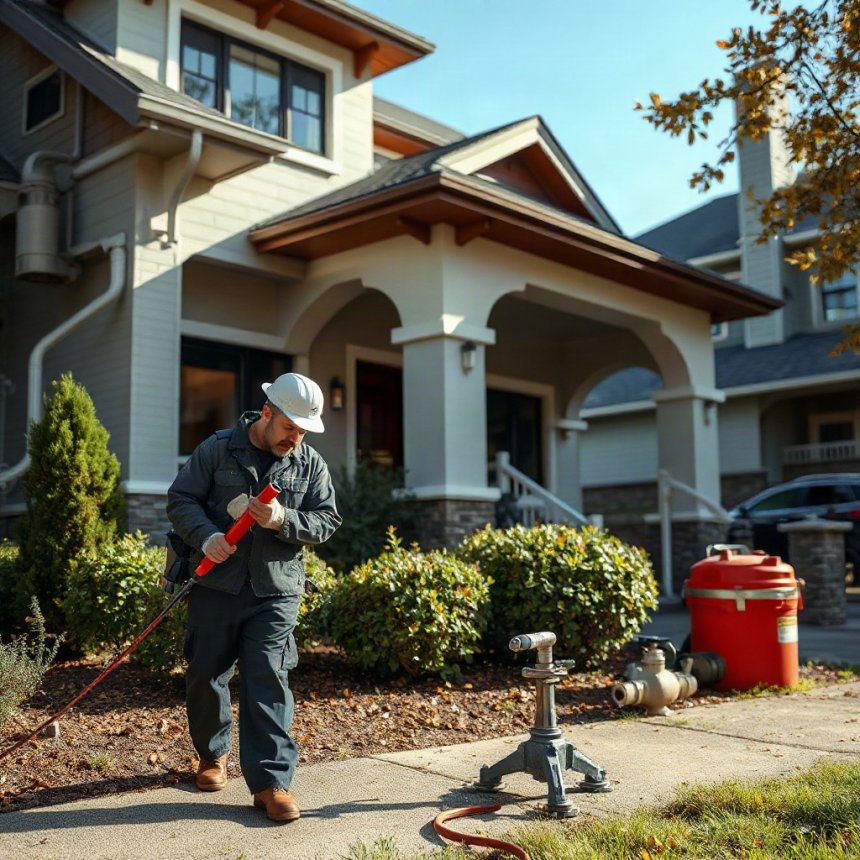
You do not have to guess your home's water pressure. You can attach a simple screw-on water pressure gauge—available at most hardware stores—to an outdoor hose bib or a laundry sink connection. Make sure no water is running anywhere else in the house while you test.
Normal residential water pressure typically falls between 40 and 80 pounds per square inch (psi). If your gauge reads below 40 psi, you likely have a restriction or a failing PRV. If it reads above 80 psi, your system is running dangerously high, which puts unnecessary stress on water heater tanks, flexible supply lines, and fixture cartridges.
What to Check Before Calling a Professional
Before spending money on a service visit, homeowners can safely perform a few basic checks:
- Verify that the main water meter valve and your primary indoor shutoff valve are opened all the way.
- Inspect multiple hot and cold taps to see if the pressure loss affects both temperature lines equally. If only the hot side has low pressure, the restriction is likely near your water heater or its supply inlet.
- Remove and inspect fixture aerators for debris or mineral scale.
If these basic checks do not reveal a clear, easily fixable blockage, or if your pressure gauge indicates a failing PRV or a sudden drop with no apparent external cause, professional diagnostic testing with specialized pressure gauges and flow meters may be necessary to pinpoint the restriction.
Conclusion
Low water pressure is rarely a mystery once you break down the symptoms systematically. By checking whether the issue affects a single fixture or the entire house, inspecting for mineral scale, and verifying valve positions, you can often identify the root cause quickly. Regular maintenance, such as descaling fixtures and monitoring your home's water pressure range, helps protect your plumbing system and ensures reliable flow throughout your property.