How to Tell Whether a Plumbing Problem Is Inside Your Home or Outside
Trying to figure out if a plumbing leak or backup is your responsibility or the city’s? Learn how to pinpoint whether a plumbing issue is inside your home or outside.

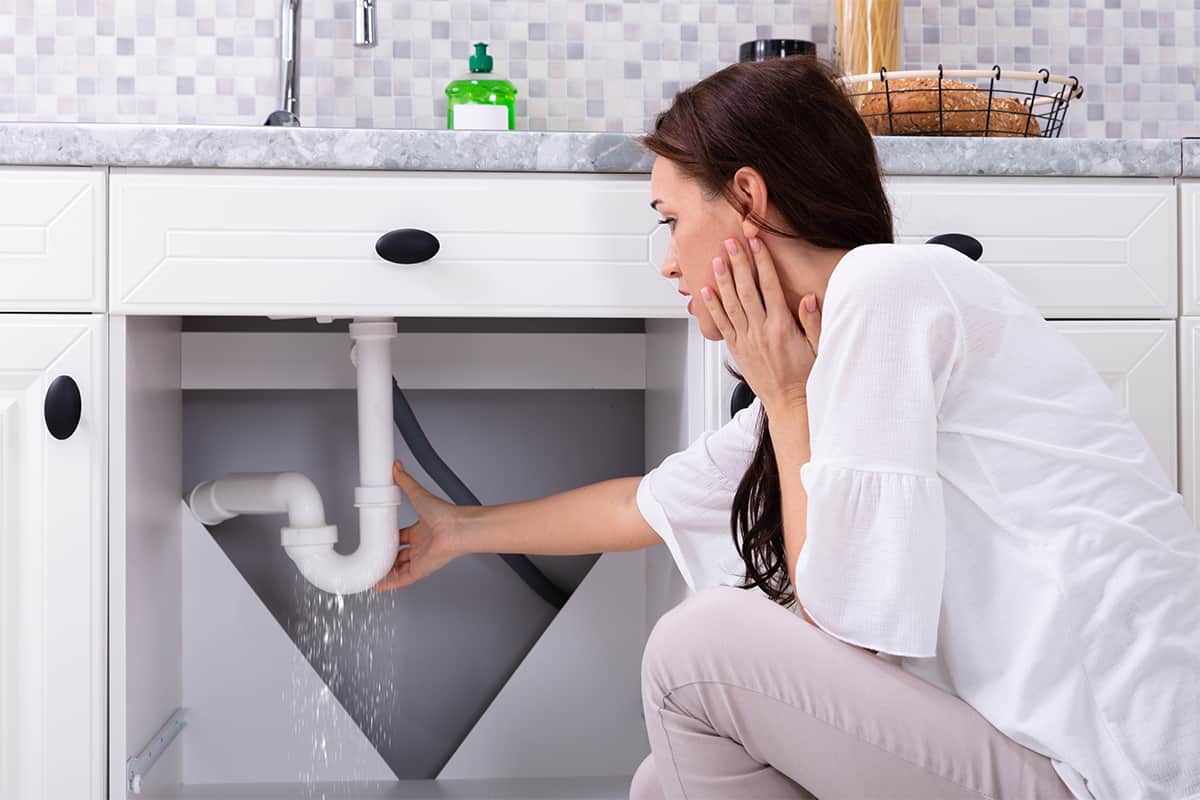
How to Tell Whether a Plumbing Problem Is Inside Your Home or Outside
When water starts backing up into your bathtub or your water bill suddenly skyrockets, one critical question determines what you should do next: Is the issue inside your home, or is it outside in the main utility line?
Determining where the problem originates isn't just about getting the right repairs—it determines who is financially responsible. Generally, homeowners are responsible for all supply and drain lines located within their property boundaries, while local utility companies handle main street lines.
Here is a straightforward guide to diagnosing whether a plumbing emergency is an internal issue or an external supply line problem.
Key Indicator 1: Isolated Fixture vs. Whole-House Symptoms
The quickest way to isolate a plumbing problem is to check how many fixtures are affected.
-
It’s Inside Your Home If: Only a single fixture is acting up. For example, if your kitchen sink drains slowly but your bathroom sink and shower drain perfectly, the clog is localized inside the branch pipe beneath the kitchen sink.
-
It’s Outside (or at the Main Line) If: Multiple fixtures on the lowest level of your home react simultaneously. If flushing the toilet causes water to gurgle up into the bathtub drain, the main sewer line leaving your home (or the city main) is blocked.
Key Indicator 2: Checking Your Water Meter (For Hidden Supply Leaks)
If you suspect a main supply line leak, your water meter is your best diagnostic tool:
Key Indicator 3: Checking the Sewer Cleanout (For Drain Backups)
If wastewater is backing up into your sinks or showers, locate your outdoor sewer cleanout pipe (usually a threaded plastic cap sticking up from the lawn or near the foundation).
-
Remove the Cap Carefully:
-
If the cleanout pipe is dry: The blockage is inside your house plumbing (between your fixtures and the cleanout point).
-
If the cleanout pipe is full of standing water or overflowing: The blockage is outside (between the cleanout pipe and the city sewer main in the street).
-
Who Pays for the Repair?
| Problem Location | Responsible Party |
| Inside the house structure | Homeowner |
| Underground between house and street/meter | Homeowner (Your main lateral line) |
| Past the water meter / Beyond property line in street | City / Municipal Utility Provider |
Summary Checklist
-
Low pressure at one faucet? Internal issue (clogged aerator).
-
Low pressure across the entire house? External issue (main line valve or city pressure drop).
-
Soggy, unusually green patches of grass in your lawn? External underground supply line or sewer lateral leak.
-
Wet drywall or ceiling water spots? Internal pipe joint or supply line leak.
The Bottom Line: By systematically checking multiple fixtures, using your water meter, and inspecting your outdoor cleanout pipe, you can quickly identify whether you need a private plumber or a call to your municipal water provider.