Why Your Water Heater Is Making Rumbling or Popping Noises

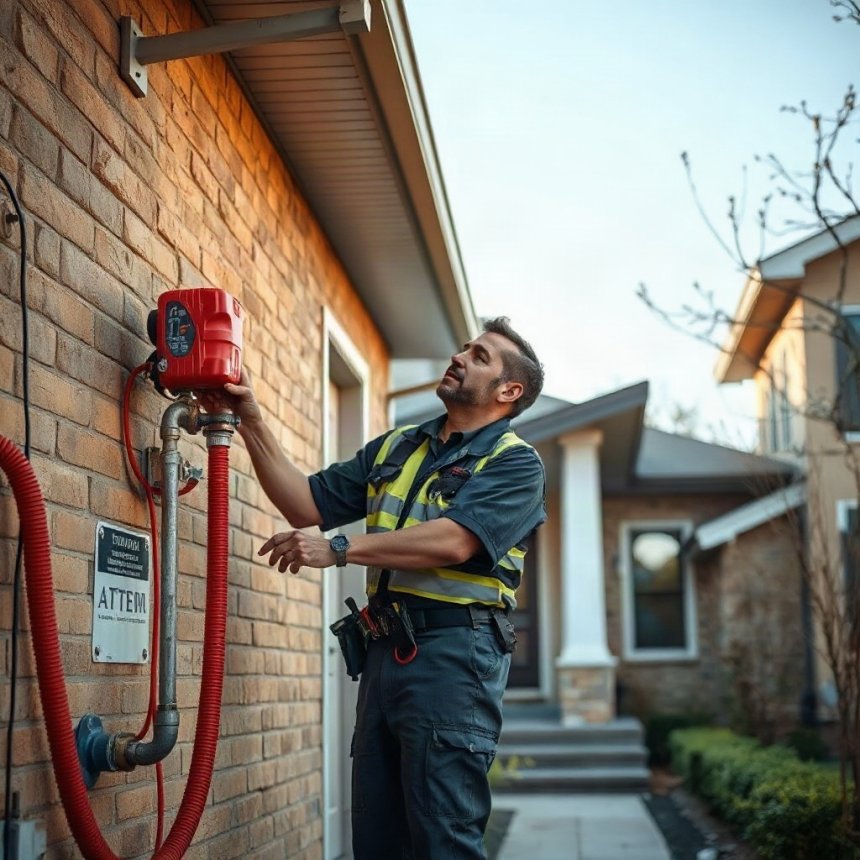
Understanding Water Heater Rumbling and Popping Noises
When a water heater starts emitting a deep rumbling, muffled popping, or sharp banging sound during a heating cycle, it is usually a sign that sediment has accumulated at the bottom of the tank. For homeowners in regions with mineral-rich water like Bullhead City, Arizona, this is a very common issue. The sound itself can be startling, but understanding the physical process behind the noise helps clarify why it requires attention.
Inside a standard gas or electric tank water heater, water sits directly over a burner or heating element. When mineral sediment—primarily calcium and magnesium carbonates precipitated from the water supply—settles at the bottom of the tank, it forms a dense layer over the heat source. Trapped water pockets become superheated beneath this sediment blanket, turning into steam bubbles that rapidly force their way upward through the mineral layer. The resulting bubble collapse and shifting sediment create the characteristic rumbling or popping noises.
Why Sediment Accumulates Faster in Certain Areas
Water hardness varies significantly by region, and municipal or well water supplies carrying high levels of dissolved minerals leave solid deposits behind every time water is heated. As incoming cold water enters the tank and is brought up to temperature, these minerals drop out of suspension and sink. Because the lower portion of a tank water heater is the primary heating zone, sediment naturally collects directly above the heat source.
In homes with hard water, neglecting this buildup allows the sediment layer to thicken over time. A heavy layer of sediment does more than just create noise; it acts as an insulating barrier between the burner and the water. This forces the heating element or gas burner to work harder and run longer to achieve the same water temperature, which increases energy consumption and subjects the tank bottom to extreme localized thermal stress.
Distinguishing Normal Operation from Serious Trouble
Not every sound coming from a water heater indicates a mechanical failure or an emergency. Differentiating between normal operating sounds and warning signs of potential damage helps determine the right course of action:
- Normal Sounds: Faint ticking or clicking sounds as metal parts expand and contract during a heating cycle, or a very brief hiss if condensation drips onto a gas burner.
- Sediment Noise: Dull rumbles, rhythmic popping, or sharp snapping sounds that occur specifically while the water heater is actively firing or drawing power.
- Troubling Signs: High-pitched squealing, continuous banging, or rumbling that persists long after the heating cycle ends, which may point to severe scale accumulation or component distress.
Safe Maintenance: Flushing the Tank
The standard preventative and corrective maintenance procedure for a noisy, sediment-filled water heater is flushing the tank. While routine flushing can clear out loose minerals, a tank that has been neglected for many years may have hardened sediment that cannot be removed through a standard drain valve.
Homeowners comfortable with basic home maintenance can perform a standard flush by following safe procedures:
- Turn off the power supply to an electric water heater at the circuit breaker, or switch the gas control valve to the "Pilot" or "Off" position. Never run a water heater with an empty or partially filled tank.
- Connect a standard garden hose to the drain valve located near the bottom of the tank, directing the other end to a safe floor drain or outdoors.
- Shut off the cold water supply valve at the top of the water heater.
- Open a nearby hot water faucet inside the home to allow air into the system, then open the tank drain valve to let the water and loose sediment flow out.
- Briefly open and close the cold water supply valve in short bursts to stir up remaining sediment at the bottom of the tank.
- Once the water runs clear and free of debris, close the drain valve, disconnect the hose, refill the tank completely by opening the cold water supply, and ensure all air is purged from the plumbing lines before turning the power or gas back on.
Risks of Delaying Maintenance
Ignoring a rumbling water heater rarely results in an immediate catastrophic flood, but it does lead to chronic inefficiency and accelerated wear. As sediment traps heat against the bottom of the tank, the steel floor experiences thermal stress far beyond its design parameters. Over time, this localized overheating can weaken the glass lining inside the tank, cause micro-fractures, or cause the drain valve seals to degrade and leak. Furthermore, a heavily scaled tank takes significantly longer to heat water, leading to a noticeable drop in daily hot water capacity and higher utility bills.
When Replacement Becomes Necessary
Flushing is effective when sediment is loose and granular, but it has limitations. If a water heater is more than 10 to 12 years old and has never been flushed, the sediment at the bottom may have calcified into a solid, concrete-like slab. Attempting to force water out of a completely calcified drain valve can break the valve off or ruin the threads, creating an active leak. If flushing fails to eliminate the rumbling noise, or if the tank shows signs of external rusting and weeping around the seams, replacement is usually the most practical long-term solution.
Practical Takeaways for Homeowners
Rumbling water heaters are primarily communicating one message: mineral buildup requires removal. Incorporating an annual tank flush into your home maintenance routine helps prevent heavy scale accumulation, protects tank integrity, and maintains energy efficiency. If you choose to flush the tank yourself, always prioritize safety by disconnecting the power or gas first and ensuring the tank is fully refilled before reigniting or re-energizing the unit.